Updated October 26, 2026 · 9 min read
We earn a commission when you buy through our links, at no extra cost to you. How this works.
Short on time? Our picks
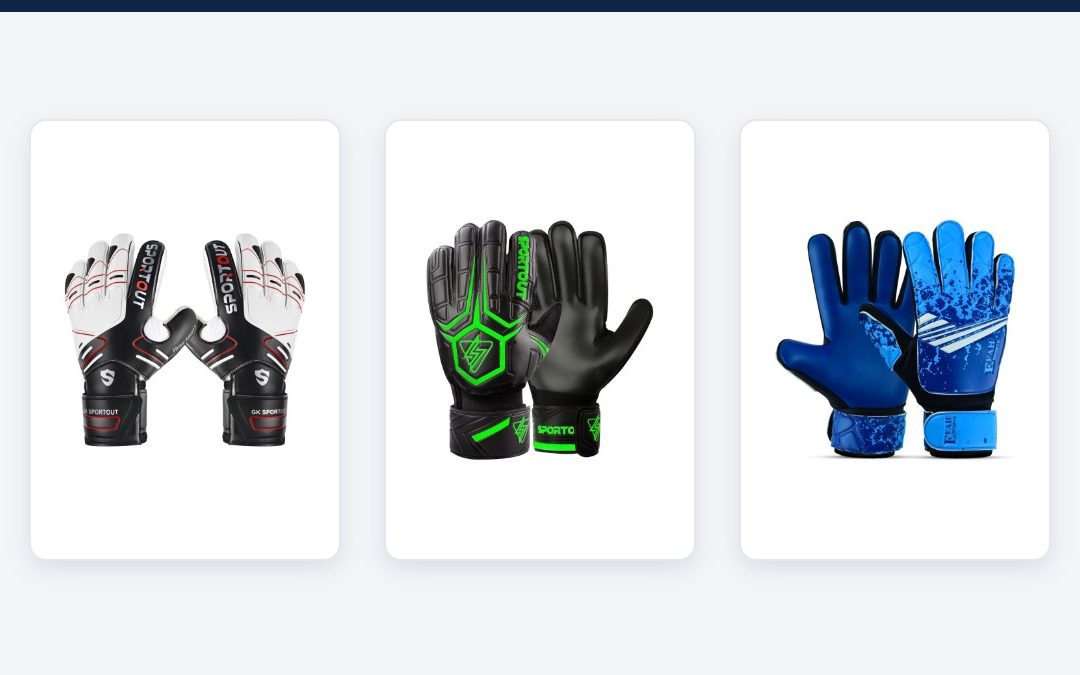
 Best overallSportout gloves with finger protection4.4★, 5,500+ ratingsCheck price on Amazon →
 Best finger protection for kidsSportout 4mm latex glovessized for kidsCheck price on Amazon →
Goalkeeper gloves · 2026
The best goalkeeper gloves for kids
Good goalie gloves help young keepers catch more balls and protect their fingers from hard shots. For kids, the right size and a soft, grippy latex palm matter much more than an expensive pro model.
We compared the best-reviewed kids’ goalkeeper gloves on Amazon on grip, finger protection, fit, durability and what thousands of parents say. Below is one clear pick for each kind of keeper, plus a size guide by age.
Quick answer: the best goalkeeper gloves for kids
- Best overallSportout gloves with finger protection · 4.4★, 5,500+ ratings
- Best finger protection for kidsSportout 4mm latex gloves · sized for kids
- Best budgetEFAH kids goalie gloves · 4.5★, 8,900+ ratings
- Alternative budget pickJalunth youth gloves · embossed latex palm
If you want one answer: buy the Sportout goalkeeper gloves. They have a 4+3mm latex palm for grip, built-in finger protection that helps stop fingers bending backwards, and a double wrist strap. Parents praise their value, fit, grip and comfort. For a younger child just trying goal, the EFAH kids gloves cost much less.
Pick by keeper
Sportout finger protection
Your child plays in goal most games. Thick latex for grip and stiff finger supports against hard shots.
Sportout 4mm latex
A younger keeper who wants finger protection in a smaller size. 4mm latex palms and a double wristband.

EFAH kids gloves
Your child takes turns in goal or is just starting. Light, breathable and inexpensive, with a hook-and-loop wrist strap.
The best goalkeeper gloves for kids, reviewed
Sportout Goalkeeper Gloves with Finger Protection
You need this if: your child plays in goal regularly and faces hard shots.
- Palm4+3mm latex
- FingersFinger-save supports
- WristDouble strap
- SizesYouth and adult
Why we recommend it: It is the most-reviewed finger-protection glove we found, with more than 5,500 ratings. Parents mention value, fit, grip and comfort most. The finger supports help prevent hyper-extended fingers, a common keeper injury, and the double wristband keeps the glove secure on dives.
Keep in mind: Durability is the most mixed topic in reviews, which is normal for soft latex. Latex palms wear faster on artificial turf, so keep a second pair for training.
Sportout 4mm Latex Goalie Gloves
You need this if: you want finger protection in sizes made for younger kids.
- Palm4mm latex
- FingersFinger protection system
- WristDouble wristband
- SizesKid, youth and adult
Why we recommend it: It brings the same finger protection idea to smaller sizes, with a cushioned, breathable design. Parents praise the fit, look and cushioning, and it has 4.5 stars from more than 1,600 buyers.
Keep in mind: Grip and durability are mixed in reviews. Wash the palms gently and do not wear them on concrete.
EFAH Kids Goalkeeper Gloves
You need this if: your child is new to goal or rotates in, and you do not want to spend much.
- PriceAbout $13
- WristHook-and-loop strap
- FabricBreathable stretch mesh
- Ratings4.5★, 8,900+
Why we recommend it: It is the most-reviewed kids’ goalie glove on Amazon. Parents praise the value, function and colors. The breathable back keeps hands cool and the wrist strap adjusts for a good fit on small hands.
Keep in mind: There are no finger supports, and fit and durability are mixed in reviews. Size 5 is listed for about ages 9 to 12, so check the chart.
Alternative: the Jalunth youth goalie gloves are another budget option, with an embossed anti-slip latex palm and 4.4 stars from nearly 4,000 buyers. Buy one or the other, not both.
Kids goalkeeper gloves compared
| Glove | Best for | Finger protection | Rating |
|---|---|---|---|
| Sportout | Regular keepers | Yes | 4.4★ (5,500+) |
| Sportout 4mm | Younger keepers | Yes | 4.5★ (1,600+) |
| EFAH | Budget | No | 4.5★ (8,900+) |
| Jalunth | Budget alternative | No | 4.4★ (3,900+) |
Ratings were checked on Amazon in October 2026. Prices vary by size and color.
Goalkeeper glove size guide for kids
Sizes differ between brands. For example, one budget brand lists size 5 for about ages 9 to 12, while another lists size 6 for about 7 to 8. Always use the chart on the listing. As a rough starting point:
| Age (about) | Typical glove size |
|---|---|
| 5 to 7 | Size 4 |
| 7 to 9 | Size 5 |
| 9 to 11 | Size 6 |
| 11 to 13 | Size 7 |
| Teens and adults | Size 8 to 10 |
How to measure: measure around the widest part of the palm, below the knuckles, or from the wrist crease to the tip of the middle finger, then match the brand’s chart. The glove should leave about a quarter inch of space past the fingertips.
 ▶ How To Size Youth Goalkeeper Gloves
Keeperstop shows how to measure a child’s hand and check goalkeeper glove fit. The video loads from YouTube only when you press play.
Do kids need finger protection goalie gloves?
For kids who play in goal often, finger protection is worth it. The stiff supports stop fingers bending backwards when a shot hits the fingertips. For very young kids or occasional keepers, a simple glove is fine, because shots are slower. If your child has had a finger injury, choose finger protection.
What to look for in kids goalkeeper gloves
Latex palm
Latex is what makes goalie gloves grip. Thicker, softer latex grips better but wears faster. Kids’ gloves usually use 3 to 4mm.
Fit
Too big and the glove slides and catches on the ball. Too small and it squeezes the fingers. Leave a little space at the fingertips.
Wrist strap
A wide or double hook-and-loop strap keeps the glove on during dives and supports the wrist.
Cut
Most kids’ gloves use a flat or roll-finger cut. Roll-finger gloves give more latex contact. For kids, comfort matters more than cut.
How to care for goalkeeper gloves
- Rinse the palms in lukewarm water after games, without harsh soap.
- Let them air-dry away from heaters and sun.
- Dampen the palms slightly before play to improve grip.
- Keep a cheaper pair for training on artificial turf and concrete.
Training gloves vs match gloves
Many keepers own two pairs. Match gloves have the softest, grippiest latex and are saved for games. Training gloves have tougher latex that lasts longer on artificial turf and in drills. For young kids, one good pair is enough. Once your child plays in goal every week, a cheap second pair like the EFAH gloves for practice makes the better pair last much longer.
Basic catching tips for young keepers
- The W shape: for shots at chest height or above, put the thumbs and index fingers close together behind the ball, making a W.
- The basket catch: for low shots at the stomach, scoop the ball into the chest with both arms.
- Get behind the ball: move the body in line with the shot, so if the hands miss, the body still stops it.
- Ready position: feet shoulder-width apart, knees bent, weight on the balls of the feet and hands out in front.
- Watch the ball into the hands: keep the eyes on the ball until it is caught.
Goalkeeper gloves for girls
Goalkeeper gloves are unisex. Girls often have slimmer hands, so they may fit a size down from boys of the same age. Measure the hand, compare it with the brand’s chart and choose the color your child likes, since a keeper who loves her gloves will want to wear them.
What else does a young goalkeeper need?
- A different-colored jersey: keepers wear a color that stands out from both teams.
- Padded shorts or pants: helpful on hard or dry fields where diving hurts.
- Shin guards: still required in most leagues. See shin guards for kids.
- A water bottle: keepers stand still for long periods and forget to drink.
Goalkeeper gloves for a 7, 10 or 11 year old
A 7-year-old usually starts around size 4 or 5, a 10-year-old around size 5 or 6, and an 11-year-old around size 6 or 7. Kids who play in goal every game at 10 or 11 benefit from finger protection like the Sportout gloves. Always measure, because hand sizes vary a lot at the same age.
Complete the kit with shin guards for kids and youth soccer cleats. Looking for a gift? See gifts for soccer players.
Youth goalkeeper glove size chart by age
The best goalie gloves for kids are the ones that fit. A glove that is too big makes catching harder, and one that is too small wears out fast. Use this chart as a starting point, then check with a hand measurement.
| Glove size | Usual age | Hand width (palm, no thumb) |
|---|---|---|
| 4 | 5 to 7 | about 2.4 to 2.6 in |
| 5 | 7 to 9 | about 2.6 to 2.8 in |
| 6 | 9 to 11 | about 2.8 to 3.0 in |
| 7 | 11 to 13 | about 3.0 to 3.2 in |
| 8 | 13 and up (small adult) | about 3.2 to 3.4 in |
Sizes vary by brand, so always check the chart in the listing. If your child is between sizes, pick the larger one. Leave about a finger’s width of space at the fingertips.
Best goalie gloves for kids by age
- Ages 5 to 7: a cheap, soft training glove like the kids goalkeeper gloves set. Young keepers grow out of gloves fast and are still learning to catch.
- Ages 8 to 11: a glove with finger protection, like the Sportout goalkeeper gloves. Finger spines help stop bent fingers as shots get harder.
- Ages 12 and up: a glove with a thicker latex palm for grip, like the Sportout 4mm latex gloves. Keep a second, older pair for training.
Youth goalkeeper gloves with finger protection: worth it?
For most kids from about age 8 up, yes. Finger protection uses stiff plastic spines in the back of the fingers. They bend forward to catch, but not backward, which helps protect against jammed fingers. Some keepers find them a little stiff at first. Very young kids who only play for fun can start without them.
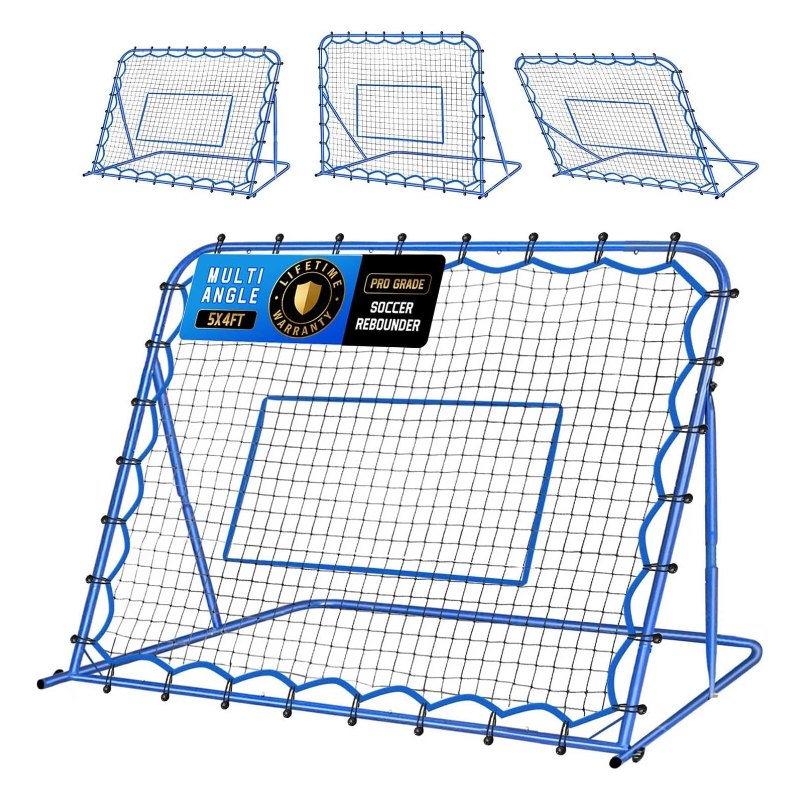
Practise at home with a soccer rebounder, and check the right ball with our ball size by age tool.
Size guide: Check the right ball for your keeper with our soccer ball size by age chart.
Got questions?
Frequently asked questions
What are the best goalkeeper gloves for kids?
For regular keepers, the Sportout gloves with finger protection. For beginners, the EFAH kids gloves are a cheap, well-reviewed start.
What size goalkeeper gloves does my child need?
Roughly size 4 for ages 5 to 7, 5 for 7 to 9, 6 for 9 to 11 and 7 for 11 to 13. Brands differ, so measure and use the listing’s chart.
Do kids need goalie gloves with finger protection?
It helps kids who play in goal often or face hard shots. Occasional keepers can use simple gloves.
What goalkeeper gloves are best for a 10 year old?
Usually size 5 or 6. If they play in goal every game, choose gloves with finger protection.
How tight should goalkeeper gloves fit?
Snug at the wrist with about a quarter inch of space past the fingertips.
How do I make goalie gloves grip better?
Rinse them after use, air-dry them and dampen the palms slightly before playing.
Why do goalkeeper gloves wear out so fast?
Soft latex grips best but wears quickly, especially on artificial turf. Use an older pair for training.
Can kids use adult goalkeeper gloves?
Only if they fit. Too-big gloves slip and make catching harder.
What are the best goalkeeper gloves for kids?
For most young keepers, the Sportout goalkeeper gloves with finger protection. They come in youth sizes and have a strong grip.
What size goalkeeper gloves for a 10 year old?
Usually size 6. Measure hand width and check the brand’s chart. Pick the bigger size if your child is in between.
What are the best youth goalkeeper gloves for grip?
Gloves with a thicker latex palm, like the Sportout 4mm latex gloves. Dampen the palms before play for the best grip.
How we chose
We compared the best-selling and best-reviewed kids’ goalkeeper gloves on Amazon in October 2026. We looked at latex, finger protection, wrist support, sizes and price, and read Amazon’s review topics and verified buyer reviews to see what parents praise and complain about. We picked one glove for each kind of keeper. We have not tested these gloves in person, no brand paid for placement, and prices change often. Read our full method.

We research sports gear for players, coaches and sports parents. We compare specs, read verified buyer reviews and name one clear pick for each kind of player. How we pick · Affiliate disclosure