Updated October 26, 2026 · 8 min read
We earn a commission when you buy through our links, at no extra cost to you. How this works.
Short on time? Our picks
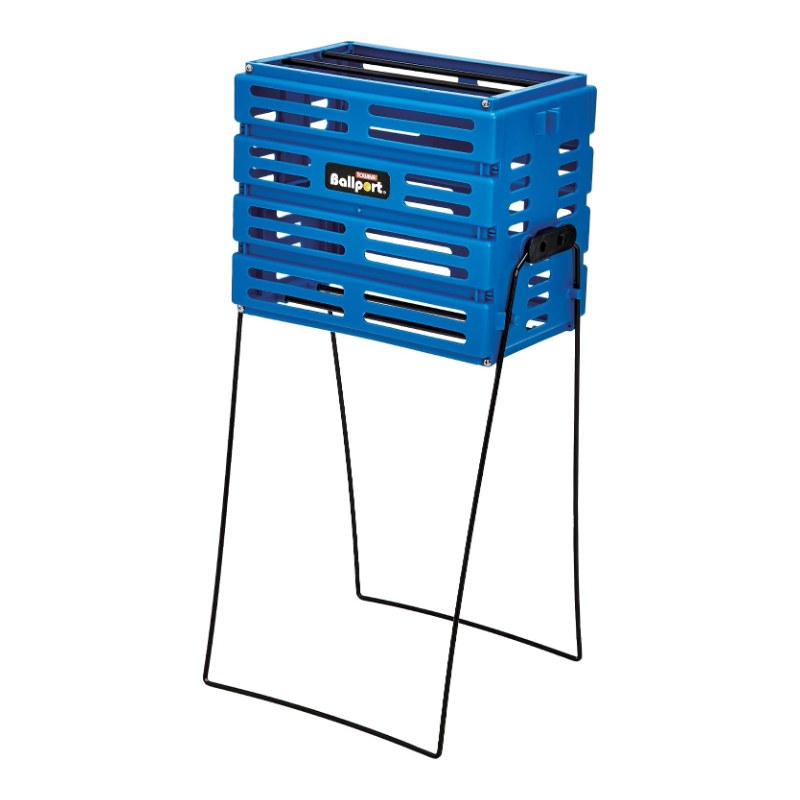 Best overallTourna Ballport, 80 Balls4.5★, 1,900+ ratingsCheck price on Amazon →
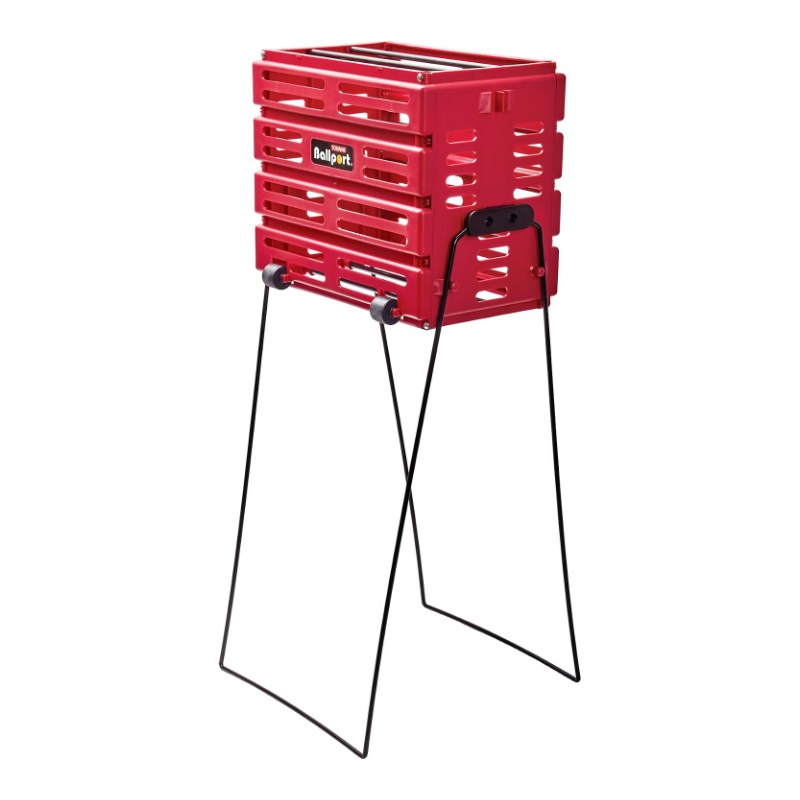 Best with wheelsTourna Ballport Deluxe with Wheelsroll it to the baselineCheck price on Amazon →
Anyone who practices serves or feeds balls to a student knows the truth: you spend almost as much time picking up balls as hitting them. Bending down for 80 tennis balls, one at a time, is slow and hard on the back. A ball hopper fixes that. You press it over the balls, they pop inside, and the hopper doubles as a stand so balls sit at waist height while you practice.
This guide picks the best tennis ball hoppers: a light, rust-proof hopper, a hopper with wheels and a large ball cart for coaches. We also explain hoppers vs baskets vs pickup tubes, how many balls you need and simple drills that make a hopper of balls really count.
Best overall
Tourna Ballport Tennis Ball Hopper
A light, 80-ball hopper made of heavy-duty polypropylene, so there are no wires to rust, no paint to peel and no welds to break.
With more than 1,900 ratings, buyers praise the easy assembly, value, light weight and how well it picks up balls.
Quick answer: the best tennis ball hoppers
- Best overallTourna Ballport, 80 Balls · 4.5★, 1,900+ ratings
- Best with wheelsTourna Ballport Deluxe with Wheels · roll it to the baseline
- Best for coachesYooKoo Tennis Ball Cart, 150 Balls · lockable wheels
Pick by how you practice
Tourna Ballport
Light and simple. Carry it to the court, practice serves, pick up and repeat.
Tourna Ballport Deluxe with Wheels
Roll the hopper around instead of carrying it, handy for longer sessions.

YooKoo Tennis Ball Cart
Holds 150 balls at a comfortable feeding height for lessons and drills.
The best tennis ball hoppers, reviewed
Tourna Ballport Tennis Ball Hopper
You need this if: you practice serves or drills on your own and want a light, rust-proof hopper.
- Capacity80 balls
- WeightAbout 4 lb
- MaterialHeavy-duty polypropylene
- Rating4.5★ (1,900+ ratings)
Why we recommend it: Tourna says it weighs up to 50% less than similar hoppers, and because it is plastic, it will not rust, peel or break at the welds like wire hoppers. Buyers praise the easy assembly, value, light weight and ball pickup.
Keep in mind: Reviews on stability and long-term durability are mixed: the light weight means it can tip over in wind or when bumped. Do not overfill it.
Tourna Ballport Deluxe Tennis Ball Hopper with Wheels
You need this if: you want to roll the hopper around the court instead of carrying it.
- DesignBallport with wheels
- MaterialPlastic, rust-free
- BrandTourna
- Rating4.4★ (700+ ratings)
Why we recommend it: The same rust-proof Ballport design with wheels, so moving a full hopper from the baseline to the service line is easy. Buyers mention its quality, functionality and value.
Keep in mind: Some buyers mention assembly difficulties and mixed durability, and a few say the wheels do not roll as smoothly as hoped.
YooKoo Tennis Ball Cart, 150 Balls
You need this if: you coach, feed balls to students or run group drills with lots of balls.
- Capacity150 balls
- Height35 in standing height
- WheelsUniversal, two lockable
- Rating4.5★ (120+ ratings)
Why we recommend it: A large-capacity cart that holds balls at a comfortable height for feeding, with wheels to move it and locks to keep it in place. Buyers mention quality, easy assembly and mobility.
Keep in mind: It does not pick up balls itself like a hopper; you still need a hopper or tube to collect. It has fewer reviews than the Tourna hoppers.
Comparison table
| Product | Capacity | Picks up balls? | Rating |
|---|---|---|---|
| Tourna Ballport | 80 balls | Yes | 4.5★ (1,900+) |
| Ballport Deluxe | Hopper with wheels | Yes | 4.4★ (700+) |
| YooKoo cart | 150 balls | No, cart only | 4.5★ (120+) |
One to avoid: not every hopper from a big brand is well rated. Some popular wire hoppers on Amazon have low average ratings, with complaints about bending and balls falling out. Always check the rating and recent reviews before you buy.
Hopper vs basket vs pickup tube vs cart
| Type | How it works | Best for |
|---|---|---|
| Hopper | Press it over balls to pick them up; legs fold out to make a stand | Solo practice, serving |
| Basket | Simple container, often with a handle; some pick up balls too | Storage, casual use |
| Pickup tube | Press the tube over a ball; holds about 15 balls | Small numbers of balls, pickleball |
| Ball cart | Large container on wheels at feeding height | Coaches and group lessons |
 ▶ Best Tennis Ball Hopper
A look at how a tennis ball hopper picks up and holds balls. The video loads from YouTube only when you press play.
How many tennis balls do you need for practice?
For serve practice, 30 to 60 balls is a good number: enough for a real session without constant pickups. Coaches often use 100 or more. Older balls are perfect for practice, but replace them when they go flat, because dead balls change your timing. If you need new balls, see our guide to the best tennis balls.
Serve practice with a hopper
- Set the hopper up as a stand next to you at the baseline.
- Place a target in the service box, such as a cone, towel or empty ball can.
- Serve 10 balls to the T, 10 out wide, and 10 into the body.
- Track how many land in and how many hit the target.
- Pick up with the hopper and repeat from the other side.
Drills for coaches and parents
- Forehand and backhand feeds: feed 10 balls to each side, then mix.
- Approach and volley: feed a short ball, then a volley, then an overhead.
- Movement drill: feed wide, then short, then deep, so the player moves in every direction.
- Target practice: place cones in the corners and count hits.
A 45-minute solo practice session
- Warm-up (5 min): light jog, dynamic stretches and shadow swings.
- Wall rally (10 min): if your courts have a practice wall, rally forehands and backhands.
- First serves (10 min): one full hopper, alternating deuce and ad side, aiming at targets.
- Second serves (10 min): another hopper, focusing on spin and safety over the net.
- Overheads and drop feeds (5 min): toss balls to yourself and hit overheads or groundstrokes.
- Cool-down (5 min): pick up, stretch and note how many serves landed in.
Keeping a simple log of your serve percentage week by week is one of the best ways to stay motivated and see real progress.
Ball machine or hopper?
A ball machine feeds balls to you, so you can practice groundstrokes and volleys without a partner. It is a big investment, often hundreds to thousands of dollars, and you still need a way to collect balls. A hopper is cheap and essential either way: you need it to pick up balls for serving practice and to refill a ball machine. Start with a hopper, and consider a ball machine later if you train a lot alone.
When are practice balls too old?
Practice balls lose pressure over time. When a ball feels soft, bounces noticeably lower than a new ball, or the felt is bald, it is time to retire it from serious practice. Dead balls change your timing and can put extra strain on your arm. Old balls still make good dog toys, or can be donated to schools and clubs for beginner drills.
Hoppers for schools, clubs and camps
Groups use a lot of balls and need fast pickup. Several light hoppers, one per court, let players collect balls quickly between drills. A ball cart like the YooKoo at the coach’s position keeps feeding smooth. Plastic hoppers are popular with schools because they do not rust when left near the courts.
Can you use a tennis ball hopper for pickleball?
Many tennis hoppers are designed for the size of a tennis ball. Pickleballs are slightly larger and harder, so some tennis hoppers struggle to pick them up. If you play both sports, check that the hopper is listed for pickleballs, or use a pickup tube made for pickleball. For balls, see the best outdoor pickleballs.
How to choose a tennis ball hopper
- Capacity: 70 to 90 balls suits most players; coaches may want more.
- Material: plastic hoppers do not rust; wire hoppers are sturdier but can bend and rust.
- Weight: light hoppers are easy to carry but can tip; heavier ones are steadier.
- Wheels: useful for big hoppers and long sessions.
- Stand height: a taller stand means less bending between serves.
Protecting your back during practice
Bending over hundreds of times in a session is hard on the lower back, especially for older players and coaches. A hopper that picks up balls from standing, set up as a waist-high stand while you serve, removes most of that bending. Tall coaching carts help even more. Warm up before practice, bend at the knees when you do need to reach down, and take breaks during long sessions.
Tennis ball hopper as a gift
A hopper is a practical gift for any tennis player who practices on their own, and a favorite for coaches. Pair it with a can of practice balls or an overgrip pack; see our guide to the best tennis overgrips. For players just starting out, see the best tennis rackets for beginners.
Caring for your hopper
- Do not leave it out in the rain or in strong sun for long periods.
- Do not overfill it; extra weight strains the legs and handle.
- Store it indoors over the winter.
Got questions?
Frequently asked questions
What is the best tennis ball hopper?
The Tourna Ballport is our top pick for most players. It holds 80 balls, weighs about 4 pounds and is made of rust-proof plastic.
How many balls does a tennis ball hopper hold?
Most hold 70 to 90 balls. Coaching carts can hold 150 or more.
Is a hopper or a basket better?
A hopper picks up balls and doubles as a stand, so it is better for practice. A simple basket is fine for storage.
Can I use a tennis hopper for pickleballs?
Some work, but many tennis hoppers struggle with the larger pickleball size. Check the listing or use a pickleball pickup tube.
Are plastic or wire hoppers better?
Plastic hoppers do not rust and are lighter. Wire hoppers can be sturdier but may bend or rust over time.
How many tennis balls do I need to practice serves?
About 30 to 60 balls is a good amount for a serve session.
Do tennis ball carts pick up balls?
Most carts do not. They hold balls at feeding height, and you collect with a hopper or tube.
Why does my hopper tip over?
Light hoppers can tip in wind or when bumped. Set it on flat ground, do not overfill it and keep it out of the way of play.
How we chose
We researched tennis ball hoppers and carts on Amazon in October 2026 and compared ratings, the number of reviews, capacity, material and what buyers say about pickup, stability and durability. We left out hoppers with low ratings. Prices change often, so check the current listing before you buy.

We research sports gear for players, coaches and sports parents. We compare specs, read verified buyer reviews and name one clear pick for each kind of player. How we pick · Affiliate disclosure