Updated October 29, 2026 · 7 min read
We earn a commission when you buy through our links, at no extra cost to you. How this works.
Short on time?
 Reviewed hereThe best everyday tennis ball for most players4.8★ · 15,410 ratings on AmazonCheck price on Amazon →
4.8★ · 15,410 ratings
The best everyday tennis ball for most players
Wilson Championship tennis balls are the number one best seller in Amazon’s tennis balls list, with more than 15,000 ratings and a 4.8★ average. They are USTA and ITF approved and use Wilson’s Dura-Weave felt.
This review explains what you get, what buyers like (and the one mixed point), and how they compare with Penn Championship and Wilson’s own US Open ball.
The short answer
Our verdict: the best value pressurized ball for recreational and club tennis.
It bounces well, lasts well for its price and is approved for tournament play. Serious players who want the most consistent feel may prefer the US Open ball, but most people don’t need to pay more.
Buy it if
- You play recreational or club tennis
- You play mostly on hard courts (Extra Duty)
- You want an approved ball at a low price
- You need lots of balls for practice or dogs
Skip it if
- You want the premium Grand Slam ball (choose US Open)
- You play mostly on clay (choose Regular Duty)
- You need pressureless balls that never go flat
- You want balls for very young kids (use red/orange/green balls)
What you get
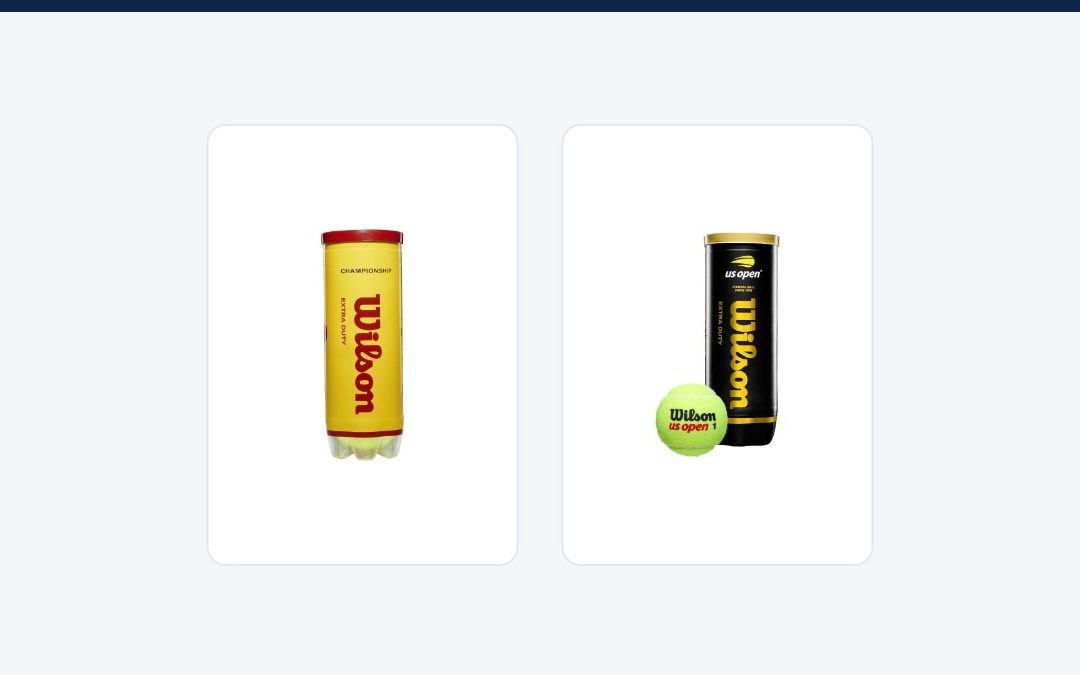
Championship Extra DutyOur review pick. Thicker felt for hard courts. Sold by the can and in bulk.See it on Amazon →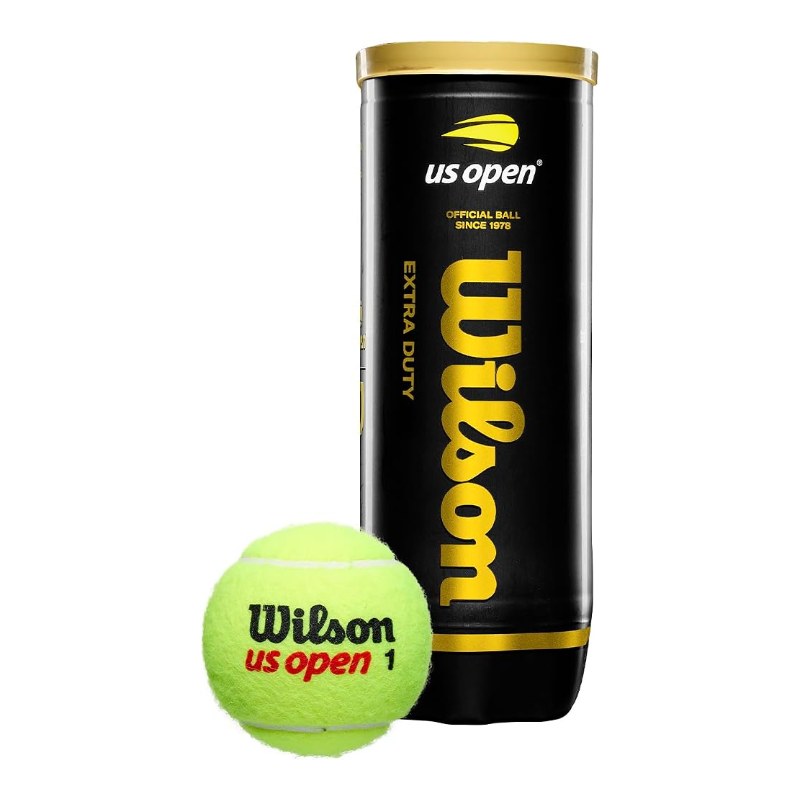 Wilson US Open (step up)4.8★. The official US Open ball, for players who want a premium feel.See it on Amazon →
Championship balls come in Extra Duty (for hard courts) and Regular Duty (for clay and indoor courts). Most US players play on hard courts, so Extra Duty is the default choice.
Key specs
| Spec | Wilson Championship |
|---|---|
| Type | Pressurized |
| Felt | Dura-Weave, Extra Duty |
| Best surface | Hard courts |
| Approval | USTA and ITF approved |
| Pack | Can of 3 (bulk packs available) |
| Amazon rating | 4.8★ (15,410 ratings) |
What 15,410 buyers say: the box score
Amazon groups review mentions by topic. Here is the Wilson Championship box score as of October 2026.
| TOPIC | WHAT BUYERS SAY | MENTIONS |
|---|---|---|
| Value for money | Great price for an approved ball | 214 |
| Pet attraction | Dogs love them | 138 |
| Bounce | Good, lively bounce | 106 |
| Suitability | Fits rec play and practice | 102 |
| Functionality | Work as expected | 101 |
| Durability | Last well for the price | 60 |
| Firmness | Firm, fresh out of the can | 24 |
| Odor | Split: some notice a smell on opening | 20 |
The takeaway: almost every topic is positive. Value, bounce and durability lead, and the only mixed topic is the smell when you open a new can, which fades quickly.
Extra Duty vs Regular Duty
Extra Duty balls have thicker felt that holds up on rough hard courts. Regular Duty balls have thinner felt that won’t fluff up and slow down on clay or indoor courts. If you play on hard courts, which most US public courts are, buy Extra Duty.
How long do they last?
Pressurized balls slowly lose pressure once the can is opened. For casual players, a can often lasts several sessions. For competitive players, balls feel noticeably flatter after one or two hard matches. Many players keep older balls for practice and open new ones for matches.
The dog angle
With 138 mentions about pets, many buyers use these as dog balls. They work, but the felt can wear a dog’s teeth over time with heavy chewing. For dogs, many owners prefer purpose-made dog tennis balls.
Wilson Championship vs the rivals
Wilson Championship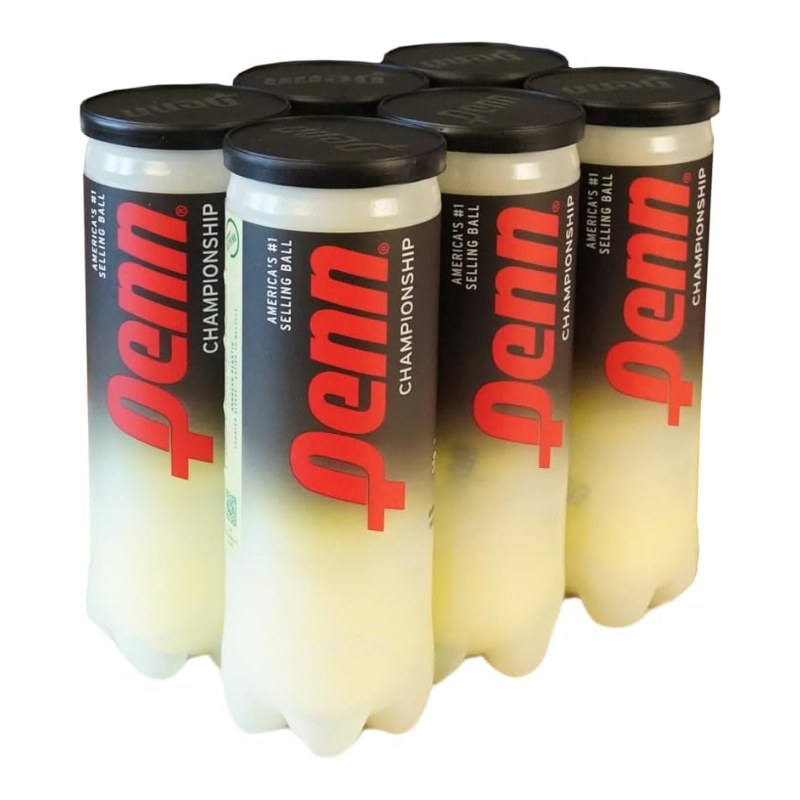 Penn ChampionshipWilson US Open
| Ball | Rating | Best for | Notes |
|---|---|---|---|
| Wilson Championship Extra Duty | 4.8★ (15,410) | Everyday hard-court play | Best seller, best value |
| Penn Championship Extra Duty | 4.7★ (3,732) | Everyday hard-court play | Close rival, similar price |
| Penn Championship Regular Duty | 4.7★ (10,520) | Clay and indoor courts | Thinner felt |
| Wilson US Open | 4.8★ (2,593) | Matches and leagues | Premium, official US Open ball |
Wilson and Penn Championship balls are close. Many players simply buy whichever is cheaper that day. See all options in our best tennis balls guide.
Pros and cons
Pros
- Number one best seller on Amazon
- USTA and ITF approved
- Lively bounce
- Very good value
- Extra Duty felt lasts on hard courts
Cons
- Lose pressure after opening, like all pressurized balls
- Smell when you first open the can
- Not as consistent as premium balls for serious matches
- Not ideal for young kids learning
Who should buy it
Recreational players, beginners, club players and anyone who wants a good approved ball without paying premium prices. Coaches buying in bulk for lessons get great value too.
Who should skip it
League and tournament players who want the most consistent feel should try the US Open ball. Parents of kids under 10 should buy low-compression red, orange or green balls, which bounce lower and slower.
Check the Wilson Championship on Amazon →
Pressurized vs pressureless balls
Championship balls are pressurized: air inside the core is above normal pressure, which gives a lively bounce and good feel. Once the can is opened, that pressure slowly leaks out. Pressureless balls get their bounce from a thicker rubber core, so they never go flat, but they feel heavier and harder on the arm. Pressurized balls are the right choice for playing points and matches. Pressureless balls suit ball machines, practice baskets and players who hit only occasionally.
| Pressurized (Championship) | Pressureless | |
|---|---|---|
| Bounce | Lively, true | Firm, consistent over time |
| Feel | Soft, easy on the arm | Heavier, harder |
| Lifespan once opened | Days to weeks | Months |
| Best for | Points, matches, lessons | Ball machines, practice, casual hitting |
How many balls should you buy?
A single can of three is enough for a casual hit with a friend. If you play two or three times a week, buy a case so you always have a fresh can for matches and can move older balls to practice. Coaches and families who hit lots of serves often use a basket of older balls for practice and keep a sealed can for games.
Tips to make your balls last
- Open a new can only when you need it; sealed cans keep balls fresh.
- Keep balls out of the hot car trunk, which speeds up pressure loss.
- Rotate: new balls for matches, older balls for drills and serves.
- Pick Extra Duty for hard courts; Regular Duty fluffs up and wears fast there.
Tennis balls for kids
Children under about 10 learn faster with low-compression balls that bounce lower and slower. The USTA’s progression uses red balls (ages 8 and under, small courts), orange balls (ages 8 to 10) and green dot balls (ages 9 to 10 and new adult players) before moving to standard yellow balls like the Championship. Using a regular ball too early makes it hard for kids to hit in their strike zone, because the ball bounces over their heads.
Is Wilson the official ball of the US Open?
Yes. Wilson’s US Open ball is the official ball of the US Open, and Wilson also supplies the Australian Open and NCAA tennis, according to the listing. The Championship ball is not the exact tournament ball, but it is made by the same company, approved for official play and costs less, which is why it outsells the premium balls by a wide margin.
Our bottom line
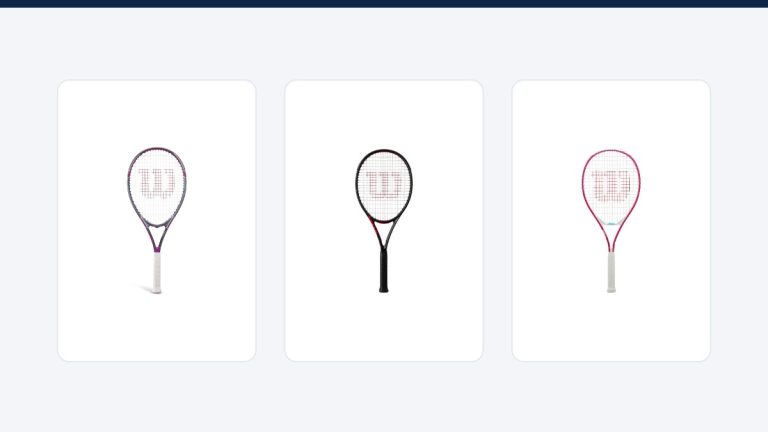
For most players, Wilson Championship Extra Duty balls are the easy choice: approved, lively, well rated and cheap. Buy a can for your next hit, or a case if you play often. Pair them with a good racket from our Wilson tennis rackets ranked list.
Championship balls for beginners
New adult players often wonder if they need special balls. They don’t: Championship balls are a great first ball. If you find the bounce hard to control at first, some beginners start with green dot balls, which are about 25% slower, then switch to Championship balls once rallies get longer. Most adult beginners move to regular balls within a few weeks of lessons.
Championship balls for ball machines and coaching
Coaches often buy Championship balls by the case because they are cheap per ball and approved for match play. For ball machines, many coaches prefer pressureless balls because they stay consistent for months. A common setup is pressureless balls in the machine and Championship balls for live drills and match play.
Where the “smell” comes from
The mixed odor topic (20 mentions) comes from the rubber and the pressurized can. When you open a new can, you get a puff of air with a rubbery smell. It fades within minutes and doesn’t affect play. All pressurized tennis balls do this to some degree.
Got questions?
Frequently asked questions
Are Wilson Championship balls good?
Yes. They are rated 4.8★ by 15,000+ buyers and approved by the USTA and ITF.
What is the difference between Wilson Championship and US Open balls?
US Open balls are Wilson’s premium official Grand Slam ball. Championship balls are the value version for everyday play.
Should I buy Extra Duty or Regular Duty?
Extra Duty for hard courts, Regular Duty for clay and indoor courts.
How long do tennis balls last once opened?
They lose pressure over days to a few weeks, depending on how hard and how often you play.
Are Wilson Championship balls good for dogs?
Many buyers use them for dogs, but heavy chewers can wear their teeth on the felt.
How we reviewed it
We did not test the Wilson Championship ourselves. This review is based on the Amazon listing and specs, the manufacturer’s information, Amazon’s review topic summary and what 15,410 verified buyers say, compared with similar products we cover. Ratings and mention counts are as of October 2026.

We research sports gear for players, coaches and sports parents. We compare specs, read verified buyer reviews and name one clear pick for each kind of player. How we pick · Affiliate disclosure