Updated October 28, 2026 · 9 min read
We earn a commission when you buy through our links, at no extra cost to you. How this works.
Short on time? Our picks
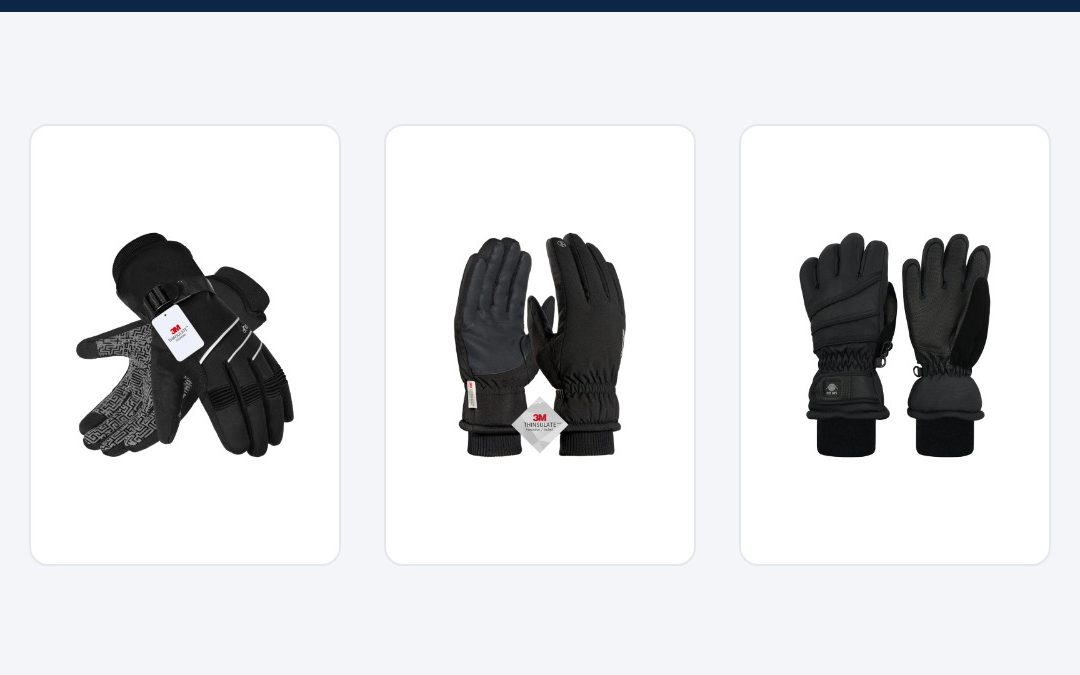
 Best overall3M Thinsulate Waterproof Gloves (-30°F)200g Thinsulate · TPU membraneCheck price on Amazon →
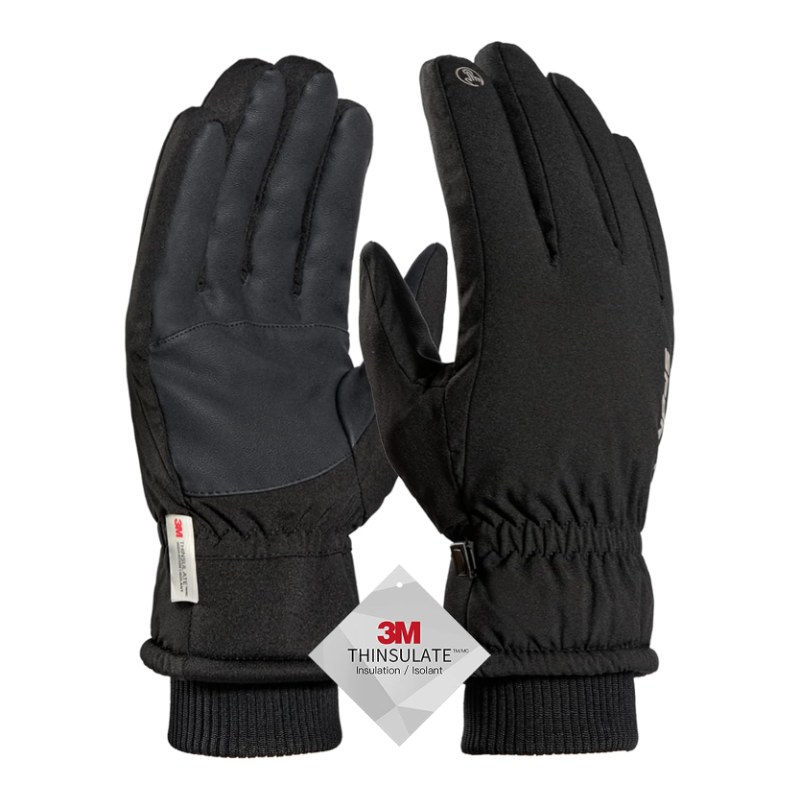 Best valueTRENDOUX Thinsulate Ski Gloves4.5★ · -20°FCheck price on Amazon →
Ski & Snowboard · 2026
The best ski gloves
Cold, wet hands are the fastest way to end a ski day. Good ski gloves need three things: insulation that stays warm when damp, a waterproof layer to keep snow out, and enough grip and dexterity to handle poles, zips and lift passes. You do not need to spend $100 to get that.
We compared the best-selling winter and ski gloves on Amazon on insulation, waterproofing, warmth rating, touchscreen fingers, grip and what tens of thousands of buyers say. Below is one clear pair for each need, from very cold days on the mountain to kids playing in the snow, plus a sizing guide and tips to keep hands warm.
Quick answer: the best ski gloves
- Best overall3M Thinsulate Waterproof Gloves (-30°F) · 200g Thinsulate · TPU membrane
- Best valueTRENDOUX Thinsulate Ski Gloves · 4.5★ · -20°F
- Best lightweightihuan Waterproof Winter Gloves · 12,000+ ratings · not bulky
- Best for kidsKids Waterproof Thinsulate Gloves · 17,000+ ratings
- Best linersSIMARI Touchscreen Glove Liners · 44,000+ ratings
If you want one answer: buy the 3M Thinsulate Waterproof Winter Gloves (-30°F). They pack 200 grams of 3M Thinsulate insulation, a TPU waterproof membrane and touchscreen thumb and finger, so they handle cold lift rides and wet snow. For a lighter glove for spring skiing, commuting and cold-weather runs, the ihuan Waterproof Gloves are the most-reviewed option. For kids, the Kids Waterproof Thinsulate Gloves are a parent favorite.
What makes a good ski glove?
Insulation. 3M Thinsulate is the most common synthetic insulation in gloves. It stays warm when damp and is thinner than down. 100 to 150 grams suits most ski days; 200 grams or more is for very cold weather.
Waterproof membrane. A membrane, like TPU, sits between the shell and the insulation to keep melting snow out while letting some sweat escape. “Water-resistant” gloves without a membrane will get wet in deep snow.
Grip. Leather or synthetic leather palms grip poles and last longer than fabric.
Cuffs. Long gauntlet cuffs go over your jacket sleeve; short cuffs tuck under. Adjustable straps seal out snow.
Dexterity and touchscreen. Thinner gloves are easier for zips and phones. Touchscreen tips save you taking gloves off on the lift.
Gloves vs mittens for skiing
Mittens are warmer because your fingers share heat, which is why many kids and people with cold hands prefer them. Gloves give better grip on poles and make it easier to work zips, buckles and phones. If your hands are always cold, consider mittens or add a thin liner like the SIMARI under your gloves. Many skiers carry both: gloves for mild days and mittens for very cold ones.
The best ski gloves, reviewed
3M Thinsulate Waterproof Winter Gloves (-30°F)
You need this if: you want warm, waterproof gloves for full ski days and very cold weather.
- Insulation200g 3M Thinsulate
- WaterproofTPU membrane
- WarmthRated to -30°F (per listing)
- TouchscreenThumb and index finger
- Rating4.3★, 9,000+ ratings
Why we recommend it: 200 grams of Thinsulate is serious insulation, and the TPU membrane keeps snow and slush out. Buyers use them for skiing, snowboarding, snowblowing and winter work, and many mention they are warmer than gloves costing twice as much. Touchscreen fingers help on the lift.
Keep in mind: Thick insulation means less dexterity for fiddly zips. Size carefully; tight gloves feel colder.
TRENDOUX Thinsulate Ski Gloves
You need this if: you want a warm, well-rated ski glove at a lower price.
- Insulation3M Thinsulate
- WarmthRated to -20°F (per listing)
- PalmReinforced PU leather
- LiningFast-dry, moisture-wicking
- Rating4.5★, 6,000+ ratings
Why we recommend it: It has one of the highest star ratings among budget ski gloves. The PU leather palm grips poles and resists wear, the coated back sheds snow and wind, and the fast-dry lining helps with sweaty hands on the climb back to the lift.
Keep in mind: The shell is water-resistant with a coating rather than a full membrane, so very wet snow days can soak through over time.
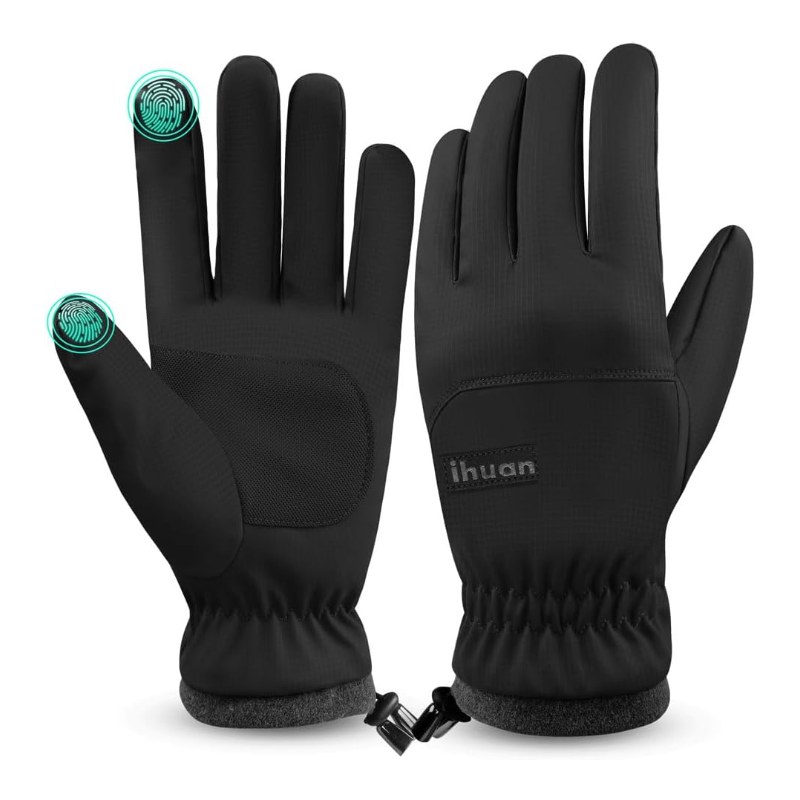
ihuan Waterproof Winter Gloves
You need this if: you want a slim, warm glove for spring skiing, commuting, cycling or cold runs.
- LiningSoft, dense fleece
- ShellWaterproof fabric
- CuffAdjustable windproof cuff
- PalmAnti-slip microfiber leather
- Rating4.4★, 12,000+ ratings
Why we recommend it: They are light and not bulky, so you keep good finger control, but still warm enough for everyday winter use. The adjustable cuff blocks wind, and the grippy palm works on poles, handlebars and steering wheels.
Keep in mind: They are not as warm as Thinsulate ski gloves on very cold lift rides. Pair with a liner or choose the -30°F gloves for deep winter.
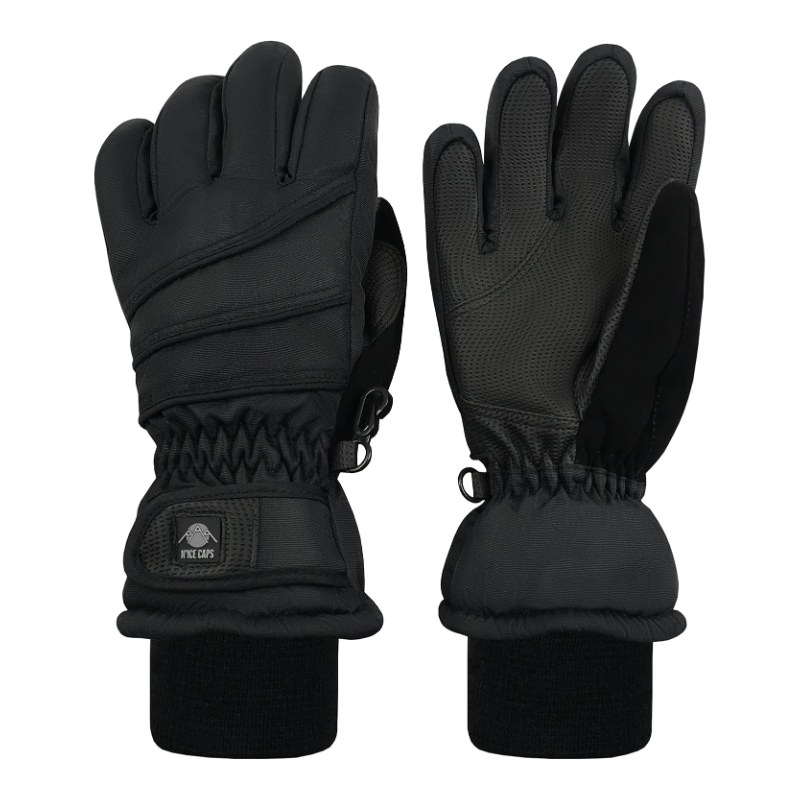
Kids Waterproof Thinsulate Winter Gloves
You need this if: your kids ski, sled or play in snow for hours and come home with soaked gloves.
- Insulation3M Thinsulate
- WaterproofFully waterproof (per listing)
- GripGrippers on palms, thumbs and fingers
- FitElastic wrist, sizes by age
- Rating4.6★, 17,000+ ratings
Why we recommend it: It is one of the most-reviewed kids winter gloves on Amazon, from a Minnesota company that knows real winters. Parents say they stay dry through snowball fights and sledding, and the wide elastic wrist makes them easier for kids to put on themselves.
Keep in mind: Use the age chart and measure; kids hands vary a lot. For toddlers, mittens are easier.

SIMARI Touchscreen Winter Glove Liners
You need this if: you want a thin glove for phones on the lift, mild days, or an extra warm layer under ski gloves.
- MaterialPolyester and spandex, flannel lining
- TouchscreenYes
- GripSilicone dots on palm and fingers
- CuffElastic
- Rating4.3★, 44,000+ ratings
Why we recommend it: These are the most-reviewed winter gloves on Amazon. As liners, they add warmth under ski gloves and let you take off the outer glove for your phone without exposing bare skin. On their own, they are great for running, walking and mild spring days.
Keep in mind: They are not waterproof or warm enough on their own for cold ski days.
Ski gloves compared
| Gloves | Insulation | Waterproof | Best for |
|---|---|---|---|
| Thinsulate -30°F | 200g Thinsulate | TPU membrane | Very cold days |
| TRENDOUX | Thinsulate | Water-resistant | Value |
| ihuan | Fleece | Waterproof shell | Light, everyday |
| Kids Thinsulate | Thinsulate | Waterproof | Kids |
| SIMARI liners | Flannel | No | Liners, mild days |
Ski glove size guide
Measure around your dominant hand at the widest part of the palm, below the knuckles, not including the thumb. Then compare with the brand’s chart. A rough guide:
| Size | Hand circumference |
|---|---|
| XS | 6.5–7 in |
| S | 7–7.5 in |
| M | 7.5–8.5 in |
| L | 8.5–9.5 in |
| XL | 9.5–10.5 in |
Ski gloves should leave a little room at the fingertips. If your fingers press against the ends, the insulation is compressed and your fingers will get cold. Gloves that are too big make it hard to grip poles.
How to keep your hands warm skiing
- Start warm. Put gloves on indoors or in the car so they are warm from the start.
- Stay dry. Tuck or seal cuffs so snow cannot get in. Wet gloves lose most of their warmth.
- Use liners. A thin liner adds warmth and wicks sweat.
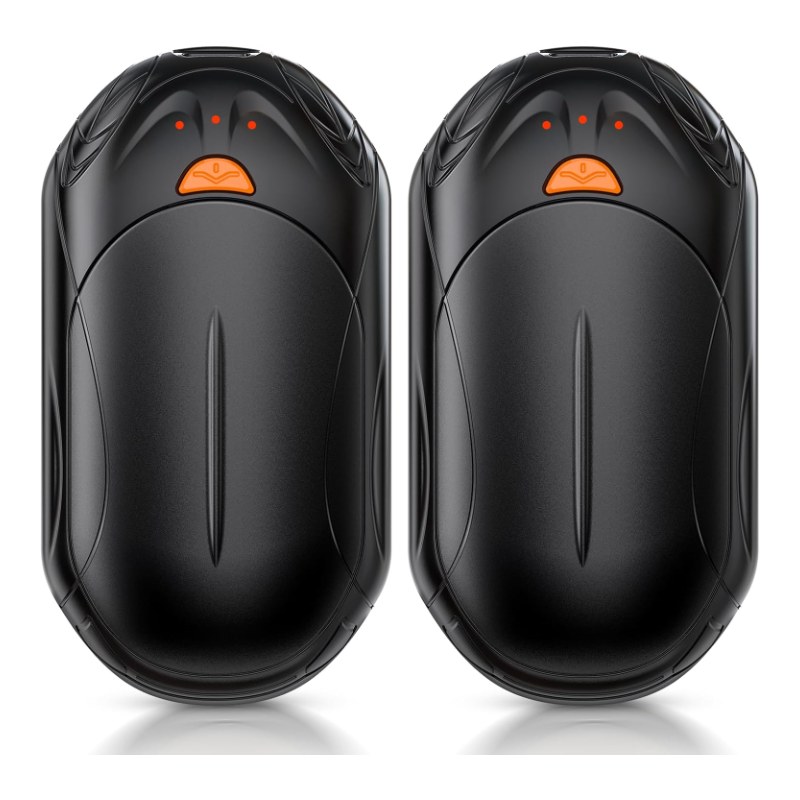
- Add hand warmers. Slip a disposable warmer or a slim rechargeable one into the glove or pocket on very cold days. See our best rechargeable hand warmers.
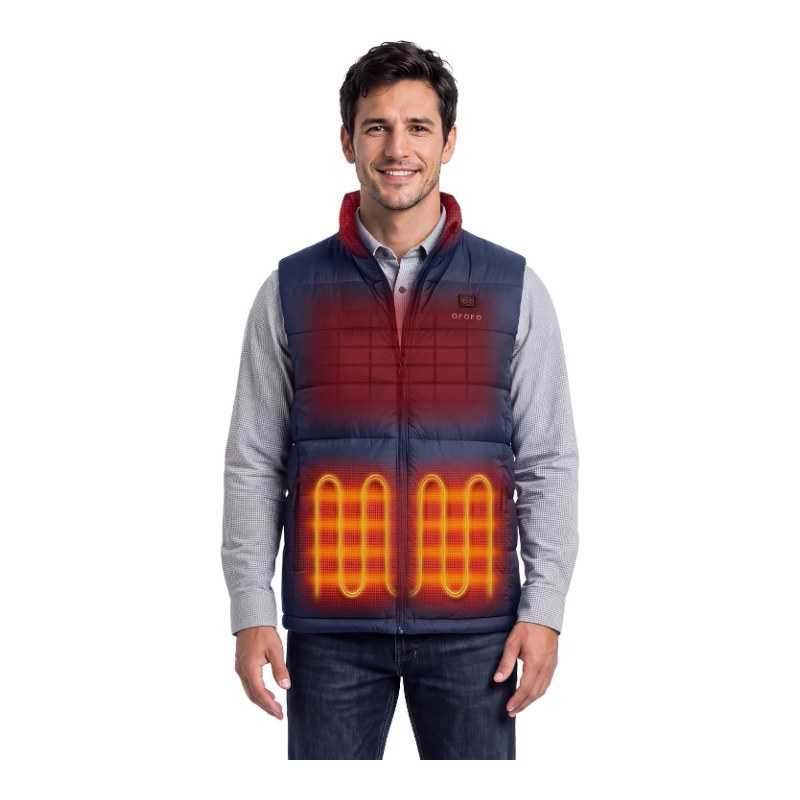
- Keep your core warm. A cold body cuts blood flow to your hands. A heated vest helps more than you might think.
- Move your fingers. Wiggle them on the lift to keep blood flowing.
How to dry and care for ski gloves
Never put ski gloves on a radiator, fire or hair dryer on high; heat damages waterproof membranes and leather. Open the cuffs and dry them at room temperature, fingers up, or on a boot dryer on low. Spot clean with mild soap. Treat leather palms with a glove conditioner once a season, and re-proof the shell with a waterproofing spray if snow starts soaking in.
Complete your ski kit
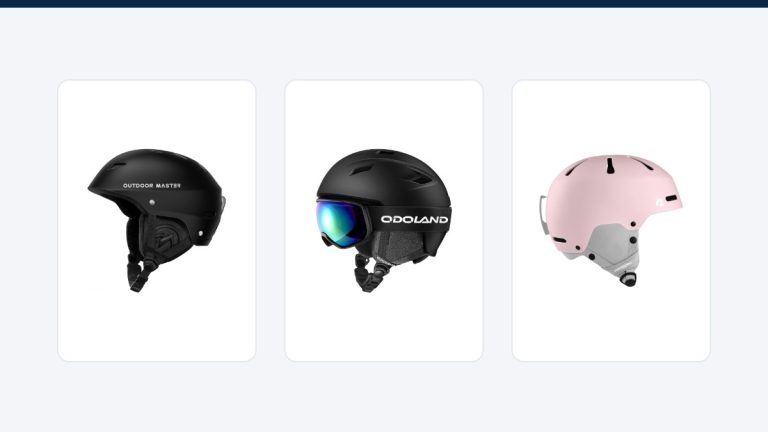
Pair your gloves with the best ski goggles and the best ski helmets. Heading out sledding with the kids? See the best sleds for kids.
Our verdict
The 3M Thinsulate Waterproof Gloves (-30°F) are the best ski gloves for most people: very warm, waterproof and touchscreen-friendly. Choose the TRENDOUX for value, the ihuan for a lighter everyday glove, the Kids Thinsulate for children, and the SIMARI liners for extra warmth and phone use.
Are heated ski gloves worth it?
Battery-heated gloves sound like the perfect fix for cold hands, and the best ones work well. But when we looked at heated gloves on Amazon, most listings were new, with few reviews and mixed ratings, and complaints about batteries dying early and bulky fit were common. For most skiers, a well-insulated glove plus a liner and a hand warmer gives similar warmth for far less money and with less to go wrong. If you have Raynaud’s or very poor circulation, heated gloves from an established brand can still be worth it; read recent reviews carefully and look for long battery life on the low setting.
Leather or synthetic ski gloves?
Leather gloves are durable, grippy and mold to your hand over time, but they need conditioning and can stiffen if dried too fast. Synthetic gloves, like most on this list, are lighter, cheaper, dry faster and need almost no care. Many gloves mix both: a synthetic shell with a leather or PU leather palm for grip. For most recreational skiers, synthetic or hybrid gloves are the practical choice.
Ski gloves for snowboarders
Snowboarders put their hands on the snow far more than skiers, when strapping in, sitting down and getting up after falls. That means waterproofing matters even more. Look for a waterproof membrane, long gauntlet cuffs that go over the jacket sleeve, and reinforced palms that resist abrasion. Mittens are popular with snowboarders because you do not need to grip poles. The Thinsulate -30°F gloves and Kids Thinsulate gloves on this list are good choices for snowboarding.
Ski gloves for people with cold hands
If your hands are always the first thing to get cold, choose mittens or the warmest gloves you can find, add a thin liner, and slip a hand warmer into the back of the glove on very cold days. Keep your core warm, avoid tight gloves, and take short warm-up breaks indoors before your fingers go numb, not after.
Common ski glove mistakes
- Buying gloves too tight. Squashed insulation does not trap heat.
- Drying gloves on a heater, which damages membranes and leather.
- Wearing cotton liners. Cotton holds sweat and makes hands colder.
- Leaving cuffs open so snow gets in during falls.
- Packing only one pair for a long day or a family trip.
Got questions?
Frequently asked questions
What is the warmest type of ski glove?
Insulated mittens are warmest. For gloves, look for 150 to 200 grams of Thinsulate or similar insulation plus a waterproof membrane.
Are cheap ski gloves any good?
Yes, if they have real insulation like Thinsulate and a waterproof layer. Budget gloves like the Thinsulate -30°F and TRENDOUX are well rated by thousands of buyers.
Should ski gloves be tight or loose?
Snug but with a little room at the fingertips. Tight gloves compress insulation and feel colder.
Do I need glove liners for skiing?
Not always, but liners add warmth on cold days and let you use your phone without bare hands.
Are winter gloves the same as ski gloves?
Not always. Ski gloves are usually more waterproof, better insulated and grippier. Light winter gloves are fine for commuting and mild days.
How do I stop my kids’ gloves getting wet?
Choose waterproof insulated gloves, pull the cuffs over jacket sleeves, and pack a spare pair for long snow days.
How we chose
We did not test these gloves ourselves. We compared the best-selling winter and ski gloves on Amazon on insulation, waterproofing, warmth claims, grip, touchscreen support and price, and read what tens of thousands of buyers said about warmth and dryness. Warmth ratings are taken from each listing. We chose one pair for each need.

We research sports gear for players, coaches and sports parents. We compare specs, read verified buyer reviews and name one clear pick for each kind of player. How we pick · Affiliate disclosure