Updated October 29, 2026 · 8 min read
We earn a commission when you buy through our links, at no extra cost to you. How this works.
Size guide · 2026
Basketball size by age
Kids learn basketball faster with a ball that fits their hands. A ball that is too big is hard to dribble and too heavy to shoot with good form. Young players end up pushing it from the hip, a habit that is hard to break later.
Basketballs come in sizes 3 to 7. The chart below shows the right size by age for boys and girls, the sizes used in AAU, and the best ball for each age.
Basketball size by age chart
| Age | Boys | Girls |
|---|---|---|
| 4 and under | Size 3 (22 in) | Size 3 (22 in) |
| 5 to 8 | Size 4 (25.5 in) | Size 4 (25.5 in) |
| 9 to 11 | Size 5 (27.5 in) | Size 5 (27.5 in) |
| 12 to 14 | Size 6 (28.5 in), size 7 in some leagues | Size 6 (28.5 in) |
| 15 and up | Size 7 (29.5 in) | Size 6 (28.5 in) |
The number in inches is the ball’s circumference, the distance around it. Many youth leagues for ages 6 to 8 already use a size 5 ball in games, so ask your coach. A size 4 is still best at home for younger kids who are learning to dribble.
Want a quick answer for any sport? Use our ball size by age tool.
Basketball sizes explained
| Size | Circumference | Weight | Who uses it |
|---|---|---|---|
| Size 3 (mini) | 22 in | about 10 oz | Toddlers and kids 4 and under, mini hoops |
| Size 4 (junior) | 25.5 in | about 14 oz | Kids 5 to 8 |
| Size 5 (youth) | 27.5 in | about 17 oz | Kids 9 to 11 |
| Size 6 (intermediate) | 28.5 in | about 20 oz | Girls 12 and up, women, boys 12 to 14 |
| Size 7 (official) | 29.5 in | about 22 oz | Boys 15 and up, men, NBA |
Basketball size by age for boys
Boys usually move from a size 5 to a size 6 at about 12, and to a full size 7 at about 14 or 15, when middle school or high school ball starts. Some middle school leagues use a size 7 from age 13. If your son is moving to a team that uses a size 7, start practising with one at home a few months before the season.
Basketball size by age for girls
Girls use the same sizes as boys up to about age 11. From 12, girls switch to a size 6 (28.5 inch) ball, and they stay with it through high school, college and the WNBA. A girl does not need a size 7 ball unless she plays mixed pickup games with men.
AAU basketball size by age
AAU and club tournaments set their own ball sizes. A common setup is:
- AAU boys 11U and younger: 28.5 inch (size 6) ball.
- AAU boys 12U and older: 29.5 inch (size 7) ball.
- AAU girls, all ages: 28.5 inch (size 6) ball, with 27.5 inch in some younger divisions.
Rules can change by event and region, so check the tournament handbook before buying a ball for AAU season.
What size basketball for each age
What size basketball for a 4 or 5 year old?
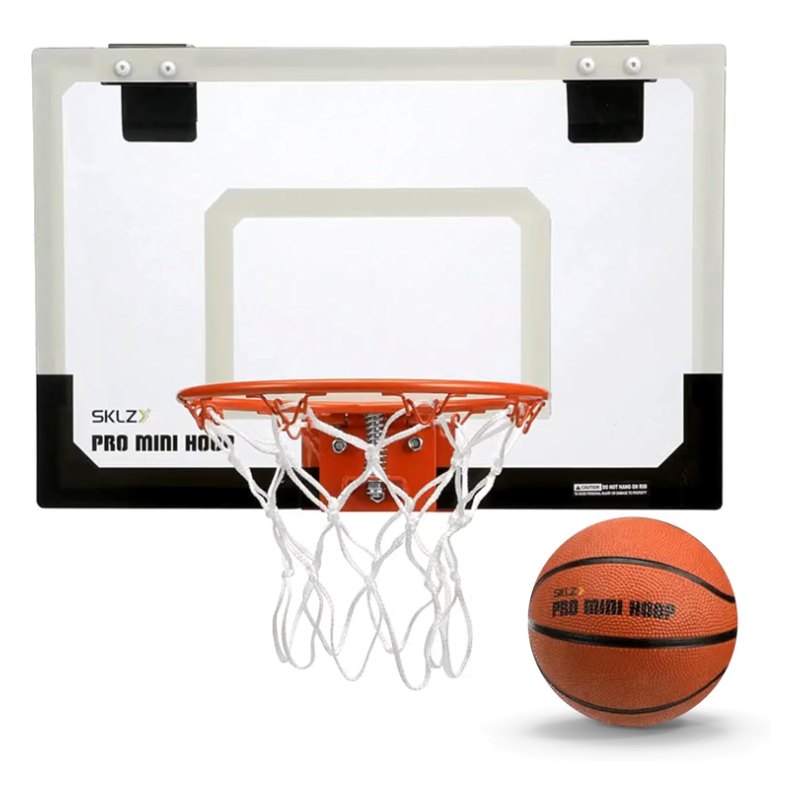
A size 3 (22 inch) mini ball, or a size 4 for a big 5 year old. Pair it with a low hoop, like one from our guide to the best mini basketball hoops for kids.
What size basketball for a 6 or 7 year old?
A size 4 (25.5 inch) ball at home. If your child plays in a league that uses a size 5, buy both so they can practise with the game ball too.
What size basketball for an 8 year old?
A size 4 or size 5. Most 8 year olds can start using a size 5 (27.5 inch), which is the standard youth ball.
What size basketball for a 9, 10 or 11 year old?
A size 5 (27.5 inch) ball. It is the right size for upper elementary school and most youth leagues.
What size basketball for a 12 or 13 year old?
A size 6 (28.5 inch) for girls and most boys. Boys moving to middle school teams that use a size 7 should practise with a size 7.
What size basketball for a 14 year old?
A size 7 (29.5 inch) for most boys and a size 6 (28.5 inch) for girls.
Hoop height by age
The right ball goes with the right hoop. Jr. NBA guidelines suggest:
| Age | Hoop height |
|---|---|
| 6 to 8 | 8 ft |
| 9 to 11 | 9 ft |
| 12 and up | 10 ft (regulation) |
An adjustable hoop lets you raise the rim as your child grows. See our guide to the best portable basketball hoops.
Best basketball for each age
For more choices, see our guides to the best outdoor basketballs and the best indoor basketballs.

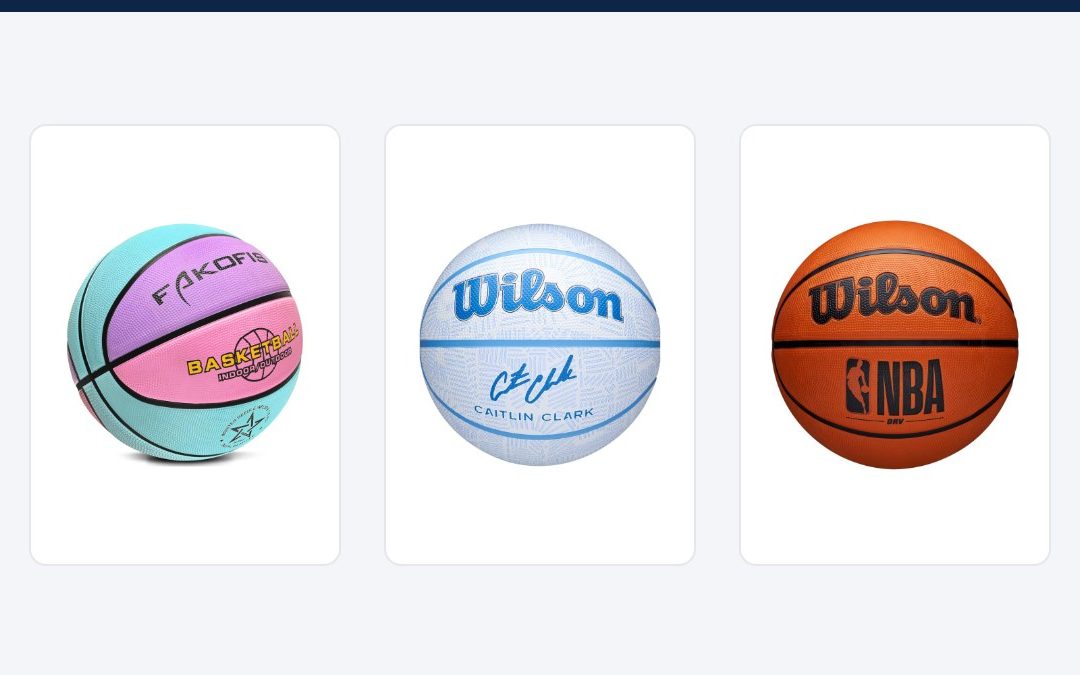
Kids Youth Basketball Size 3/4/5
You need this if: your young child needs a small, light ball they can dribble and shoot at a low hoop.
- Sizes3, 4 and 5
- CoverRubber, indoor/outdoor
- PriceAbout $21
- Ratings4.6★, 1,900+
Why we recommend it: It comes in the small sizes young kids need and is bright and grippy. Parents mention quality, fun and the right size for small hands most.
Keep in mind: It is a rubber ball for learning and play, not a game ball for leagues.
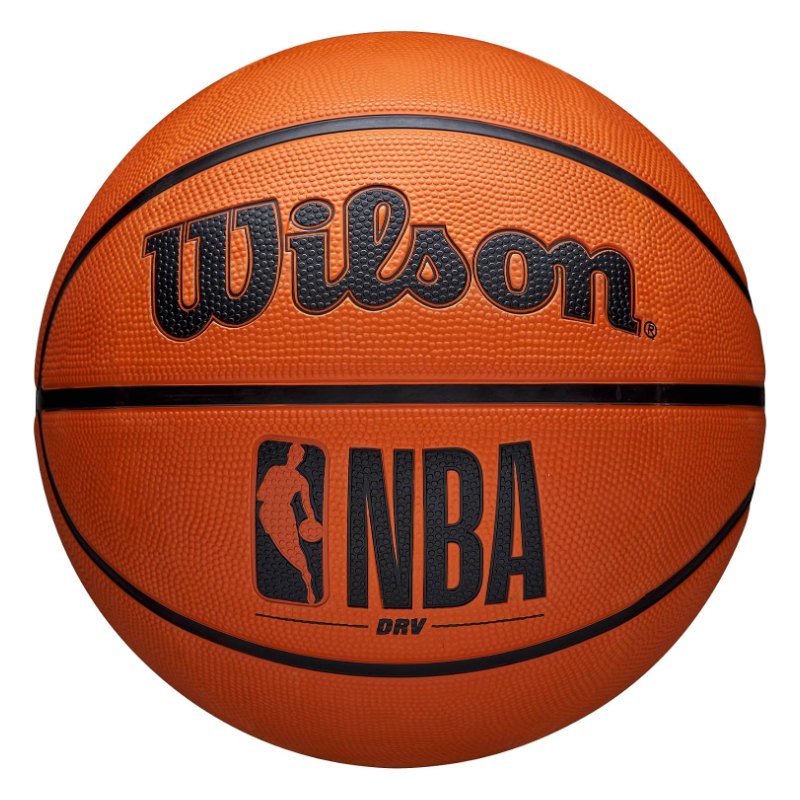
Wilson NBA DRV Outdoor Basketball
You need this if: you want a cheap, tough ball in the right size for driveway and park courts.
- Sizes5, 6 and 7
- CoverRubber, outdoor
- PriceFrom about $10
- Ratings4.6★, 11,000+
Why we recommend it: It is one of the best-selling outdoor balls and comes in every size from youth to men. The deep channels help small hands grip it.
Keep in mind: It is an outdoor ball. For indoor team play, an indoor composite ball feels better.
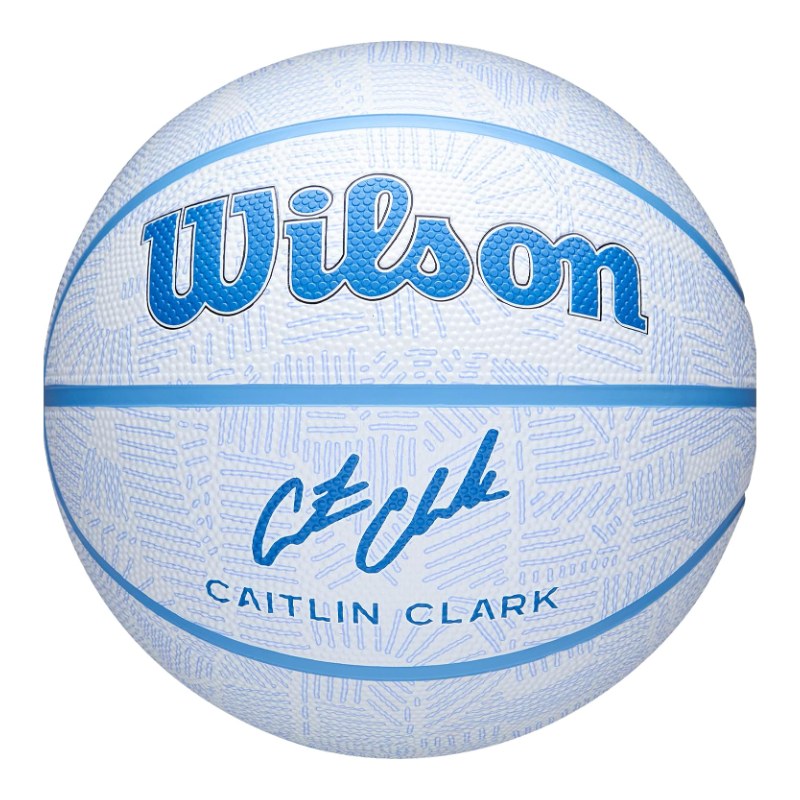
Wilson WNBA Caitlin Clark Basketball (Size 6)
You need this if: your daughter plays with the 28.5 inch ball and wants one for practice indoors and outside.
- Size6 (28.5 in)
- CoverIndoor and outdoor
- PriceAbout $28
- Ratings4.9★
Why we recommend it: It is a 28.5 inch ball, the size used in girls’ and women’s basketball, with deep channels for grip and a lining that holds air. Buyers mention quality, looks and that it makes a good gift.
Keep in mind: It is newer than the other picks, so it has fewer ratings so far.
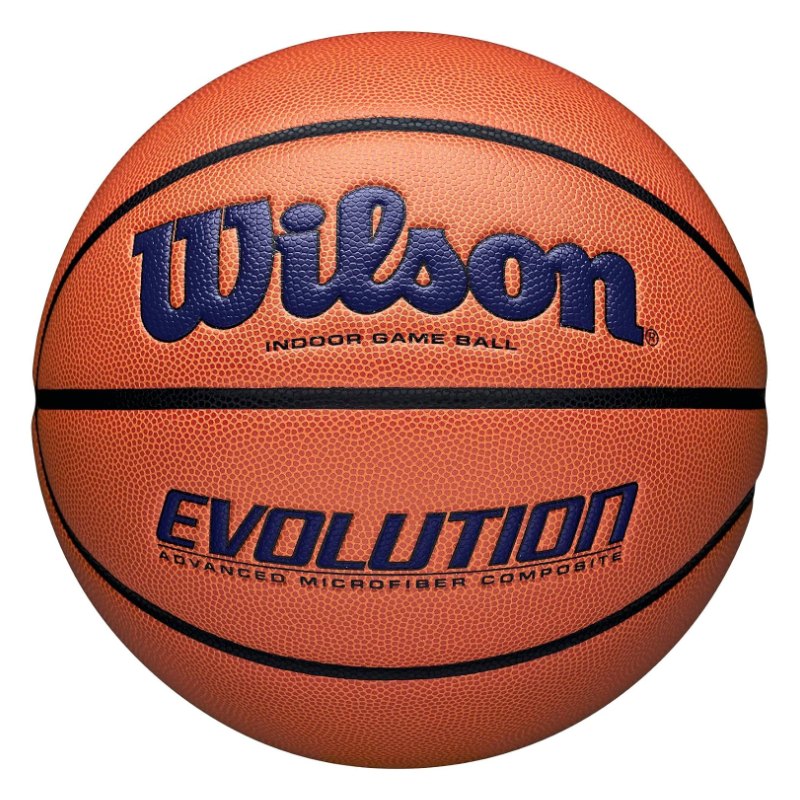
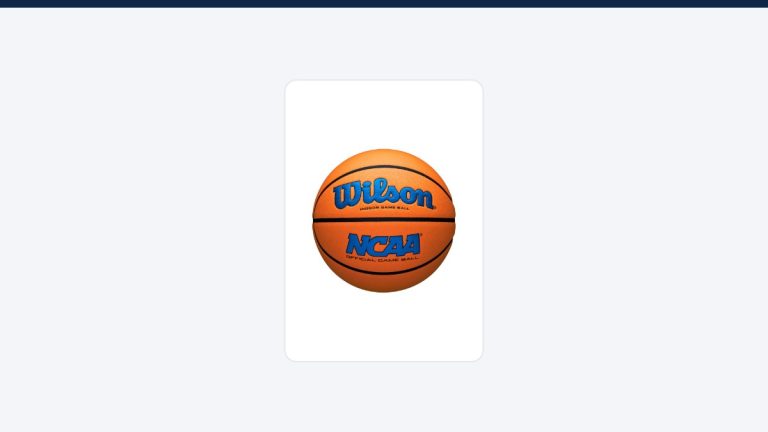
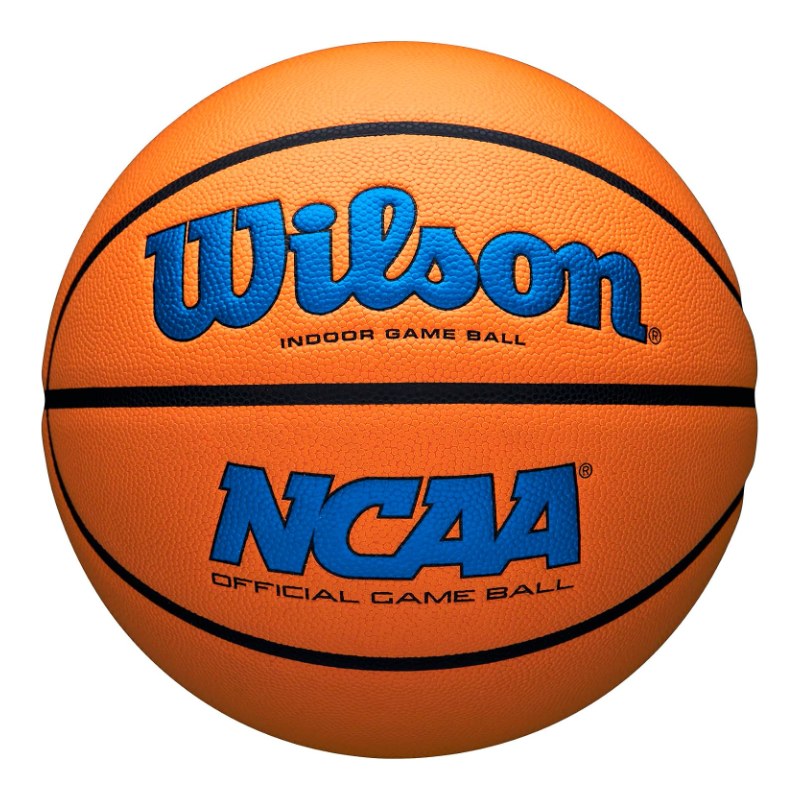
Wilson Evolution Indoor Basketball
You need this if: your player is on a school or club team and wants a soft-touch indoor game ball.
- Sizes27.5, 28.5 and 29.5 in
- CoverComposite, indoor
- UseGym floors only
- Ratings4.7★, 16,000+
Why we recommend it: It is the most popular indoor game ball in US high schools, with a soft, grippy feel. It comes in youth, women’s and men’s sizes.
Keep in mind: Do not use it on outdoor courts. Concrete will wear the cover fast.
Indoor or outdoor ball?
Pick the ball for where your child plays most. Outdoor balls have a tough rubber or composite cover that survives concrete and asphalt. Indoor balls have a softer composite or leather cover that grips well on wood floors but wears out fast outside. If your child plays in both places, an indoor/outdoor ball is a good middle ground.
How to tell if a basketball is the right size
Charts are a great start, but your child’s hands tell you the most. Try these quick checks:
- Dribble test: Your child should be able to dribble the ball at waist height with fingertips, not slap it with a flat palm.
- Shooting test: They should be able to shoot from close range with one hand under the ball and the other on the side, without pushing it from the chest or hip.
- Hold test: They should be able to hold the ball out in front with two hands for a few seconds without it slipping.
If your child passes all three easily and is close to the next age band, it is fine to move up a size. If they struggle with any of them, stay with the smaller ball for now.
How much air should a basketball have?
Most basketballs should be inflated to about 7 to 9 psi. The right number is printed near the valve. A good home check: drop the ball from shoulder height onto a hard floor. It should bounce back to about waist height. Use a pump with a needle, and wet the needle a little before you push it in to protect the valve. A soft ball is hard for kids to dribble, and a hard ball stings their hands, so check it every week or two.
Buying tips for parents
- Buy for now, not next year. A ball that is too big slows down learning. Balls are cheap, so size up when your child is ready.
- Two balls can make sense. Many kids use a size 4 at home and a size 5 at practice. Owning both helps them feel ready on game day.
- Match the ball to the court. A rubber ball for the driveway, an indoor ball for the gym.
- Get a pump. Most balls lose a little air over time, and a cheap hand pump with needles keeps them bouncing right.
Practising at home? See our guides to basketball dribbling aids and basketball return nets.
Rim height by age: see our basketball hoop height by age tool.
Related: Our picks: best basketballs for kids.
Got questions?
Frequently asked questions
What size basketball for a 10 year old?
A size 5 (27.5 inch) ball for both boys and girls.
What size basketball for an 8 year old?
A size 4 (25.5 inch) at home, or a size 5 (27.5 inch) if their league uses one.
What size basketball do girls use?
Girls 12 and up, high school, college and WNBA players use a size 6 (28.5 inch) ball.
What size basketball for a 12 year old boy?
Usually a size 6 (28.5 inch). Some middle school and AAU 12U teams use a size 7 (29.5 inch).
What size ball is used in AAU?
Often 28.5 inch for boys 11U and under and all girls, and 29.5 inch for boys 12U and up. Check your event’s rules.
What is the difference between a size 6 and size 7 basketball?
A size 6 is 28.5 inches around and about 20 ounces. A size 7 is 29.5 inches and about 22 ounces.
How we made this guide
We put this chart together from the size guides published by major brands and youth leagues, and checked it against what parents say in verified Amazon reviews in October 2026. The product picks are the best-rated options we found for each age on Amazon. We have not tested these products in person, no brand paid for placement, and prices change often. Leagues can set their own rules, so always check yours. Read our full method.

We research sports gear for players, coaches and sports parents. We compare specs, read verified buyer reviews and name one clear pick for each kind of player. How we pick · Affiliate disclosure