Updated October 28, 2026 · 8 min read
We earn a commission when you buy through our links, at no extra cost to you. How this works.
Short on time? Our picks
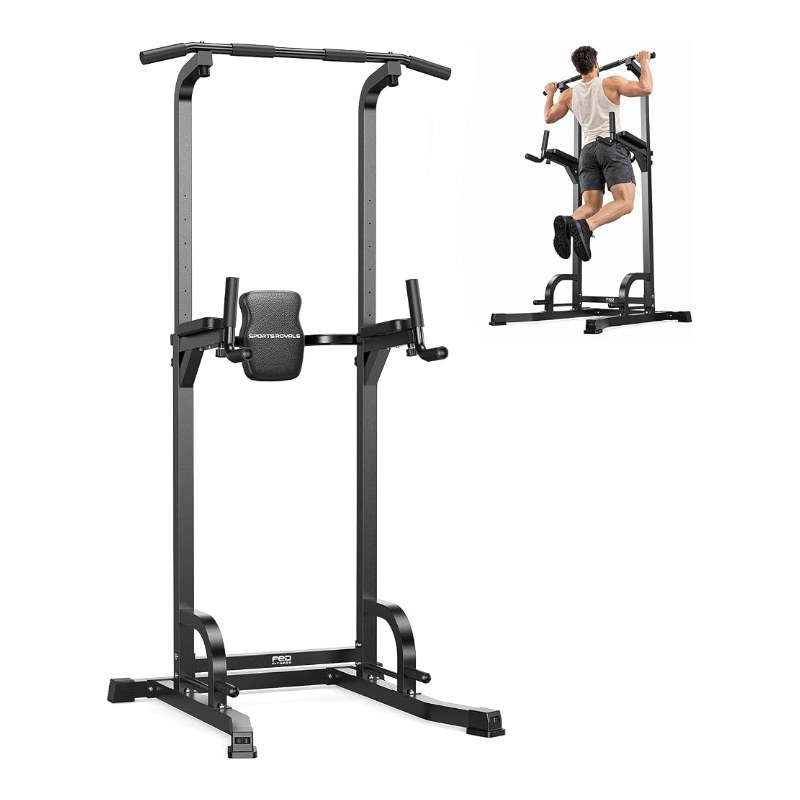 Best overallSPORTSROYALS Power Tower18,000+ ratingsCheck price on Amazon →
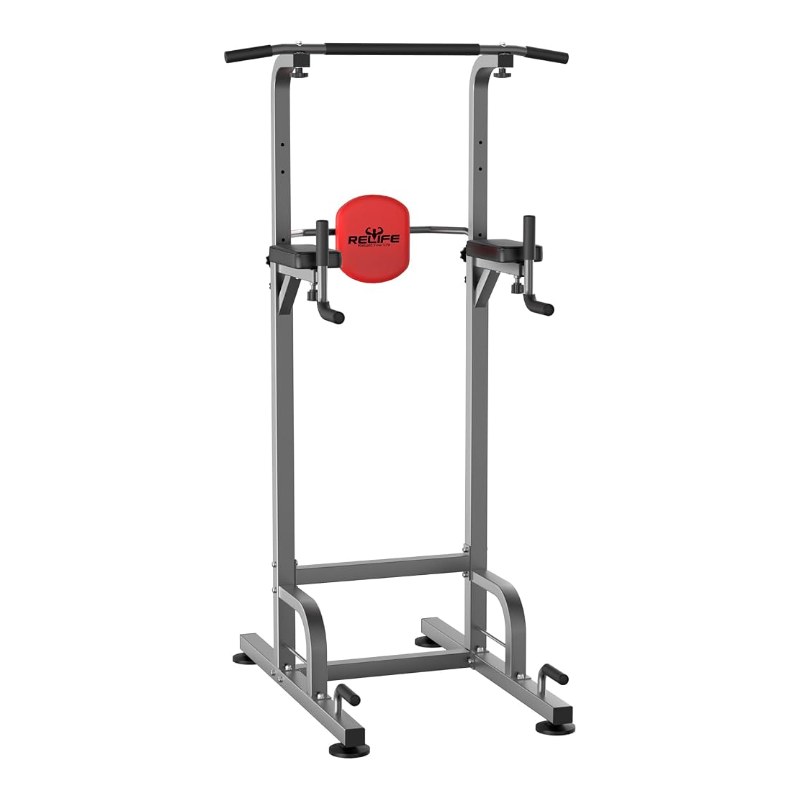 Best runner-upRELIFE Power Tower8,400+ ratingsCheck price on Amazon →
Home gym · 2026
The best power towers
A power tower is a free-standing frame that combines a pull-up bar, dip bars, a vertical knee raise station and usually push-up handles. It lets you do the most effective bodyweight exercises at home without drilling into door frames or ceilings. For anyone building a home gym, it is one of the best-value pieces of equipment you can buy.
We compared the best-selling power towers on Amazon on stability, height adjustment, weight capacity, comfort and what tens of thousands of buyers say. Below is one clear pick for each need, plus setup tips and a full-body workout you can do on it.
Quick answer: the best power towers
- Best overallSPORTSROYALS Power Tower · 18,000+ ratings
- Best runner-upRELIFE Power Tower · 8,400+ ratings
- Best valueSogesPower Power Tower · adjustable, budget
If you want one answer: buy the SPORTSROYALS Power Tower. It is the best-selling power tower on Amazon, with more than 18,000 ratings, an adjustable height, padded back and arm rests for knee raises, dip bars, push-up handles and a pull-up bar with multiple grips. The RELIFE Power Tower is an excellent alternative, and the SogesPower is a cheaper option for lighter use.
The best power towers, reviewed
SPORTSROYALS Power Tower
You need this if: you want one sturdy station for pull-ups, dips, knee raises and push-ups.
- StationsPull-up, dip, vertical knee raise, push-up
- HeightAdjustable
- PaddingBack and arm pads
- Rating4.4★, 18,000+ ratings
Why we recommend it: It is the most popular power tower on Amazon by a wide margin. Buyers praise its stability for the price, easy assembly and the range of exercises. Height adjustment lets most users find a comfortable pull-up height, and the padded arm rests make knee raises comfortable.
Keep in mind: All power towers can wobble with kipping or swinging pull-ups. Use strict, controlled reps and a level floor.
RELIFE Power Tower
You need this if: you want another proven tower from a well-known home gym brand.
- StationsPull-up, dip, knee raise, push-up
- HeightAdjustable
- Rating4.4★, 8,400+ ratings
Why we recommend it: RELIFE also makes our top dip station, and its power tower is another big seller. It covers all the key bodyweight moves and adjusts for different heights. A good choice if the SPORTSROYALS is out of stock or more expensive on the day.
Keep in mind: Check the maximum user weight and height for your size.
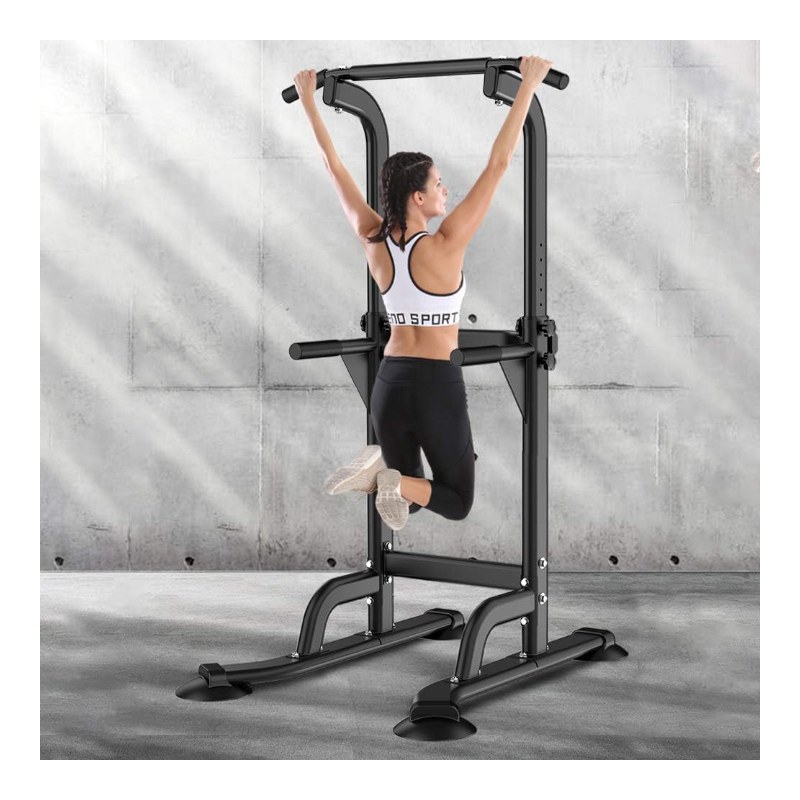
SogesPower Power Tower Dip Station
You need this if: you want a cheaper tower for lighter users or moderate use.
- StationsPull-up, dip, knee raise, push-up
- HeightAdjustable
- Rating4.4★, 1,800+ ratings
Why we recommend it: It offers the same core stations for less money, with solid ratings. A sensible pick for teens, lighter adults, or anyone testing whether home bodyweight training suits them.
Keep in mind: Budget frames can feel less solid for heavy users. Tighten bolts regularly.
Power towers compared
| Tower | Stations | Best for | Rating |
|---|---|---|---|
| SPORTSROYALS | Pull-up, dip, VKR, push-up | Most people | 4.4★ (18,000+) |
| RELIFE | Pull-up, dip, VKR, push-up | Alternative | 4.4★ (8,400+) |
| SogesPower | Pull-up, dip, VKR, push-up | Budget | 4.4★ (1,800+) |
What to look for in a power tower
- Weight capacity: well above your body weight, especially for dips and pull-ups.
- Height range: tall enough that your feet clear the floor on pull-ups; check your ceiling height too.
- Base width: a wider base means less wobble.
- Padding: thick back and arm pads for knee raises.
- Grip options: wide, narrow and neutral grips on the pull-up bar add variety.
- Footprint: measure your space; most need about 4 by 4 feet.
Full-body power tower workout
- Pull-ups or assisted pull-ups: 4 sets of as many good reps as possible.
- Dips: 4 sets of 8 to 12.
- Vertical knee raises: 3 sets of 12 to 15.
- Push-ups on the handles: 3 sets of 10 to 20.
- Inverted rows under the dip bars: 3 sets of 10 (if your tower allows).
Rest 60 to 90 seconds between sets. Do this two or three times a week.
Can’t do a pull-up yet?
Most beginners cannot. Start with dead hangs to build grip, then negative pull-ups: jump or step to the top and lower slowly over 3 to 5 seconds. Add a resistance band looped over the bar under your knee or foot for assistance; see our best resistance bands. Within a few weeks, many people get their first full pull-up.
Setup and safety
- Assemble on a flat, level floor and use the stabiliser feet.
- A rubber mat underneath protects floors and reduces sliding.
- Tighten bolts after the first week and then monthly.
- Avoid kipping and swinging movements; they rock the frame.
- Check ceiling clearance before buying; you need room for your head above the bar.
- Keep young children off it without supervision.
Power tower vs doorway pull-up bar
A doorway bar is cheaper and takes almost no space, but it only does pull-ups and a few core moves, and some door frames are not suitable. A power tower is free-standing, needs no installation, and adds dips, knee raises and push-ups. If you have the floor space, a power tower is far more versatile; if not, see our best doorway pull-up bars.
Our verdict
The SPORTSROYALS Power Tower is the best power tower for most home gyms: versatile, adjustable and proven by more than 18,000 buyers. Choose the RELIFE Power Tower as a strong alternative, and the SogesPower on a budget. For dips only, see our best dip stations.
Why bodyweight training works so well at home
Pull-ups, dips and push-ups are three of the most effective strength exercises ever devised. Together they train almost every muscle in the upper body, and with knee raises they cover the core too. Bodyweight training is easy on joints, scales from beginner to advanced simply by changing leverage or adding weight, and needs no plates or racks. A power tower gives you a dedicated place to do all of it, which makes it much easier to train consistently.
Pull-up grips explained
Wide grip pull-ups emphasise the lats and build a wider back. Close or chin-up grip, with palms facing you, brings in more biceps and is usually easier for beginners. Neutral grip, palms facing each other, is the most shoulder-friendly option and a good choice if wide pull-ups bother your shoulders. Most power towers offer at least two of these grips, so you can rotate between them through the week.
Vertical knee raises and leg raises
The padded back and arm rests on a power tower turn it into a “captain’s chair” for core work. Supporting your weight on your forearms, lift your knees toward your chest without swinging, then lower slowly. Once that is easy, straighten your legs into leg raises, or add a twist to work the obliques. This is one of the best ab exercises for the lower abs and hip flexors, and it is gentler on the neck than crunches.
Progressions for every level
- Beginner: dead hangs, negative pull-ups, band-assisted dips, knee raises, push-ups on the handles.
- Intermediate: 3 to 8 strict pull-ups, full dips, straight-leg raises, decline push-ups.
- Advanced: weighted pull-ups and dips, L-sit pull-ups, toes-to-bar on the pull-up bar.
Assembly tips
Most power towers arrive flat-packed and take one to two hours to assemble. Lay out all parts first, follow the instructions in order, and do not fully tighten bolts until the frame is square. Two people make it much easier. Once built, check that the frame does not rock, and adjust the leveling feet if your floor is uneven.
Ceiling height check
Measure from the floor to your ceiling before buying. Many towers stand around 7 feet at their highest setting, and you need extra room above the bar for your head at the top of a pull-up. In basements or rooms with low ceilings, set the tower lower and bend your knees during pull-ups, or choose a model with a lower maximum height.
A 4-week beginner plan
Week 1: three sessions of 3 x 20 second dead hangs, 3 x 5 negative pull-ups, 3 x 5 band-assisted dips and 3 x 10 knee raises. Week 2: add one rep to each set and lengthen hangs to 30 seconds. Week 3: try a full pull-up at the start of each session, then continue negatives; increase dips to 3 x 8. Week 4: aim for 3 sets of your maximum pull-ups, 3 x 10 dips and 3 x 15 knee raises. Keep a simple log so you can see progress.
Common power tower mistakes
- Kipping or swinging, which rocks the tower and wastes effort.
- Setting the bar too low, forcing you to bend your knees awkwardly.
- Skipping the leveling feet on an uneven floor.
- Never re-tightening bolts after the first weeks of use.
- Training to failure every session, which slows progress.
Power towers as gifts
A power tower is a big but very useful gift for teens getting into fitness, calisthenics fans or anyone setting up a garage gym. Pair it with resistance bands for assisted pull-ups. See our gifts for gym lovers.
Value math
A power tower costs about the same as two or three months at many gyms, yet it can last for years and is available every day without travel. For people who mainly want strength and muscle from bodyweight moves, that is excellent value.
Got questions?
Frequently asked questions
Are power towers stable?
Good ones are stable for strict pull-ups and dips. All can wobble with kipping or swinging.
How much space does a power tower need?
About 4 by 4 feet of floor and enough ceiling height for your head above the bar.
Can you build muscle with a power tower?
Yes. Pull-ups, dips and push-ups build the back, chest, shoulders, arms and core.
Are power towers good for beginners?
Yes. Use assisted pull-ups with bands and bench-style or negative dips to start.
Do power towers need to be anchored?
No. They are free-standing, but should sit on a flat floor with all bolts tight.
Power tower or dip station?
A power tower adds pull-ups and knee raises. Choose a dip station if space or budget is tight.
How we chose
We did not test these towers ourselves. We compared the best-selling power towers on Amazon on stations, adjustability, stability and ratings, and read what tens of thousands of buyers said. We chose one tower for each need.

We research sports gear for players, coaches and sports parents. We compare specs, read verified buyer reviews and name one clear pick for each kind of player. How we pick · Affiliate disclosure