Updated October 28, 2026 · 9 min read
We earn a commission when you buy through our links, at no extra cost to you. How this works.
Short on time? Our picks
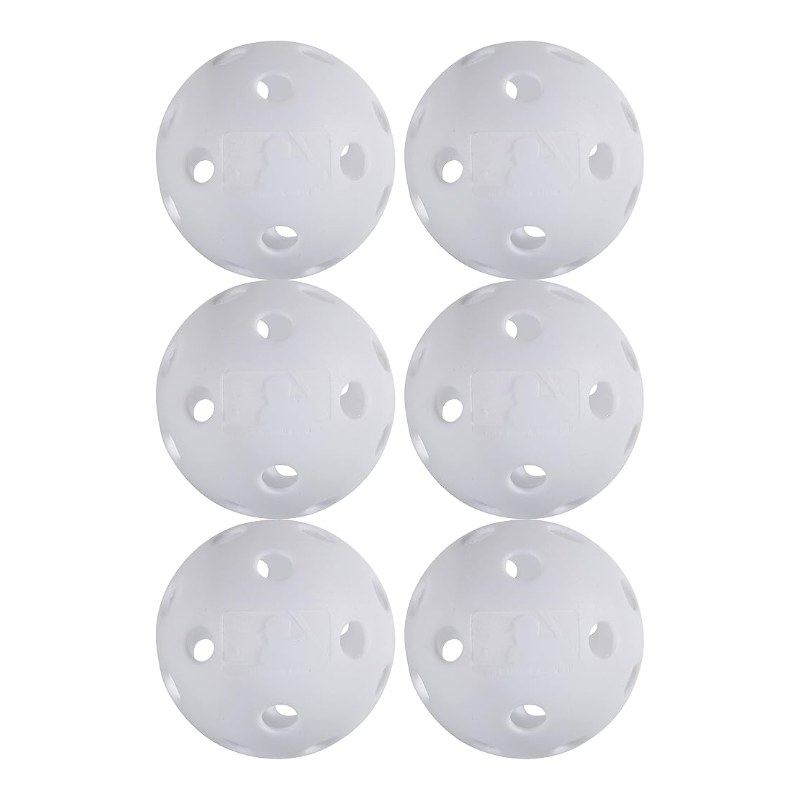 Best overallFranklin Indestruct-A-Balldurable plastic, 4,100+ ratingsCheck price on Amazon →
 Best for small yardsChampion Sports 9 in Hollow Plastic Ballslight, safe, cheapCheck price on Amazon →
Baseball · 2026
The best practice balls for hitting at home
Real baseballs break windows, dent cars and roll into the neighbor’s yard. Practice balls solve that. Light plastic balls let kids hit in a backyard or garage, dimpled balls fly like a real ball for a short distance, and weighted balls build power and fix lazy swings. The right ball turns a small yard into a batting cage.
We compared the best-selling practice balls on Amazon on safety, durability, how they fly and what thousands of parents and coaches say. Below is one clear pick for each goal, plus drills and safety tips.
Quick answer: the best practice balls
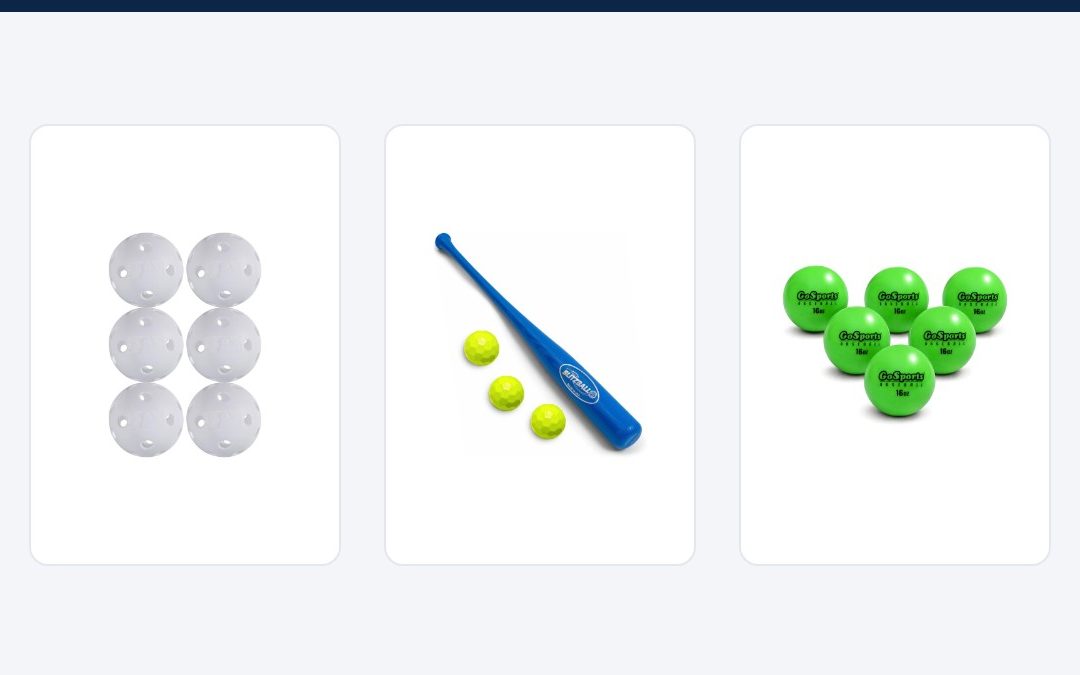
- Best overallFranklin Indestruct-A-Ball · durable plastic, 4,100+ ratings
- Best for small yardsChampion Sports 9 in Hollow Plastic Balls · light, safe, cheap
- Best backyard gameBlitzball Starter Pack · curves and dips · made in USA
- Best for power trainingGoSports 16 oz Weighted Balls · 9,600+ ratings
- Best rebounding ballBandit Sports Popper Balls · impact-resistant
If you want one answer: buy the Franklin Indestruct-A-Ball practice balls. They are tough plastic balls built for repeated hitting off a tee or soft toss, safe enough for backyards and garages, and well reviewed by thousands of buyers. For the smallest yards and youngest kids, the Champion Sports hollow balls are lighter and cheaper. For a fun neighborhood game, nothing beats a Blitzball.
Which practice ball do you need?
| Goal | Best ball | Why |
|---|---|---|
| Tee work and soft toss in the yard | Franklin Indestruct-A-Ball | Durable, safe, flies a short distance |
| Toddlers and tiny yards | Champion hollow plastic | Very light, cannot cause damage |
| Backyard games with friends | Blitzball | Curves and dips like a real pitch |
| Building bat speed and contact | GoSports weighted balls | Heavy ball punishes a weak swing |
| Hitting into nets and walls | Bandit popper balls | Impact-resistant and rebounding |
The best practice balls, reviewed
Franklin Sports Indestruct-A-Ball Practice Balls
You need this if: you want safe, durable balls for daily tee work and soft toss at home.
- MaterialDurable plastic
- UseTee, soft toss, hitting nets
- SizesBaseball, softball and golf versions
- Rating4.6★, 4,100+ ratings
Why we recommend it: These are designed to survive lots of hitting without cracking, which is the main problem with cheap plastic balls. They fly a short, predictable distance, so you can practise in a yard without chasing balls down the street.
Keep in mind: They do not feel like a real baseball off the bat. Use them for reps and form, not for judging distance.
Champion Sports 9 in Hollow Plastic Baseballs
You need this if: you have a toddler or tee ball beginner, or very little space.
- MaterialHollow plastic
- Size9 in (baseball size)
- WeightVery light
- Rating4.7★, 3,900+ ratings
Why we recommend it: They are light enough that a mishit cannot hurt anyone or break anything, which makes them ideal for little kids and indoor practice. A big pack is cheap, so losing a few in the bushes does not matter.
Keep in mind: Very light balls can blow around in the wind and crack after heavy use by bigger kids.

Blitzball Starter Pack
You need this if: you want a fun game for kids, teens and adults in the backyard or at the park.
- Includes3 Blitzballs and 1 Power Bat
- Made inUSA
- FeatureBall curves, dips and rises
- Rating4.7★, 4,300+ ratings
Why we recommend it: Blitzball has become a cult backyard game because the ball moves like a real breaking pitch, which makes hitting challenging and fun for all ages. It is a great way to get kids outside and swinging without the risks of hard balls.
Keep in mind: It is a game ball, not a training aid for swing mechanics. Older hitters can develop habits that do not transfer to real pitching.
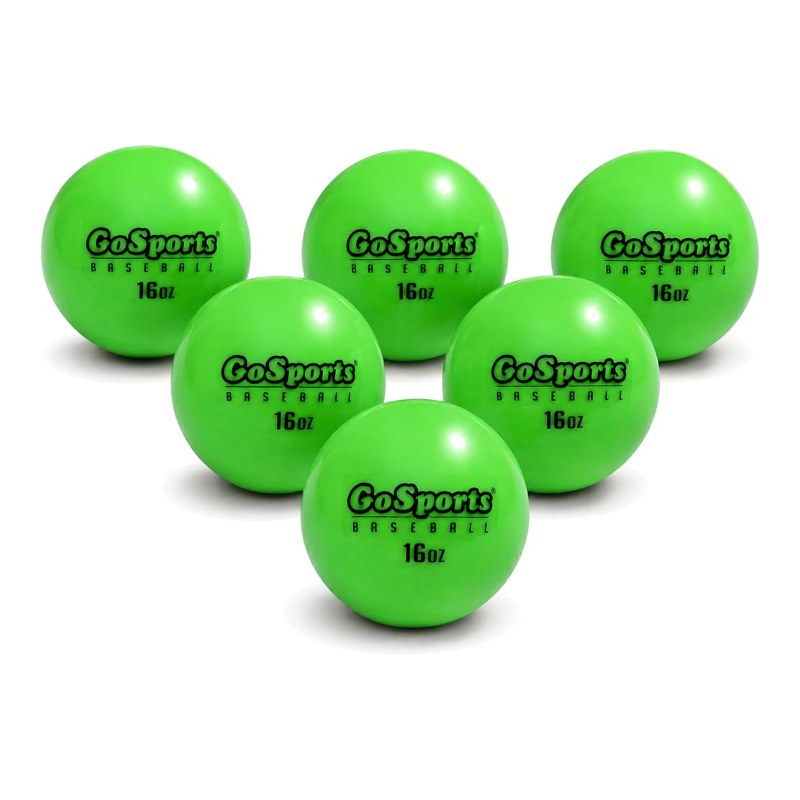
GoSports 16 oz Weighted Training Baseballs (6 Pack)
You need this if: your player is 10 or older and wants to build bat speed and a stronger contact point.
- Weight16 oz each
- Pack6 balls
- UseTee and soft toss into a net
- Rating4.8★, 9,600+ ratings
Why we recommend it: A heavy ball hardly moves on a weak or late swing, so hitters learn to drive through the ball with their whole body. Coaches use weighted ball drills to build strong contact. They are durable and come in a handy bag.
Keep in mind: Always hit them into a net from a short distance; they are heavy and not for throwing or open-field hitting. Not for young kids.

Bandit Sports Popper Balls
You need this if: you hit into a net or wall and want balls that rebound and survive impact.
- MaterialImpact-resistant, rebounding
- UseNets, walls, soft toss
- Rating4.8★, 700+ ratings
Why we recommend it: They are built to take repeated hard contact and bounce back, which suits net and wall drills. Highly rated by buyers for durability.
Keep in mind: Newer brand with fewer reviews than Franklin or Champion.
Practice balls compared
| Ball | Weight | Best for | Rating |
|---|---|---|---|
| Franklin Indestruct-A-Ball | Light | Daily tee and toss | 4.6★ (4,100+) |
| Champion hollow | Very light | Toddlers, small yards | 4.7★ (3,900+) |
| Blitzball | Light | Backyard games | 4.7★ (4,300+) |
| GoSports weighted | 16 oz | Power training | 4.8★ (9,600+) |
| Bandit popper | Light | Nets and walls | 4.8★ (700+) |
Home hitting drills with practice balls
- Tee line drives: 20 swings at belt height, aiming for line drives into the net.
- Soft toss: partner kneels to the side and tosses into the strike zone; 3 rounds of 10.
- High-low toss: partner varies height to train pitch recognition.
- Weighted ball tee: 10 swings with weighted balls, then 10 with regular balls to feel the speed difference.
- One-hand drills: top hand and bottom hand only, 10 each, with a light ball.
Safety tips
- Use a hitting net for anything heavier than hollow plastic balls.
- Never throw weighted balls at people; they are for hitting into nets.
- Keep partners tossing from the side, behind a screen if possible.
- Pick up balls between rounds so no one steps on them.
- Wear a helmet for live pitching, even with plastic balls, for young kids.
Set up a backyard batting cage
A batting tee, a hitting net and a bucket of practice balls are all you need. Place the net 6 to 10 feet in front of the tee, with clear space on both sides. See our best batting tees, best baseball hitting nets and best wiffle ball sets.
Our verdict
The Franklin Indestruct-A-Ball is the best all-round practice ball for hitting at home. Choose Champion hollow balls for toddlers and tiny yards, a Blitzball for backyard games, GoSports weighted balls for power training and Bandit poppers for net and wall work.
Types of practice balls explained
Hollow plastic balls are the lightest and safest. They are perfect for toddlers and tiny spaces but can crack with hard swings. Solid or thick plastic balls, like the Indestruct-A-Ball, are heavier and tougher, so they suit older kids hitting off a tee every day. Perforated balls, like wiffle balls, slow down quickly and curve, which keeps them in the yard. Dimpled or foam limited-flight balls fly more like a real ball for the first few yards, then drop, which helps hitters judge contact. Weighted balls are heavy training tools for building power, used only into a net. Game balls like Blitzball are designed for fun backyard matchups.
How many practice balls do you need?
For tee work and soft toss, a bucket of 12 to 24 balls is ideal, because you can hit a full round before stopping to collect them. Buying a bigger pack saves time, and with plastic balls it costs little. For weighted ball drills, six balls is enough because each round is short.
Practice balls for softball players
Softball players should practise with softball-size balls, which are larger and change how the bat meets the ball. Franklin, GoSports and Champion all sell softball versions of their practice balls. Fastpitch hitters also benefit from soft toss from the front at a slight upward angle to mimic a rise ball.
Making practice fun for kids
- Set targets on the net, like paper plates, and award points for hits.
- Play “home run derby” with soft balls in the yard.
- Let kids pitch to parents with Blitzballs for a laugh.
- Keep a simple chart of line drives per session to show progress.
- End on a good swing so they finish feeling successful.
Care and storage
Keep plastic balls out of the sun, which makes them brittle, and store them in a bucket or mesh bag in the garage. Throw away cracked balls, because jagged edges can scratch hands and bats. Wipe weighted balls clean so grit does not wear the cover.
Practice balls as gifts
A big bag of practice balls with a batting tee or hitting net makes a complete gift for young players, and a Blitzball set is a crowd-pleaser for teens and dads. See our gifts for baseball players and sports gifts for kids.
How weighted balls build better hitters
When a hitter makes contact with a heavy ball, a weak, armsy or late swing is exposed immediately: the ball barely moves off the tee, and the hands feel the jolt. To drive a weighted ball, a hitter has to use the legs and hips, keep the barrel on plane and stay strong through contact. After a few swings with a heavy ball, many players feel their normal swing is quicker and more connected. Coaches usually limit weighted ball rounds to about 10 to 20 swings and follow them with regular balls so the body learns the speed.
Who should not use weighted balls
Young children under about 10, players with wrist, elbow or shoulder pain, and anyone without a sturdy net should skip weighted balls. Heavy balls can hurt if they ricochet, and they put more stress on joints. For younger kids, plastic practice balls are the right tool.
Practising in a garage or basement
Indoors, use the lightest balls, a net with a solid frame, and plenty of ceiling height for the swing. Protect lights and windows, clear breakables, and lay a rubber mat to protect the floor. Hollow plastic and foam balls are the safest choice for indoor hitting in winter.
Got questions?
Frequently asked questions
What balls are best for backyard batting practice?
Durable plastic practice balls like the Franklin Indestruct-A-Ball are safe and fly a short distance.
Are weighted baseballs good for hitting?
Yes for players about 10 and older, hitting into a net. They help build bat speed and strong contact.
Can I use real baseballs with a home net?
Yes with a strong net, but practice balls are safer around houses and cars.
Is Blitzball good for practice?
It is a fun game that builds hand-eye coordination, but the ball movement is exaggerated compared with real pitching.
What practice balls are safe for toddlers?
Light hollow plastic balls like the Champion Sports 9 inch balls.
Do practice balls work for softball?
Yes. Franklin and GoSports also sell softball-size versions.
How we chose
We did not test these balls ourselves. We compared the best-selling practice balls on Amazon on material, weight, durability and ratings, and read what thousands of parents and coaches said about safety and how long they last. We chose one ball for each training goal.

We research sports gear for players, coaches and sports parents. We compare specs, read verified buyer reviews and name one clear pick for each kind of player. How we pick · Affiliate disclosure