Updated October 28, 2026 · 8 min read
We earn a commission when you buy through our links, at no extra cost to you. How this works.
Short on time? Our picks
 Best complete kitPowerNet 5×5 Net + Tee Bundlenet, tee, weighted ballCheck price on Amazon →
 Best valueZONLOLO 6×6 Net4.7★, about $45Check price on Amazon →
Backyard & garage practice · 2026
The best baseball hitting nets for home practice
A hitting net turns a backyard, garage or driveway into a mini batting cage. Pair it with a tee or soft toss, and a young hitter can take hundreds of swings a week without chasing balls.
We compared the best-selling baseball nets on Amazon by size, setup, sturdiness and buyer ratings, and picked one net for each space and budget.
Quick answer: the best hitting nets
- Best complete kitPowerNet 5×5 Net + Tee Bundle · net, tee, weighted ball
- Best valueZONLOLO 6×6 Net · 4.7★, about $45
- Best big net on a budget7×7 Practice Net with Strike Zone · about $38
- Best for fielding practiceFranklin Pitchback Rebounder · throws balls back
Pick by space
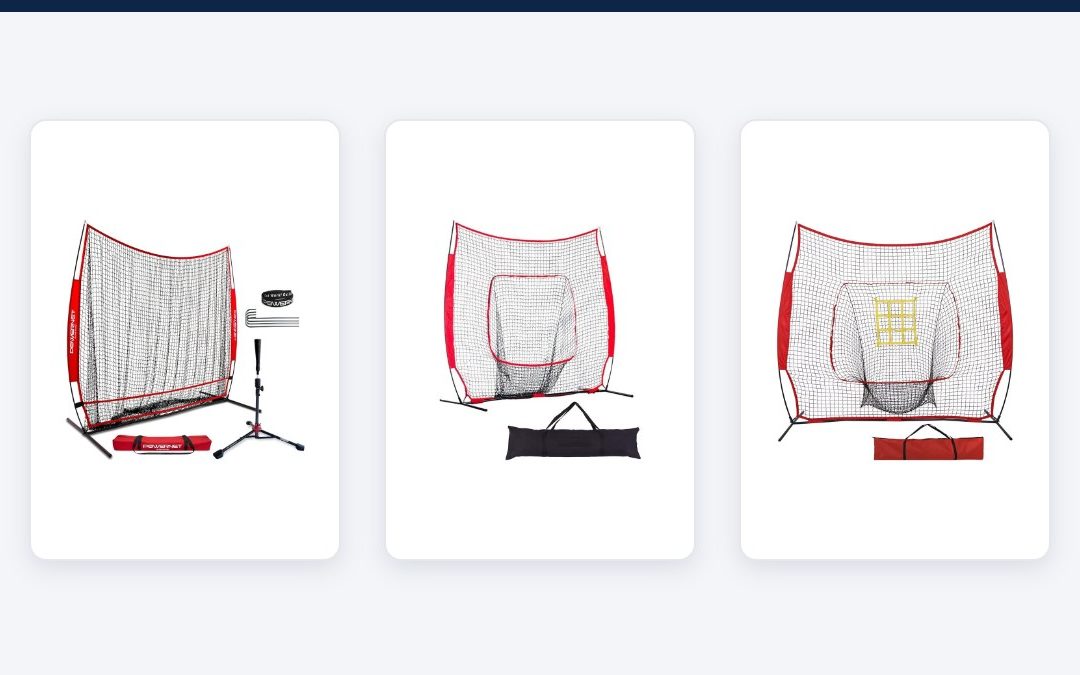
PowerNet 5×5 Net + Tee Bundle
A compact 5×5 net fits where bigger nets won’t, and the bundle includes the tee, so you’re ready to hit on day one.
ZONLOLO 6×6 Net
A 6×6 net is a forgiving middle size for young hitters, with a target and strike zone for pitching practice.
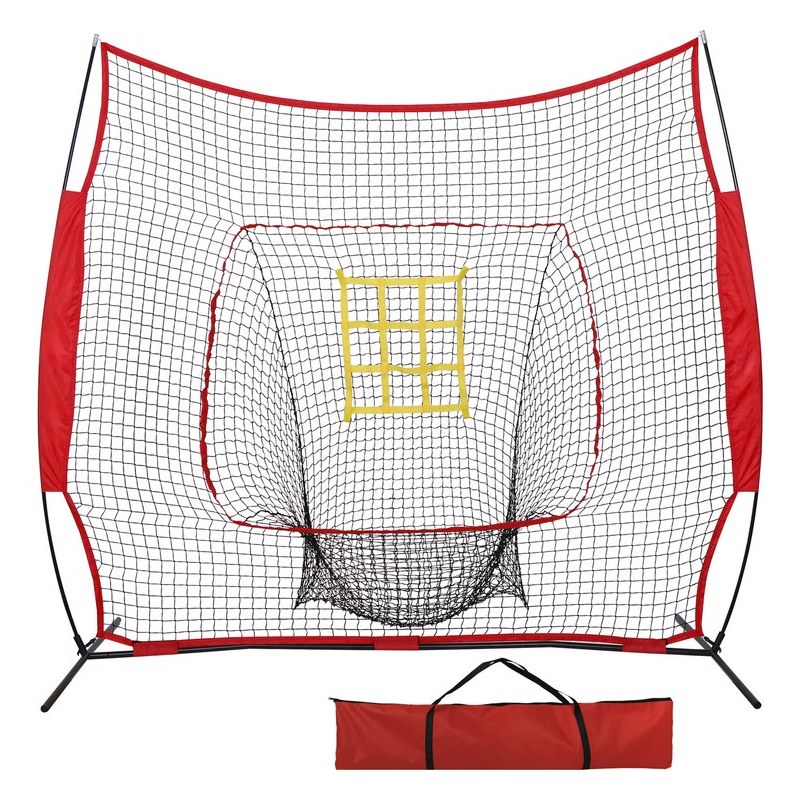
7×7 Practice Net with Strike Zone
A 7×7 net gives the most margin for error, which is ideal for soft toss when hits spray around.
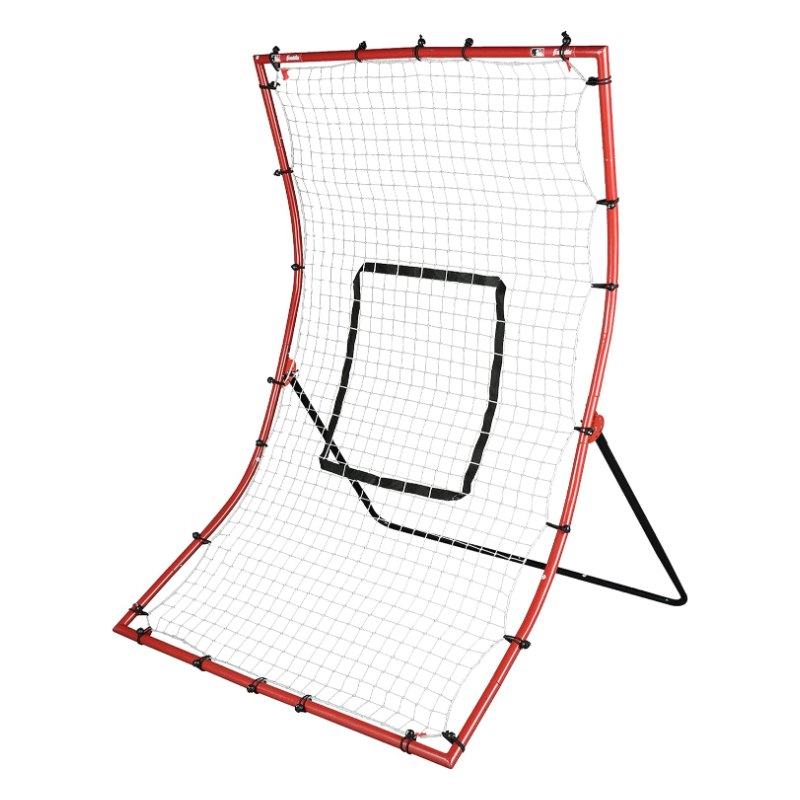
Franklin Pitchback Rebounder
A rebounder throws grounders and pop-ups back, so kids can practice fielding alone.
The best baseball hitting nets in detail
PowerNet 5×5 Baseball Net + Tee Bundle
You need this if: you want everything to start hitting at home in one order.
- Includes5×5 net, adjustable tee (27.5–44″), 16 oz weighted ball, strike zone
- FrameSteel base, fiberglass bow poles
- SetupNo tools
- Rating4.6 (870+ ratings)
Why we recommend it: Buyers praise the quality, easy setup and value. The adjustable tee works for young kids through teens, and the strike zone adds pitching practice.
Keep in mind: A 5×5 net is smaller, so it suits tee work better than wild soft toss. Durability gets some mixed notes.
ZONLOLO 6×6 Portable Baseball Net
You need this if: you want a sturdy, affordable net for hitting and pitching in an average backyard.
- Size6×6 ft
- ExtrasCircular target, strike zone, carry bag
- PriceAbout $45
- Rating4.7 (370+ ratings)
Why we recommend it: It has the highest rating here, and buyers like the size, easy assembly and value. The 7-ply knotless netting is built for repeated hits.
Keep in mind: Durability gets some mixed comments with heavy daily use.
7×7 Baseball Softball Practice Net with Strike Zone
You need this if: you have room for a big net and want the most forgiveness for soft toss.
- Size7×7 ft
- SetupUnder 2 minutes, no tools
- Warranty365 days (per seller)
- Rating4.5 (580+ ratings)
Why we recommend it: A 7×7 net catches far more mishits than smaller nets, and this one costs less than most 6×6 nets. Buyers praise the quality and easy setup.
Keep in mind: Durability and value get some mixed comments. It’s a lesser-known brand.
Franklin Sports Youth Pitchback Rebounder
You need this if: you want your child to practice fielding grounders and pop-ups without a partner.
- UseThrowing and fielding
- DesignCurved, adjustable return angle
- FrameFolding steel, ground stakes
- Rating4.4 (1,500+ ratings)
Why we recommend it: It’s the most-reviewed net here. Buyers enjoy it and praise the easy assembly and functionality. It’s the best way to practice fielding solo.
Keep in mind: It’s for throwing, not hitting, and durability gets mixed comments.
Hitting net size guide
| Net size | Space needed | Best for |
|---|---|---|
| 5×5 ft | Garage or small patio | Tee work, younger hitters |
| 6×6 ft | Average backyard | Tee and soft toss for most kids |
| 7×7 ft | Large yard | Soft toss, older hitters, pitching |
| Batting cage | Very large yard | Live pitching, travel players |
Leave at least 10 to 15 feet in front of the net for soft toss, plus a few feet of space behind the net in case a ball pushes it back.
 ▶ Best Baseball Hitting Drills to Do by Yourself
Solo hitting drills you can do at home with a net and a tee. The video loads from YouTube only when you press play.
5 hitting drills to do with a net
- Tee work: 25 swings at three tee heights: low, middle and high.
- Inside and outside: move the tee to the inside and outside corners to practice where to make contact.
- Soft toss: a partner tosses from the side at a 45° angle, so the batter hits into the net.
- One-hand drills: top-hand and bottom-hand swings off the tee, using a short bat or choking up.
- Strike zone target: aim line drives at the middle of the net or the target panel.
How to choose a hitting net
- Size for your space, using the guide above.
- Frame: steel bases with fiberglass bows set up fast and fold for storage.
- Netting: knotless, multi-ply polyester lasts longest.
- Extras: a tee, strike zone or target makes the net more useful.
- Ball type: most nets handle real baseballs, but check the listing if you’ll hit hard with older players.
How to set up a baseball hitting net
- Unfold the steel base and connect the fiberglass bow poles. Most nets need no tools.
- Hook the net’s corner loops over the bow ends, so the net is taut.
- Stake the base outdoors, or weigh it down with sandbags indoors.
- Attach the strike zone or target if it has one.
- Place the tee 7 to 10 feet in front of the net, slightly off-center so the batter hits into the middle.
The first setup takes 5 to 10 minutes. After that, most bow-frame nets go up in about 2 minutes.
Hitting net vs batting cage
A hitting net is portable, cheap and perfect for tee and soft-toss work. A batting cage encloses the hitter on all sides, so it can handle live pitching or a pitching machine, but it needs a lot of space and costs far more. For most families, a net is the better buy. Travel players who hit off a machine every day are the ones who benefit most from a cage.
Hitting nets for softball
All four nets here work for softball as well as baseball. Softballs are bigger and slower off the bat, so a 6×6 or 7×7 net handles them well. For fastpitch pitching practice, the strike zone targets on the PowerNet and 7×7 nets help pitchers work on location.
Using a hitting net for pitching
Many nets double as pitching targets. Clip on the strike zone, mark a mound distance, and have your player throw to specific corners. Count strikes out of 10 to make it a game. A pitchback rebounder works better if you want the ball to come back without chasing it.
Training balls for home practice
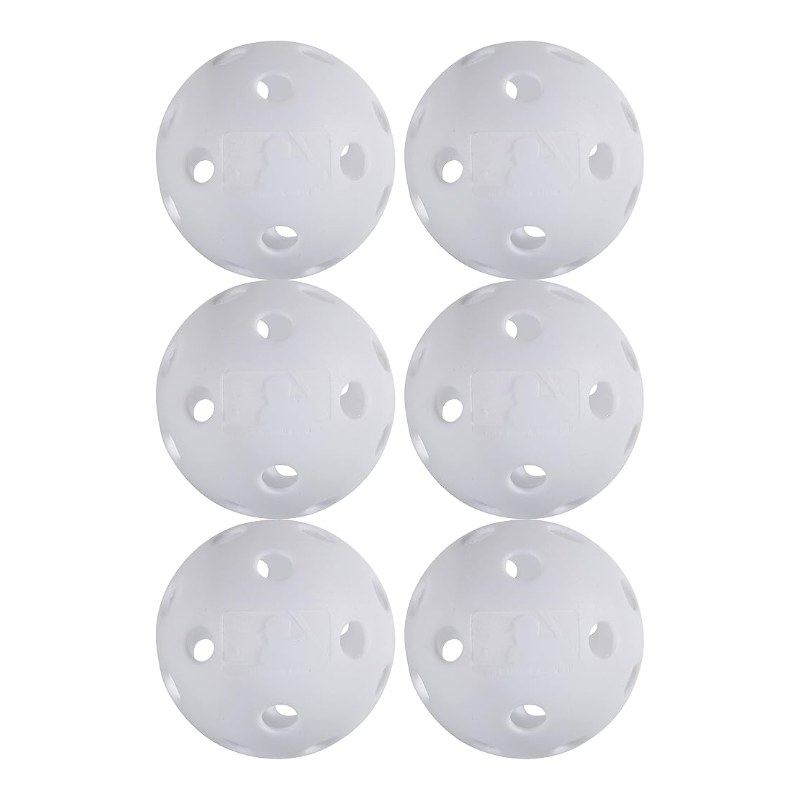
Real baseballs are best for feel, but softer training balls are safer in garages and small yards and are easier on nets. Weighted balls like the one in the PowerNet bundle are for hitting drills off a tee or soft toss, not pitching. Popper-style trainers are another option. See our TBC Toss Popper review.
Garage hitting net tips
- Use a 5×5 or 6×6 net, and keep it 2 to 3 feet off the back wall.
- Lay down a mat or carpet to protect the floor and the tee.
- Use softer training balls for younger kids to protect cars and walls.
- Check ceiling height for a full swing, at least 8 feet for most kids.
Net care and safety
- Stake the net down outdoors, so wind doesn’t flip it.
- Inspect the netting for holes before each session.
- Store it out of the sun when not in use. UV breaks netting down.
- Never stand behind the net while someone is hitting.
Pair your net with the best batting tee, a youth bat and batting gloves.
Best hitting net for kids, by age
- Ages 4 to 7: a 5×5 or 6×6 net with a tee. Young hitters spray balls, so pair the net with soft training balls. The PowerNet bundle includes the tee.
- Ages 8 to 12: a 6×6 net, like the ZONLOLO, handles tee work and soft toss as hitters start to drive the ball harder.
- Ages 13 and up: a 7×7 net gives older, stronger hitters more margin, especially for soft toss with real baseballs.
Whatever the age, the best net is the one your child will actually use, so place it where it’s easy to grab a bat and hit for 10 minutes after school.
Related guide: Working on pitching too? See the best pitching nets with strike zone.
Related: Pair your net with a batting tee and practice balls.
Got questions?
Frequently asked questions
What size hitting net do I need?
For a garage or small yard, 5×5 feet. For most backyards, 6×6 feet. For soft toss with older hitters, 7×7 feet.
Can you use real baseballs with a hitting net?
Most nets on this page handle real baseballs. Training balls are gentler on nets, walls and cars.
Is a hitting net good for practice?
Yes. With a tee or soft toss, a player can take many more swings at home than at team practice.
How far should you stand from a hitting net?
For tee work, set the tee about 7 to 10 feet from the net. For soft toss, the tosser stands to the side and slightly in front.
Can I put a hitting net in my garage?
Yes, if you have at least 8 feet of ceiling height and space behind the net. A 5×5 or 6×6 net works best.
How long do hitting nets last?
With care, usually several seasons. Storing the net out of the sun helps the netting last.
What’s the difference between a hitting net and a pitchback?
A hitting net stops batted balls. A pitchback rebounder throws balls back to you for fielding and throwing practice.
Do I need a tee with a hitting net?
For solo practice, yes. The PowerNet bundle includes one, or see our batting tee guide.
How we chose
We started with the best-selling and best-reviewed baseball nets on Amazon as of October 2026, compared size, frame, extras and price, and used Amazon’s review topics and verified buyer reviews to see what owners praise and complain about. We replaced a lower-rated net from our earlier version and picked one net for each space. We have not tested these nets in person, no brand paid for placement, and prices change often. Read our full method.

We research sports gear for players, coaches and sports parents. We compare specs, read verified buyer reviews and name one clear pick for each kind of player. How we pick · Affiliate disclosure