Updated November 23, 2026 · 6 min read
As an Amazon Associate I earn from qualifying purchases. We earn a commission when you buy through our links, at no extra cost to you. How this works.
Short on time? Our picks
AnchorsChampro ground anchor, crimped styleCheck price on Amazon →PlugsMarkwort rubber base plugs, 4-packCheck price on Amazon →Field setup · baseball and softball · 2026
Baseball base anchors: how to install them, plus plugs and strike zone mats
Baseball base anchors are the metal sleeves set in the ground that hold a base’s stem so it doesn’t slide when runners hit it. Here’s how to install base anchors step by step, why base plugs matter, the right distance between bases, and the strike zone pad used in slowpitch softball.
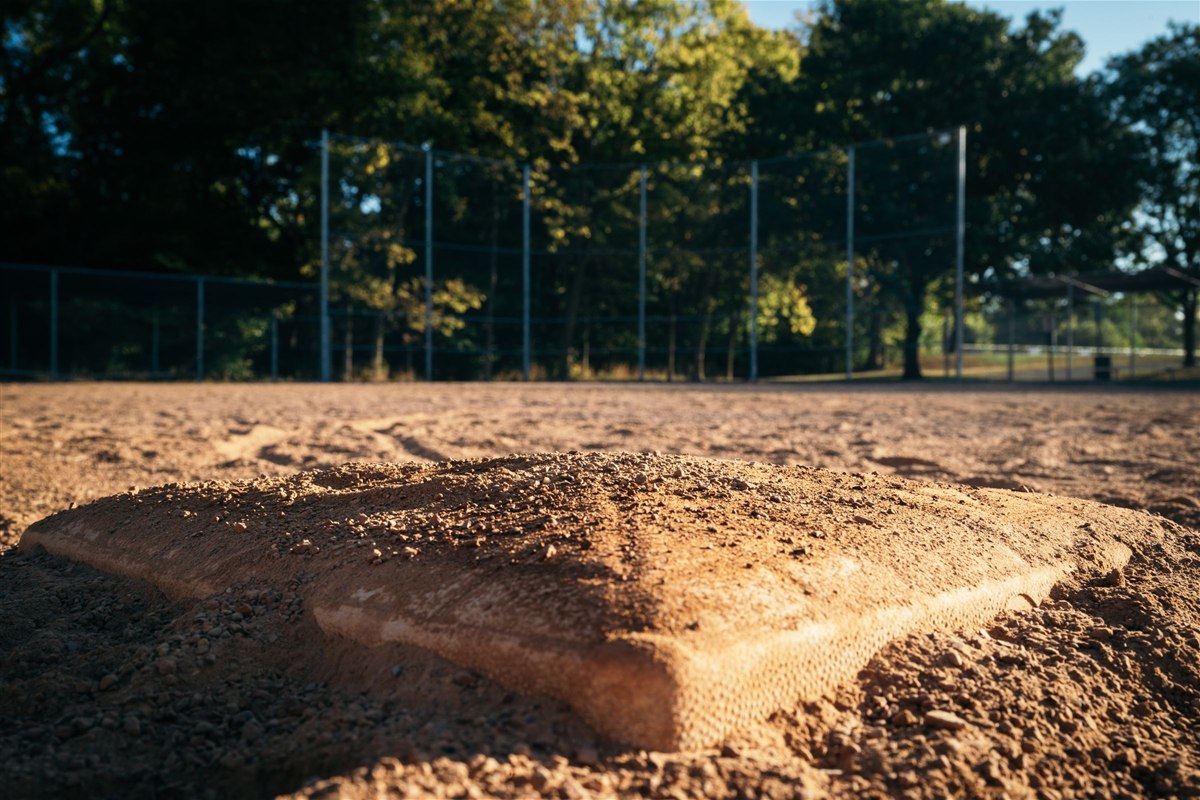
Throw-down bases are fine for the backyard, but on a real field they slide, flip and cause twisted ankles. Anchored bases stay put. A base anchor is a short metal sleeve set flush with the dirt; the base has a stem underneath that slides straight in. When the game ends, you pull the bases and push a base plug into each anchor so dirt and water stay out.
This guide is for league volunteers, coaches and parents who search for baseball base anchors, base anchor installation, baseball base plugs and strike zone mats. It covers the parts, the tools, the steps and the distances, with the gear we’d buy.
Quick answer: what you need
- AnchorsChampro ground anchor, crimped style
- PlugsMarkwort rubber base plugs, 4-pack
- Slowpitch matMarkwort Strike Zone Pad
- ToolsTape measure, mallet, small spade, level
How baseball base anchors work
A base anchor system has three parts:
- The anchor: a metal sleeve set into the ground at each base position.
- The base stem: a post under the base that slides into the anchor.
- The plug: a rubber cap that fills the anchor when the base is removed.
Anchors and stems must match. Some bases use a square stem, some round, and sizes differ by brand, so buy anchors made for your bases. The Champro anchor below is a standard crimped-style ground anchor, sold one at a time.
How to install baseball base anchors
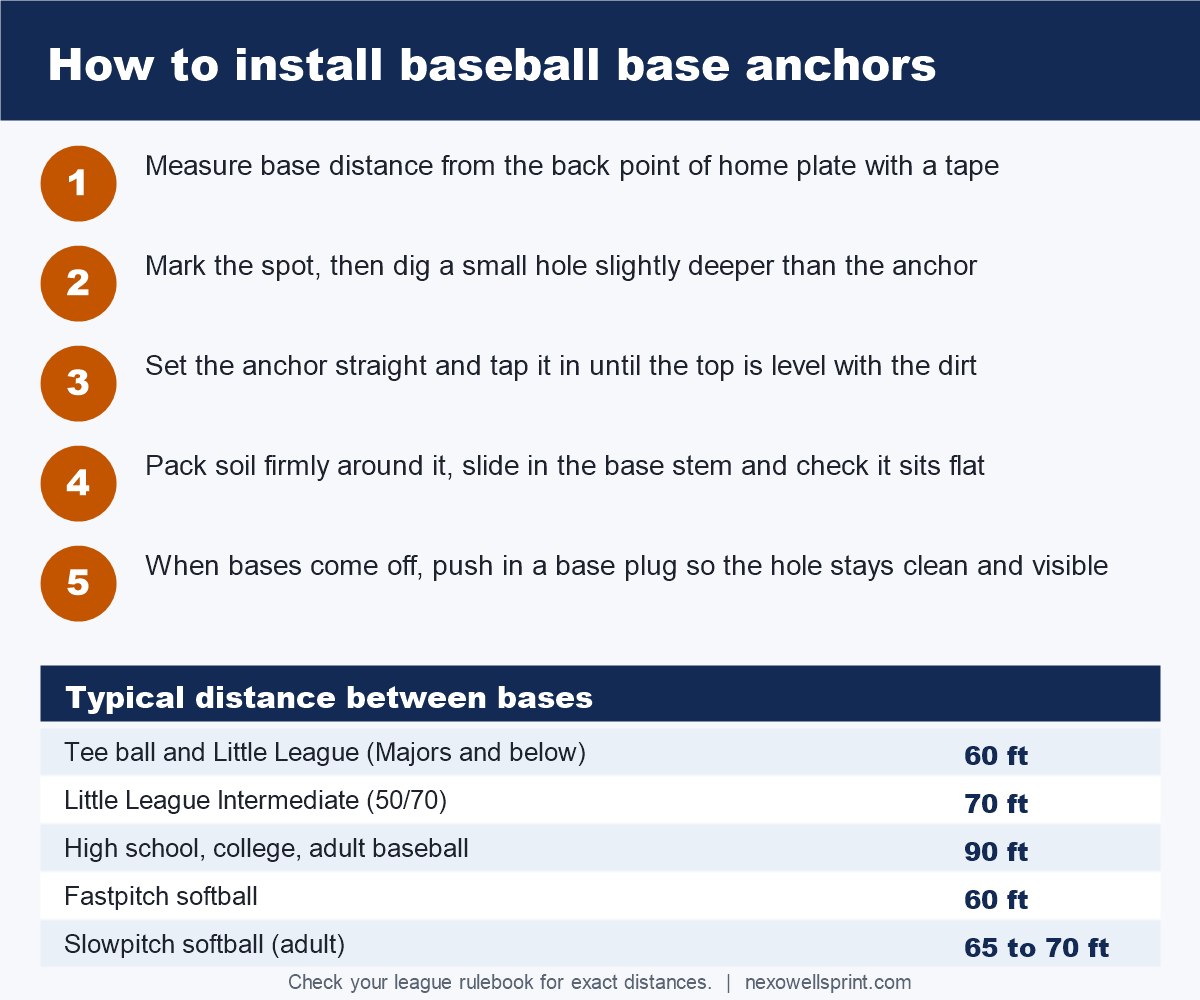
- Measure from home plate. Run a tape from the back point of home plate to find first and third base positions, then second base. Check the distance chart below for your league.
- Mark and dig. Mark each spot and dig a small hole a little deeper than the anchor.
- Set the anchor. Hold it straight and tap it with a mallet until the top sits level with the infield dirt. A small level helps.
- Pack and test. Pack soil firmly around the anchor, slide in the base stem and check the base sits flat and tight.
- Plug it. When you remove bases after games, push a base plug into each anchor.
Tip: measure twice before you set anything. Moving a set anchor is much harder than placing it right the first time.
Distance between bases
| League | Base distance |
|---|---|
| Tee ball and Little League (Majors and below) | 60 ft |
| Little League Intermediate (50/70) | 70 ft |
| High school, college and adult baseball | 90 ft |
| Fastpitch softball | 60 ft |
| Slowpitch softball (adult) | Usually 65 to 70 ft |
These are typical distances. Always check your league’s rulebook before you set anchors.
The best baseball base anchors and plugs

Champro Ground Anchor, Crimped Style
Perfect for: replacing a lost, bent or worn-out base anchor.
- SoldOne anchor per pack (buy one per base)
- StyleCrimped ground anchor
- BrandChampro
Why we picked it: It’s a simple, low-cost way to replace one anchor without buying a whole set, from a well-known field equipment brand.
Keep in mind: Check that the anchor matches your bases’ stem size and shape before ordering.

Markwort Rubber Base Plugs with Orange Bristle Indicator, 4-Pack
Perfect for: fields where bases come off after every game.
- Pack4 plugs
- FeatureOrange bristle indicator
- BrandMarkwort
Why we picked it: Plugs keep dirt, clay and water out of the anchors, and the orange bristles make the anchor easy to find when you drag the infield or set up the next game.
Keep in mind: Check the plug fits your anchor size. The fourth plug is handy for a pitching or home plate anchor, or as a spare.
Strike zone mats for slowpitch softball
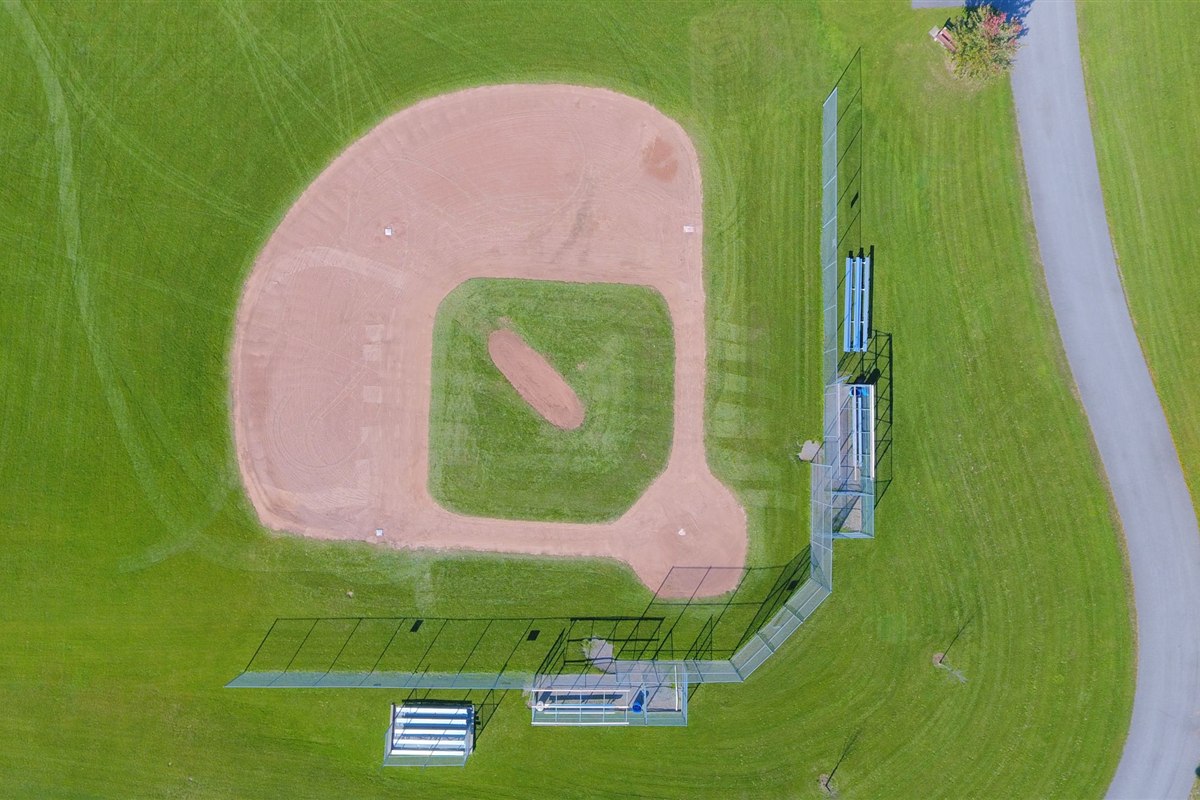
In many slowpitch softball leagues, a mat placed behind home plate helps call strikes: a pitch that lands on the plate or mat (and meets the height rules) is a strike. That’s why players search for strike zone mats and home plate extensions.

Markwort Strike Zone Pad (Home Plate Extension)
Perfect for: slowpitch softball leagues and practice fields that use a strike mat.
- TypeHome plate extension pad
- UseSlowpitch softball strike calls and practice
- BrandMarkwort
Why we picked it: It gives umpires and players a clear target behind the plate and settles a lot of “was that a strike?” arguments.
Keep in mind: Leagues set their own mat size rules, so check yours before buying.
Field gear compared
| Product | Brand | Job |
|---|---|---|
| Ground anchor, crimped | Champro | Hold the bases in place |
| Rubber base plugs, 4-pack | Markwort | Cover anchors when bases are off |
| Strike Zone Pad | Markwort | Slowpitch strike calls |
Field care tips
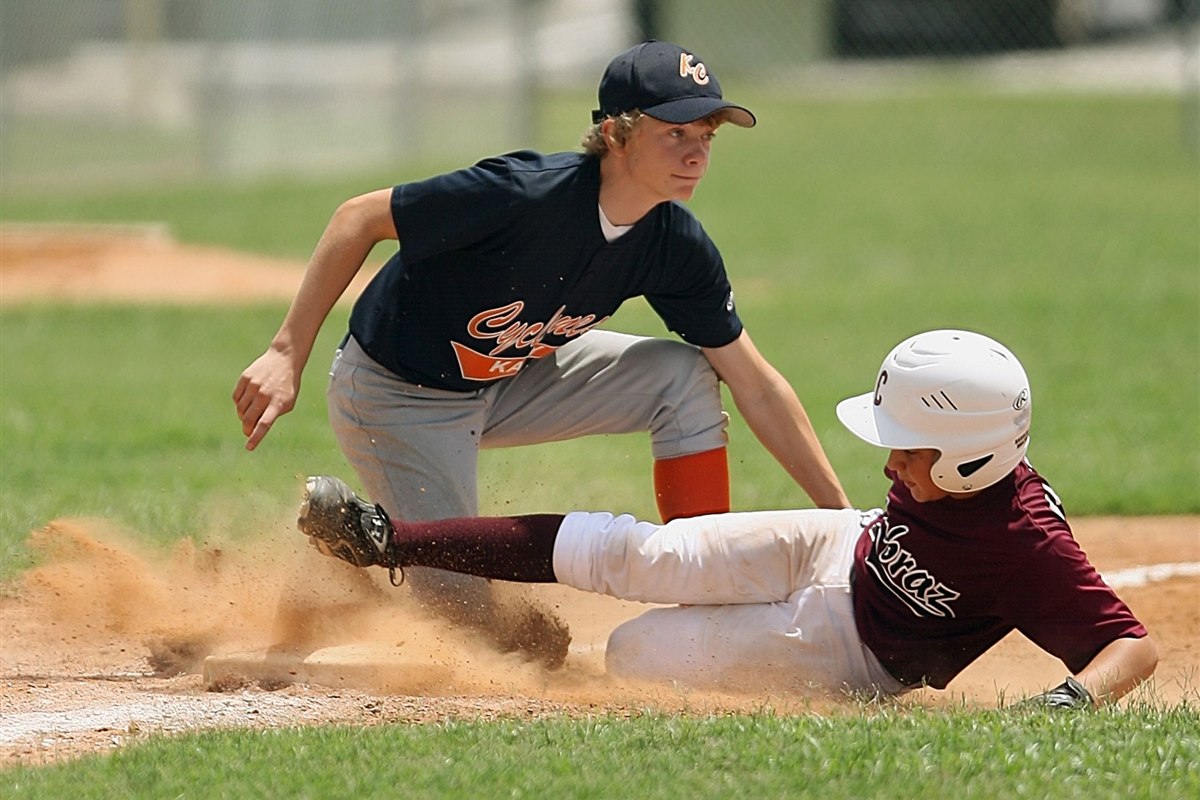
- Pull bases after games on public fields to prevent theft and wear, and plug every anchor.
- Clean anchors at the start of the season. Packed clay stops stems sliding in.
- Re-check levels after heavy rain. Anchors can shift as the infield settles.
- Keep spares. A spare plug and anchor save a game-day scramble.
Running the field on game day? See our umpire indicator guide, baseball tournament checklist and softball tournament checklist.
Baseball base anchors: frequently asked questions
How do you install baseball base anchors?
Measure from the back point of home plate, dig a small hole at each mark, set the anchor straight and level with the dirt, pack soil around it, and test-fit the base stem.
Do base anchors fit all bases?
No. Stem shapes and sizes vary by brand, so buy anchors made for your bases, such as anchors for MacGregor bases.
What are base plugs for?
They fill the anchor when bases are removed, keeping out dirt and water and making the anchor easy to find.
How far apart are the bases in Little League?
60 feet for Little League Majors and below, and 70 feet on Intermediate (50/70) fields.
What is a strike zone mat?
A mat placed behind home plate in many slowpitch softball leagues; pitches that land on the plate or mat can be called strikes, depending on league rules.
Final word
For a safe, game-ready infield, set matching base anchors, keep base plugs in them between games, and add a strike zone pad if you run slowpitch.
For official field dimensions, see Little League and USA Softball.
How we chose
We matched each product to a field setup job using each product’s listing and standard field-care practice. We do not show prices or ratings because they change often; check the current price on Amazon. How we pick products.

We research sports gear for players, coaches and sports parents. We compare specs, check maker information and owner feedback, and name one clear pick for each kind of player. How we pick · Affiliate disclosure