Updated November 24, 2026 · 9 min read
We earn a commission when you buy through our links, at no extra cost to you. How this works.
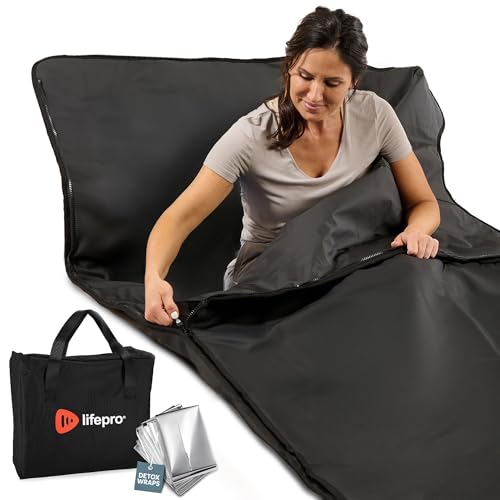
An infrared sauna blanket wraps around your body like a sleeping bag and heats you directly with infrared panels, instead of heating a whole room the way a cabin sauna does. That makes it one of the few sauna-style products that actually fits in a small apartment, for a fraction of the cost of a home sauna.
Our pick: Lifepro RejuvaWrap Infrared Sauna Blanket
You need this if: you want sauna-style heat sessions at home without the space or cost of a cabin sauna.
- Heat: adjustable infrared temperature with a wired controller
- Design: full-body wrap, zip closure
- Use: lie on top, zip up, and control heat and time from the handheld controller
Check the RejuvaWrap on Amazon →
Why people keep using it after the first week
The appeal isn’t just the sweat, it’s that a 20-minute session fits into a normal evening with no drive, no locker room, and no waiting for a sauna to heat up. Once the blanket is unrolled and the controller is set, you’re lying down within a couple of minutes.
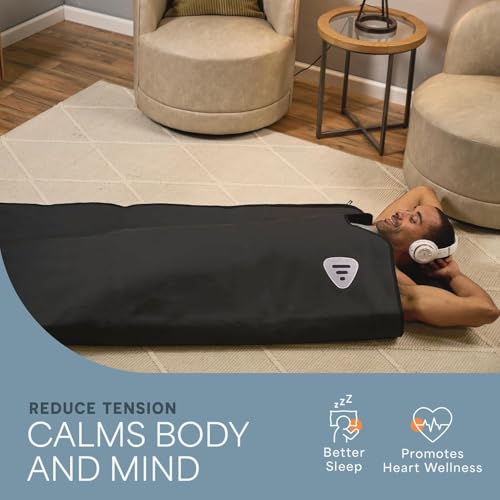
- A genuine wind-down ritual. Lying still and warm for 20-30 minutes is one of the easiest ways to build a consistent relaxation habit, since there’s nothing else to do but stay in it.
- Warms up stiff muscles before stretching. Many people use a short session before a mobility routine or foam rolling, when the heat makes tight muscles easier to work with.
- A low-effort sweat session on rest days. On days without a workout, it’s a way to still feel like you did something for your body.
- Packs away small. Unlike a sauna, it rolls or folds into a bag, so it doesn’t take up a corner of a room when you’re not using it.

Real first-impressions tips on getting the most out of a sauna blanket session.
Mistakes that make a sauna blanket session miss the mark
Most disappointing first sessions come down to setup, not the blanket itself:
- Skipping the preheat. Getting in cold and waiting to warm up inside wastes the first 10 minutes. Preheat on a flat surface first, then get in.
- No towel or mat underneath. Sweat runs off the body fast once the blanket heats up; a yoga mat or towel underneath protects floors and furniture.
- Going straight to a long, hot session. Jumping to 30 minutes at the highest setting on day one is how people end up overheated and swear off it after one try.
- Not drinking enough water before and after. A sauna blanket session can mean a genuine amount of fluid loss; rehydrating is part of the routine, not optional.
- Zipping all the way to the chin. Most guides recommend keeping your head outside the blanket the entire session for comfort and safety.
What can it actually do?
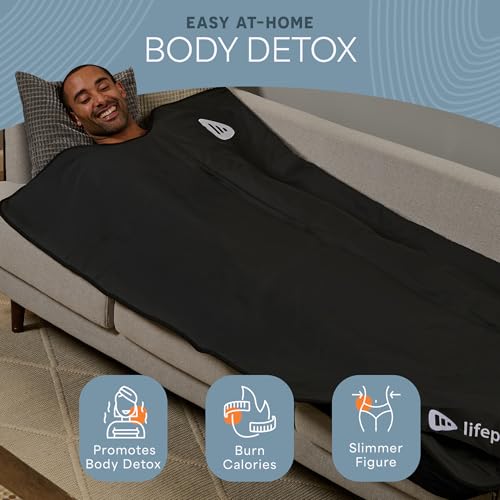
Expect relaxation, sweating and a warm-down feeling similar to a sauna, plus the general benefits linked to regular sauna-style heat sessions, like improved circulation and a sense of calm. Be skeptical of specific calorie-burn numbers some sellers advertise — sweating is water loss, not fat loss, and that weight comes back once you rehydrate. There isn’t strong evidence that a sauna blanket “detoxes” the body any more than normal sweating already does.
Think of it less as a miracle wellness device and more as a convenient way to get the same relaxation response people have gotten from heat for centuries, just without leaving the house. The temperature and humidity are different from a steam sauna (dry, direct-contact infrared heat versus hot air), but the wind-down feeling at the end of a session is very similar.
How to use a sauna blanket
- Preheat for about 10 minutes before getting in, per most manufacturer instructions.
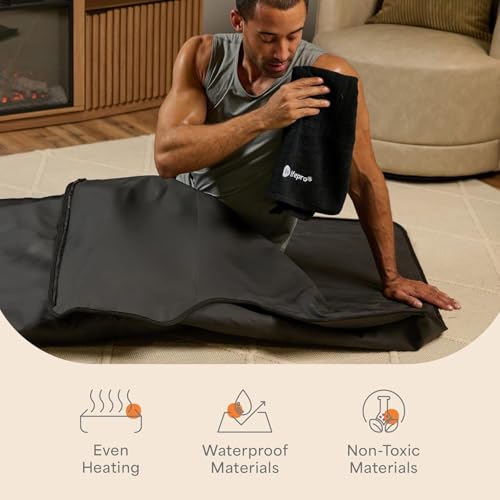
- Lie on top in light clothing or on a towel, then zip up to the level you’re comfortable with.
- Start with a lower temperature and a shorter session (10 to 15 minutes) for your first few uses.
- Keep water nearby and sip during the session.
- Build up to 20 to 30 minutes, a few times a week, once you know how your body responds.
Infrared sauna blanket vs. a traditional sauna vs. a steam room
All three use heat, but the setup, cost and experience are different:
| Option | Typical cost | Setup | Where it lives | Best for |
|---|---|---|---|---|
| Infrared sauna blanket | $150-$400 | Unroll, plug in, preheat 10 minutes | Rolls up, stores in a closet | Apartments and anyone without room for a cabin |
| Home infrared sauna cabin | $1,500-$5,000+ | Permanent install, dedicated space | Needs a spare room or garage corner | Households that will use it daily long-term |
| Gym or spa steam room | Membership or drop-in fee | None, already built | Not at home | People who don’t want to own the equipment |
A blanket is the easiest way to add regular heat sessions to a small space without the cost or commitment of a built-in sauna.
“Low EMF,” and what that actually means
Many sauna blankets, including this one, advertise “low EMF” (electromagnetic field) heating elements. Infrared heaters produce some electromagnetic field by nature, and low-EMF designs use shielding or coil arrangements that reduce it compared to unshielded heating wire.
- It’s a design feature worth having, even though research on everyday EMF exposure from household heaters is limited and not a settled safety concern at these levels.
- It doesn’t change how hot the blanket gets or how a session feels, it’s purely about the electromagnetic field the heating element gives off.
- If this matters to you, it’s worth checking a listing’s description or Q&A section for the specific EMF rating rather than taking “low EMF” at face value from marketing copy alone.
How to choose a sauna blanket
Temperature range and controller
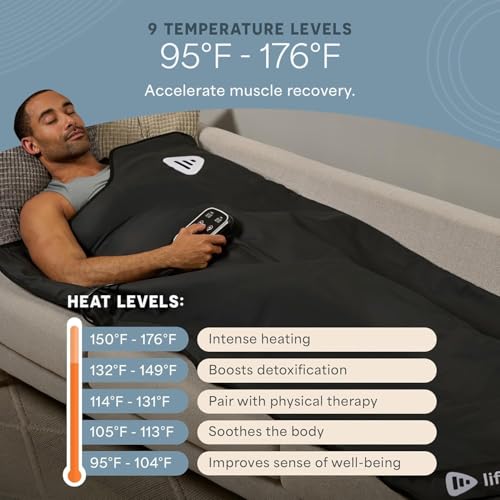
Look for a clear temperature range and an easy-to-use handheld controller, so you can adjust heat without unzipping and losing warmth.
Material and cleaning
You will sweat heavily, so a durable, wipeable interior matters. Water-repellent material and a zip closure (rather than Velcro) are both easier to keep clean over time.
Safety shut-off
An automatic shut-off or over-temperature protection is a meaningful safety feature, not a nice-to-have, since you are fully wrapped and heating for an extended period.
Keeping it clean between sessions
A sauna blanket sees more direct sweat contact than almost any other piece of home wellness gear, so a quick routine keeps it pleasant to use.
- Wipe down the interior after every session with a damp cloth once it’s cooled, since a wipeable lining is designed for exactly this.
- Air it out fully before folding it away. Packing a damp blanket into its bag is the fastest way to get a musty smell.
- Use a towel or liner for sweatier sessions so the interior itself needs less frequent deep cleaning.
- Check the controller and cord for wear every few months, since this is the one part that isn’t simply wiped clean.
Where to set it up at home
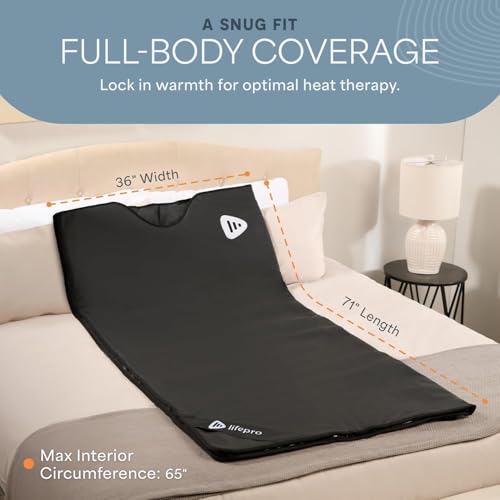
Unlike a cold plunge tub or rowing machine, a sauna blanket doesn’t need a dedicated spot, just a flat, heat-tolerant surface big enough to lie down on for the session.
- A bed, yoga mat, or carpeted floor all work, as long as there’s a towel between the blanket and anything that shouldn’t get damp.
- Near an outlet. The controller needs power for the whole session, and most guides advise against extension cords.
- Somewhere you can lie still. A session only works if you can stay put for 20-30 minutes, so a spot near the TV or a podcast queue makes it easier to actually finish.
Who should skip sauna blankets?
Pregnant people should avoid saunas, including sauna blankets, especially with any pregnancy complications. Anyone with an unstable heart condition should avoid them, and anyone with a pacemaker, insulin pump or other implanted device should check with a doctor first. Stop immediately if you feel dizzy, overheated or unwell, and never use one after drinking alcohol.
If none of those apply to you, the main thing to watch for is simply how you feel during a session: lightheadedness, a racing heart, or genuine discomfort are signs to unzip and cool down immediately, not to push through.
Sauna blankets for athletes and active recovery
Heat therapy has a long history in athletic recovery, and a sauna blanket brings the same idea home:
- Post-workout relaxation: a session after a hard training day can help muscles feel looser than they did right after finishing.
- Pairs well with cold exposure: some athletes alternate sauna-style heat with a cold plunge or cold shower as a contrast-therapy routine.
- A consistency tool, not a shortcut: like any recovery habit, the benefit comes from using it regularly, not from one long session before a big event.
- Skip it right before or after lifting heavy, since significant heat exposure right around a max-effort session isn’t something most guides recommend.
Got questions?
Frequently asked questions
Do infrared sauna blankets really burn calories?
The sweat you lose is water weight, not fat, and it returns once you rehydrate. Treat any specific calorie claims on the listing as marketing rather than established fact.
How long should you stay in a sauna blanket?
Most guides suggest 10 to 30 minutes, a few times a week, starting shorter and lower-temperature for your first sessions.
Are infrared sauna blankets safe?
For most healthy adults, yes, when used as directed with shut-off features and reasonable session lengths. Pregnant people and anyone with a heart condition or implanted device should check with a doctor first.
See more recovery gear in our shop, or browse the full sports gear shop.
Can two people share a sauna blanket?
No, these are built for one person at a time, sized to wrap around a single body for an even heat seal. Each person should use their own session.
Does it help with soreness after a workout?
Many people find the heat relaxing on tired muscles, similar to a warm bath or traditional sauna, though it works through warmth and relaxation rather than any special recovery mechanism unique to infrared.
How much space does it need to store?
Most fold or roll down to about the size of a rolled yoga mat or a small duffel bag, small enough for a closet shelf or under a bed.
Can you lose weight with a sauna blanket?
Not in any lasting way from the session itself. The scale drop right after a session is water weight that returns as soon as you rehydrate. Any real fat loss still comes down to diet and activity over time, the blanket is a recovery and relaxation tool, not a weight-loss device.
What temperature should a beginner start at?
Most guides suggest starting in the 110-120°F range for your first few sessions, then working up toward the higher end of the blanket’s range only once you know how your body responds to a full session.

We research sports gear for players, coaches and sports parents. We compare specs, check maker information and owner feedback, and name one clear pick for each kind of player. How we pick · Affiliate disclosure