Updated November 24, 2026 · 3 min read
As an Amazon Associate, Nexo WellSprint earns from qualifying purchases. How this works.
Jump rope is one of the cheapest, smallest pieces of cardio equipment you can own, but a weighted version changes the workout in a real way. Adding weight to the handles turns a simple skipping session into something closer to a light upper-body and conditioning workout, which is why trainers keep recommending them for short, intense intervals.
Here’s how a weighted jump rope like the Redify Weighted Jump Rope differs from a standard speed rope, and how to pick the right weight.
What makes a jump rope “weighted”
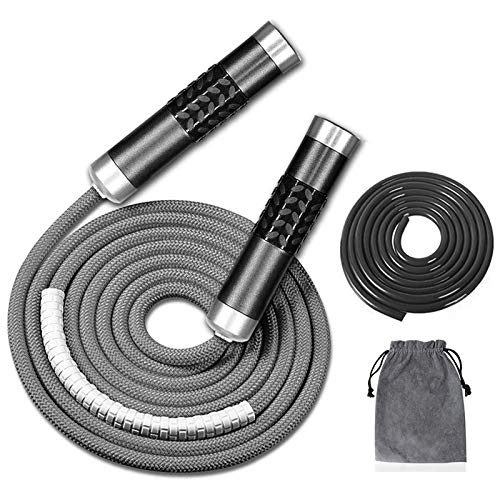
On a weighted jump rope, the weight sits in the handles, not the cable itself. That’s an important distinction: the rope stays thin and fast, but every swing now takes noticeably more shoulder, forearm and wrist effort than a standard speed rope. Trainers point to better endurance, coordination and whole-body engagement as the main benefits over a plain rope.
Key specs
- Handle weight: 1 lb per the Redify listing
- Rope: tangle-free ball-bearing swivel, adjustable length
- Materials: aluminum handles, cotton-wrapped PVC rope
- Good for: MMA/boxing conditioning, HIIT intervals, general cardio
Pros and cons
Why we like it:
- Ball-bearing swivels mean it spins smoothly and doesn’t tangle mid-set the way cheap ropes do
- Adjustable length fits a wide range of heights without buying a second rope
- Noticeably more upper-body engagement than a standard speed rope, in a package that still fits in a gym bag
Keep in mind:
- Heavier handles are harder on the wrists and forearms — beginners should start light and build up tolerance
- It’s a conditioning tool, not a replacement for dedicated strength training
- Shorter sessions (10-20 minutes) at real intensity tend to work better than long, slow sets
How to pick the right weight and length
- Start light if you’re new to weighted ropes. Around a quarter to half a pound in the handles is a common beginner starting point; 1-2 lb suits short, intense conditioning intervals once you’re used to it.
- Size the rope to your height. A simple rule many trainers use is roughly three feet longer than your height — when in doubt, buy a rope you can trim down rather than one that’s already too short.
- Confirm the weight is in the handles, not the cable, if your goal is upper-body conditioning rather than just cardio.
- Keep sessions short and intense rather than long and slow — 10-20 minutes of real work is usually plenty.
Got questions?
Frequently asked questions
Will a weighted jump rope build muscle?
It’s primarily a conditioning and coordination tool. It will fatigue your forearms and shoulders, but it isn’t a substitute for dedicated strength training.
Is 1 lb too heavy for a beginner?
It’s on the moderate side. If you’ve never used a weighted rope before, expect your forearms to fatigue faster than with a standard rope — shorten your sets rather than stopping altogether.
How do I size the rope correctly?
Stand on the middle of the rope; the handles should reach roughly to your armpits. Many weighted ropes, including this one, have an adjustable length so you can fine-tune it.
Redify Weighted Jump Rope
You need this if: you want a tougher cardio and conditioning tool than a standard speed rope, without a big piece of equipment to store.
- Weight: 1 lb handles
- Swivel: ball-bearing, tangle-free
- Length: adjustable
The adjustable length and smooth ball-bearing swivel make it easy to dial in, and the aluminum handles hold up to regular MMA/boxing-style conditioning work.
Why we like it:
- Tangle-free, smooth spin
- Adjustable to your height
Keep in mind:
- Start light if you’re new to weighted ropes
Find more conditioning and home-gym gear in our sports and fitness shop.

We research sports gear for players, coaches and sports parents. We compare specs, check maker information and owner feedback, and name one clear pick for each kind of player. How we pick · Affiliate disclosure