Updated November 24, 2026 · 3 min read
As an Amazon Associate, Nexo WellSprint earns from qualifying purchases. How this works.
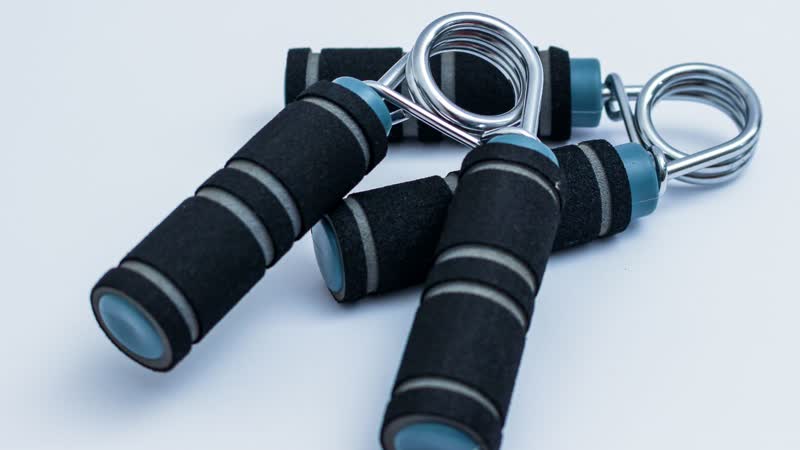
Grip strength is one of those things nobody trains until a heavy deadlift, a climbing session or a stubborn jar lid reminds them it matters. A grip strengthener is a small, cheap way to build it on purpose, and a 5-piece adjustable-resistance set like the FitBeast Grip Strengthener lets you progress instead of outgrowing a single fixed-resistance gripper.
Here’s how grippers work, how to use them properly, and what to look for before buying one.

Who needs a grip strengthener
Climbers, lifters chasing a bigger deadlift, racquet-sport players, and anyone who’s noticed their hands tire out before the rest of their body all benefit from dedicated grip work. Research on grip training is clear about one thing: results are specific to the type of grip you train (crush, pinch or support), so a well-rounded set that trains different resistance levels matters more than any single “max strength” gripper.
Key specs
- Set size: 5 grippers
- Resistance: adjustable across the set
- Type: coil/spring-style crushing grippers
- Material: non-slip handles
Pros and cons
Why we like it:
- A 5-piece set with a range of resistances means you can progress over months instead of being stuck at one fixed level
- Cheap, small and genuinely portable — it works at a desk, on a couch or while traveling
- No technique learning curve: squeeze, control the release, repeat
Keep in mind:
- Crushing grippers mainly train one type of grip strength — they won’t directly build pinch or support grip the way climbing or farmer’s carries do
- Going too heavy too soon can strain tendons; build up gradually rather than grabbing the hardest gripper first
- It’s a supplement to other training, not a replacement for compound lifts or sport-specific grip work
How to use a grip strengthener properly
- Warm up first. Don’t start cold with your hardest-resistance gripper.
- Judge your starting resistance honestly. A gripper that’s too light won’t stimulate real strength gains; one that’s too heavy to close safely isn’t useful either.
- Keep your pinky engaged and squeeze through the full range of motion, not just a partial close.
- Train the open phase too. Controlling the release works the opposing muscles and is often skipped.
- Progress through the set over weeks, not days — grip tendons adapt more slowly than you’d expect.
Got questions?
Frequently asked questions
How often should I train grip strength?
A few short sessions a week is plenty to start — grip muscles and tendons need recovery time like any other muscle group.
Will this help my deadlift?
It can help as a supplement, but crushing-grip training targets a different pattern than the support grip used in a deadlift hold. Combine it with dead hangs or farmer’s carries for a more complete approach.
Is one gripper enough, or do I need the full set?
A set with multiple resistance levels lets you keep progressing as you get stronger, rather than plateauing on a single fixed gripper.
FitBeast Grip Strengthener (5-Pack)
You need this if: you want a cheap, portable way to build crushing grip strength and progress through resistance levels over time.
- Pieces: 5 grippers
- Resistance: adjustable range
- Handles: non-slip
The 5-piece set covers a wide resistance range, so you’re not stuck re-buying grippers as you get stronger.
Why we like it:
- Room to progress over months
- Compact and portable
Keep in mind:
- Build up resistance gradually
Find more strength and conditioning gear in our sports and fitness shop.

We research sports gear for players, coaches and sports parents. We compare specs, check maker information and owner feedback, and name one clear pick for each kind of player. How we pick · Affiliate disclosure