Updated October 29, 2026 · 7 min read
We earn a commission when you buy through our links, at no extra cost to you. How this works.
Short on time? Our picks
 Best overallTriggerPoint GRID 1.04.7★, 23,000+ ratingsCheck price on Amazon →
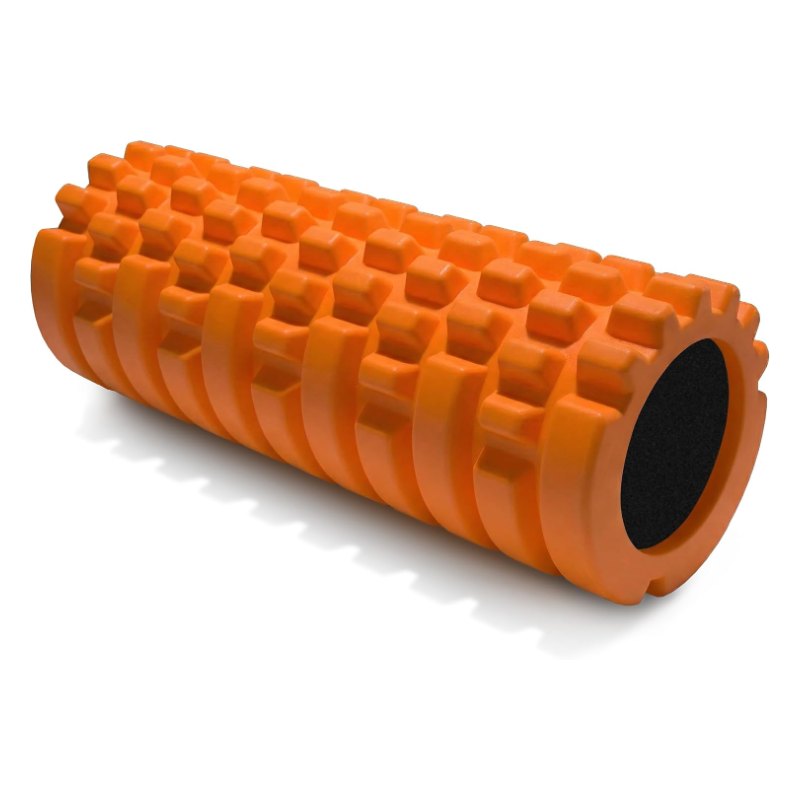 Best textured321 Strong 3-zone roller42,000+ ratingsCheck price on Amazon →
Recovery · 2026
The best foam rollers
A foam roller is the cheapest recovery tool in fitness. A few minutes of rolling before or after a workout can ease tight calves, quads, glutes and upper back, and it is one of the simplest ways to feel looser after long days at a desk.
We compared the best-selling foam rollers on Amazon on density, surface, size, durability and what tens of thousands of buyers say. Below is one clear roller for each need, plus a beginner routine and how to roll your back safely.
Quick answer: the best foam rollers
- Best overallTriggerPoint GRID 1.0 · 4.7★, 23,000+ ratings
- Best textured321 Strong 3-zone roller · 42,000+ ratings
- Best firm roller for backProsourceFit high-density roller · 18 x 6 in
- Best budgetAmazon Basics 18 in roller · smooth, high density
If you want one answer: buy the TriggerPoint GRID 1.0. It is the foam roller many physical therapists and trainers use. The multi-density GRID surface mimics the fingers, palm and thumb of a massage therapist, it keeps its shape for years, and its 13-inch length fits in a gym bag. Buyers praise its performance, pain relief, size and firmness.
Pick by need
TriggerPoint GRID
A durable, medium-firm roller with a textured surface that works on legs, glutes and back.
321 Strong
Three textured zones that dig into tight spots, like a massage with thumbs and fingers.
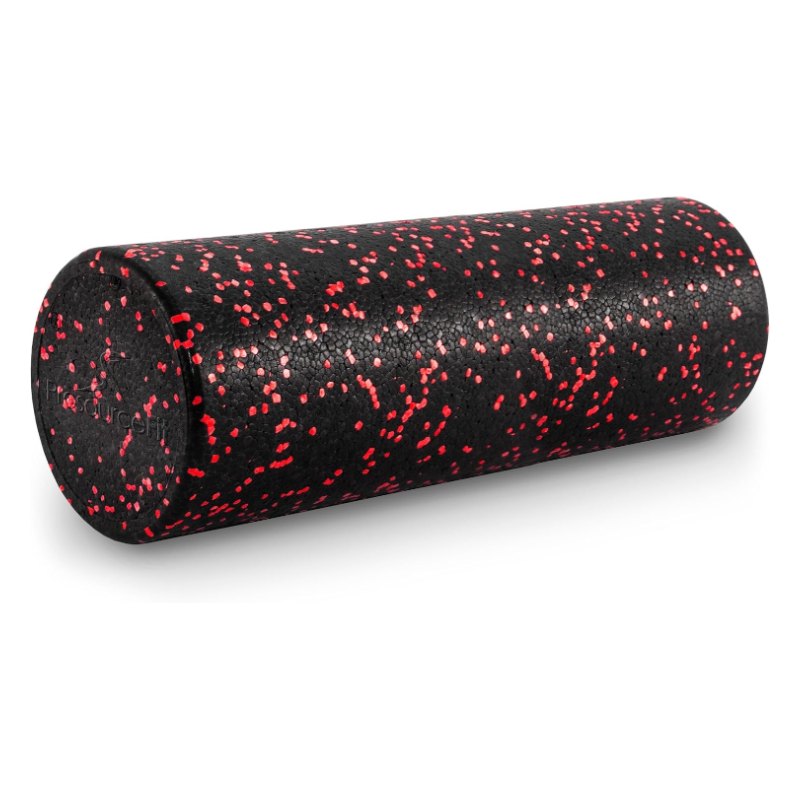
ProsourceFit firm
An 18-inch firm roller long enough to lie across for upper back and thoracic extension.
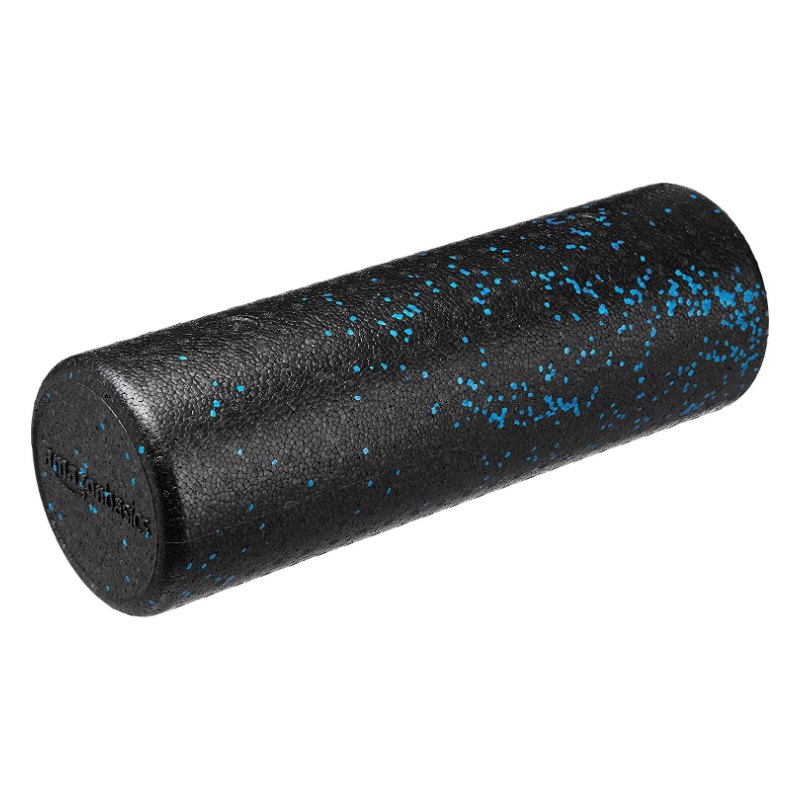
Amazon Basics
A smooth, gentler roller for beginners, stretching and balance exercises.
The best foam rollers, reviewed
TriggerPoint GRID 1.0 Foam Roller
You need this if: you want one durable, versatile roller for all your muscles.
- Length13 in
- SurfaceMulti-density GRID
- CoreHollow, keeps its shape
- Ratings4.7★, 23,000+
Why we recommend it: It has the highest rating of the popular rollers. Buyers mention performance, pain relief, value, size and firmness most. The hollow core means it will not flatten like cheap foam, and the 3D surface gives targeted pressure without being harsh.
Keep in mind: At 13 inches it is short for lying across your upper back. Choose an 18-inch roller for that.
321 Strong 3-Zone Foam Roller
You need this if: you have knots and tight spots that smooth rollers do not reach.
- DensityMedium
- Surface3 textured zones
- Ratings4.5★, 42,000+
- Buyers likePain relief, sturdiness
Why we recommend it: It is one of the most popular textured rollers. Buyers mention pain relief, effectiveness, sturdiness and durability most. The ridges and nubs dig into tight spots, and the three zones let you choose more or less pressure.
Keep in mind: Firmness is mixed in reviews: some find it too hard at first. Start with short, gentle sessions.
ProsourceFit High-Density Firm Foam Roller
You need this if: you want a long, firm roller for your upper back and big muscles.
- Size18 x 6 in
- MaterialHigh-density EPP
- FeelFirm
- Ratings4.6★, 21,000+
Why we recommend it: An 18-inch roller is long enough to lie across for upper back rolling and thoracic extensions. Buyers praise its quality, back pain relief, value and durability. Firm EPP foam keeps its shape.
Keep in mind: Firm rollers can be intense for beginners. The Amazon Basics roller is gentler.
Amazon Basics High-Density Foam Roller (18 in)
You need this if: you want a simple, low-cost roller for stretching, balance and gentle rolling.
- Length18 in
- SurfaceSmooth
- MaterialPolypropylene foam
- Ratings4.6★, 32,000+
Why we recommend it: It is a smooth, affordable roller that works for gentle rolling, stretching and balance exercises. Buyers praise pain relief, value, usefulness and durability.
Keep in mind: Firmness and size are mixed in reviews. Smooth rollers are less effective on deep knots.
Foam rollers compared
| Roller | Best for | Feel | Rating |
|---|---|---|---|
| TriggerPoint GRID | Most people | Medium, textured | 4.7★ (23,000+) |
| 321 Strong | Knots | Medium, very textured | 4.5★ (42,000+) |
| ProsourceFit firm | Upper back | Firm, smooth | 4.6★ (21,000+) |
| Amazon Basics | Beginners | Smooth | 4.6★ (32,000+) |
Ratings were checked on Amazon in October 2026. Prices change often.
How to foam roll: a 10-minute beginner routine
Roll slowly, about an inch per second, for 30 to 60 seconds per area. Pause on tight spots for a few breaths, but never roll over pain that feels sharp.
- Calves: sit with the roller under your calves and lift your hips.
- Hamstrings: roll the back of the thighs from knee to hip.
- Quads: lie face down with the roller under the front of the thighs.
- Glutes: sit on the roller, cross one ankle over the other knee and lean into that side.
- IT band area: lie on your side, using your arms and top leg to control pressure.
- Upper back: lie across the roller with hands behind your head and roll from mid-back to shoulders.
 ▶ Beginner Foam Rolling Exercises
Got ROM shows simple foam rolling exercises for beginners, muscle by muscle. The video loads from YouTube only when you press play.
How to foam roll your back safely
Roll the upper and mid-back with the roller across your spine, supporting your head with your hands. For the lower back, avoid rolling directly over it, because there is no ribcage to protect the spine there. Instead, roll the glutes and hips, which often cause lower back tightness. If you have back pain that lasts or spreads down a leg, see a doctor or physical therapist. This guide is not medical advice.
Thoracic extension with a foam roller
Lie with an 18-inch roller across your upper back, hands behind your head and hips on the floor. Gently arch back over the roller, then return. Move the roller an inch up or down and repeat. This helps people who sit hunched over a desk feel more open through the chest and upper back.
How to choose a foam roller
Density
Soft rollers suit beginners and sensitive areas. Firm rollers give deeper pressure and last longer. Medium density works for most people.
Surface
Smooth rollers give even pressure. Textured rollers dig into knots but feel more intense.
Length
13 to 14 inches is portable and good for legs. 18 inches or longer is better for the upper back and balance exercises. 36-inch rollers are for Pilates and full-spine work.
Foam rolling for runners
Runners usually feel tightness in the calves, quads, hamstrings and hips. A short rolling session after easy runs and a longer one on rest days keeps legs feeling fresh. Many runners keep a 13-inch roller like the TriggerPoint GRID by the door so it is easy to use straight after a run.
Foam rolling for desk workers
Sitting all day tightens the hips, glutes and upper back. Five minutes in the evening, rolling the upper back, glutes and the front of the hips, can help you feel less stiff. Combine it with standing up and moving every hour for the best results.
Common foam rolling mistakes
- Rolling too fast: slow down so muscles can relax.
- Staying on one spot too long: 20 to 30 seconds on a tight spot is plenty.
- Rolling the lower back directly: roll the glutes and hips instead.
- Holding your breath: breathe slowly to help muscles let go.
- Rolling over joints or bones: stay on the soft muscle.
How to clean and store a foam roller
Wipe the roller with a damp cloth and mild soap after sweaty sessions, let it dry and store it away from direct sun and heat, which can make foam crumble over time.
Foam roller vs massage gun
A foam roller covers big areas and also helps mobility, for very little money. A massage gun targets small, specific spots with less effort. Many people use a roller for a full-body warm-up and a massage gun for stubborn knots.
Build your recovery and home workout kit with a yoga mat, resistance bands and a massage gun. Foam rollers are also popular gifts for runners.
Related guide: Looking for more recovery options? See the best vibration plates.
Related: Add balance work with our best balance boards.
Got questions?
Frequently asked questions
What is the best foam roller?
For most people, the TriggerPoint GRID 1.0. It is durable, has a multi-density textured surface and 4.7 stars from more than 23,000 buyers.
What is the best foam roller for back pain?
An 18-inch firm roller like the ProsourceFit for the upper back. Avoid rolling directly on the lower back and see a doctor for ongoing pain.
What is the best foam roller for legs?
A textured roller like the TriggerPoint GRID or 321 Strong for calves, quads, hamstrings and glutes.
Should I foam roll before or after a workout?
Both work. Roll briefly before to warm up, and longer after to help with stiffness.
How long should you foam roll?
About 30 to 60 seconds per muscle, for a 5 to 10 minute session.
Is a firm or soft foam roller better?
Beginners usually prefer soft or medium. Firm rollers give deeper pressure once you are used to rolling.
Can you foam roll every day?
Yes, short daily sessions are fine for most people. Avoid bruises and injured areas.
Is foam rolling supposed to hurt?
It can feel uncomfortable on tight spots, but it should never feel sharp or make pain worse.
How we chose
We compared the best-selling and best-reviewed foam rollers on Amazon in October 2026. We looked at density, surface, length, durability and price, and read Amazon’s review topics and verified buyer reviews to see what buyers praise and complain about. We picked one roller for each need. We have not tested these rollers in person, no brand paid for placement, and prices change often. This guide is not medical advice. Read our full method.

We research sports gear for players, coaches and sports parents. We compare specs, read verified buyer reviews and name one clear pick for each kind of player. How we pick · Affiliate disclosure