Updated November 14, 2026 · 9 min read
Photos in this guide are example photos of each product type, not the exact item. Check the Amazon listing to see the actual product.
We earn a commission when you buy through our links, at no extra cost to you. How this works.
Short on time? Our picks
Best for women (figure)Jackson Ultima Finesse women’s figure skatelearn-to-skate bladeCheck price on Amazon →Best for men (figure)Jackson Ultima Finesse men’s figure skatesame beginner bladeCheck price on Amazon →Winter skating · 2026
The best ice skates for adult beginners
Learning to skate as an adult is easier in the right skate. Rental skates are often soft, dull and the wrong size, which is why so many first sessions end clinging to the boards.
Below are three beginner-friendly skates (two figure skates and one recreational hockey skate), plus how to choose between figure and hockey, how they should fit, and what to do before your first time on the ice.
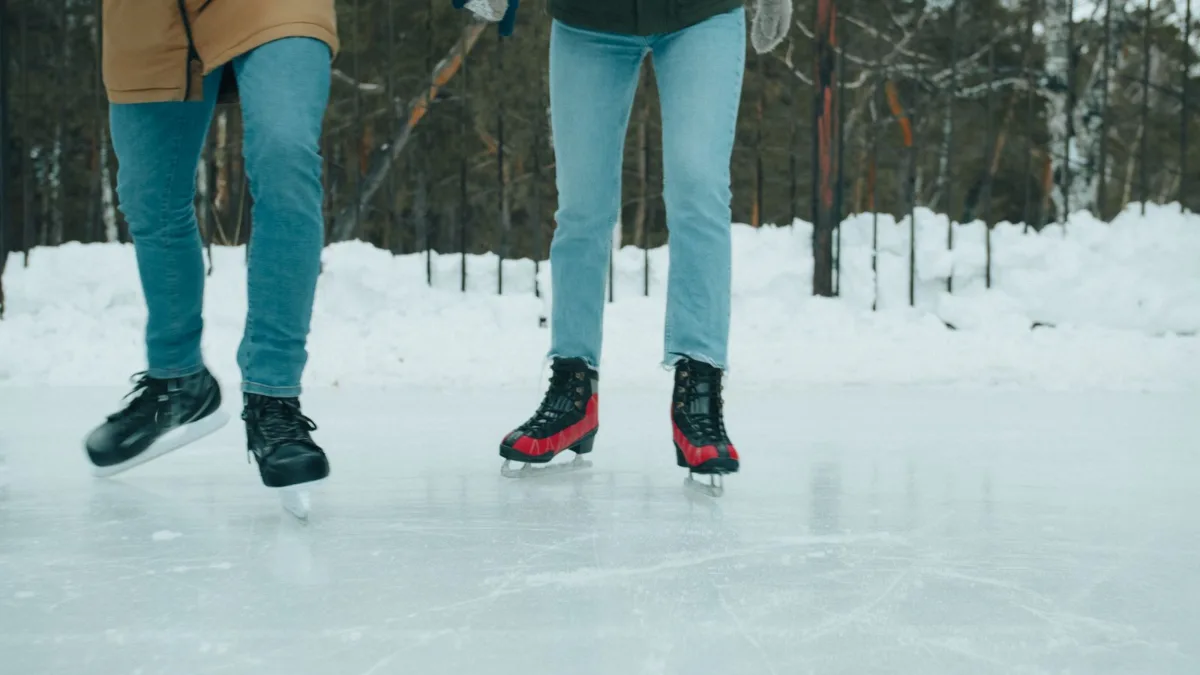
Quick answer: the best ice skates for adult beginners
- Best for women (figure)Jackson Ultima Finesse women’s figure skate · learn-to-skate blade
- Best for men (figure)Jackson Ultima Finesse men’s figure skate · same beginner blade
- Best hockey-style skate5th Element Stealth recreational hockey skate · fits like your shoe size
If you want one answer: most adult beginners should start on a figure skate, like the Jackson Ultima Finesse. The longer blade and toe pick make balance easier, and the Finesse uses Jackson’s Mark I blade, which is made for learn-to-skate programs. If you mainly want to play pond hockey or skate fast with friends, choose the 5th Element Stealth instead.
Beginner skates at a glance
| Skate | Style | Best for |
|---|---|---|
| Jackson Finesse (women) | Figure, recreational | Women learning to skate, lessons, public sessions |
| Jackson Finesse (men) | Figure, recreational | Men who want the most stable start |
| 5th Element Stealth | Hockey, recreational | Pond skating, pick-up hockey, faster skating |
Prices change often, so we don’t list them. Buying for a child? See our kids ice skates guide, which covers adjustable skates that grow with them.
Figure skates or hockey skates for adult beginners?
This is the first decision, and it matters more than the brand.
- Figure skates have a longer, flatter blade with a toe pick at the front. More blade on the ice means more stability, which is why most learn-to-skate programs start adults on figure skates. The toe pick takes a little getting used to: don’t lean too far forward.
- Hockey skates have a shorter, more curved blade and no toe pick. They turn and stop quickly and feel faster, but they rock more front to back, so balance is harder on day one.
Pick figure skates if you want to learn to skate well, take lessons, or skate at public sessions. Pick hockey skates if your goal is pond hockey, adult learn-to-play hockey, or keeping up with friends who play. Either way, a recreational model is the right level: stiff competition boots are too hard for beginners to flex.
The best ice skates for adult beginners in detail

Jackson Ultima Finesse Women’s Figure Skate
You need this if: you’re a woman learning to skate, starting lessons, or tired of rental skates at public sessions.
- LevelRecreational, medium support
- BladeMark I stainless steel
- UpperReinforced vinyl-coated, padded lining
- TonguePadded felt
Why we recommend it: Jackson is one of the best-known figure skate makers, and the Finesse is its entry recreational line. The Mark I blade is made for learn-to-skate programs, and the medium support gives a beginner’s ankles more help than a soft rental boot without being stiff.
Keep in mind: Sizing is the most common issue. Figure skates usually fit differently from street shoes, so check Jackson’s size chart on the listing before you order (the listing notes narrow feet may need a half size smaller). It’s a beginner skate: if you start jumping, you’ll outgrow it.

Jackson Ultima Finesse Men’s Figure Skate
You need this if: you’re a man learning to skate and want the most stable, beginner-friendly start.
- LevelRecreational
- BladeMark I stainless steel
- UpperReinforced vinyl-coated
- ColorBlack
Why we recommend it: It is the men’s version of the same entry skate, with the same learn-to-skate blade. Many men assume they need hockey skates, but a figure skate’s longer blade is simply easier to balance on while you learn to glide, stop and turn.
Keep in mind: The linked listing may open on one size; choose your size on the page and check the size chart. If your real goal is hockey, skip this and get the 5th Element below.

5th Element Stealth Recreational Ice Hockey Skates
You need this if: you want to skate on ponds and outdoor rinks, join pick-up hockey or an adult learn-to-play program.
- FitListed to fit like your shoe size
- SizesMen’s 6 to 13
- BladeStainless steel
- Warranty2 years (per listing)
Why we recommend it: It is built for recreational skaters, not elite players, so it is more comfortable and forgiving than a stiff performance hockey boot. The listing says it fits like your shoe size, which removes much of the sizing guesswork, and it adds ankle padding, heel support and a moisture-resistant liner.
Keep in mind: The listing gives a 205 lb maximum weight, so heavier skaters should look at a sturdier boot. Hockey blades are less stable than figure blades on day one; expect a few more falls while you learn.
How ice skates should fit
A good fit is the difference between a fun first session and sore, wobbly ankles. Skates should feel snugger than a sneaker.
- Heel locked in: when you stand and bend your knees, your heel should not lift inside the boot.
- Toes just touching: your toes may lightly touch the front when standing straight, and pull back slightly when you bend your knees.
- No side pressure points: snug is good; pinching is not. Pain on the sides usually means the wrong width.
- Thin socks: wear one thin pair of socks, not thick ski socks. Thick socks make the boot loose and cold feet colder.
- Don’t size up “to grow into”: that only works for kids, and even then not by much. Adults should buy the size that fits now.
- Check the chart: figure skate brands often size differently from street shoes, while some recreational hockey skates are made to match your shoe size. Always use the size chart on the listing.
How to lace ice skates for beginners
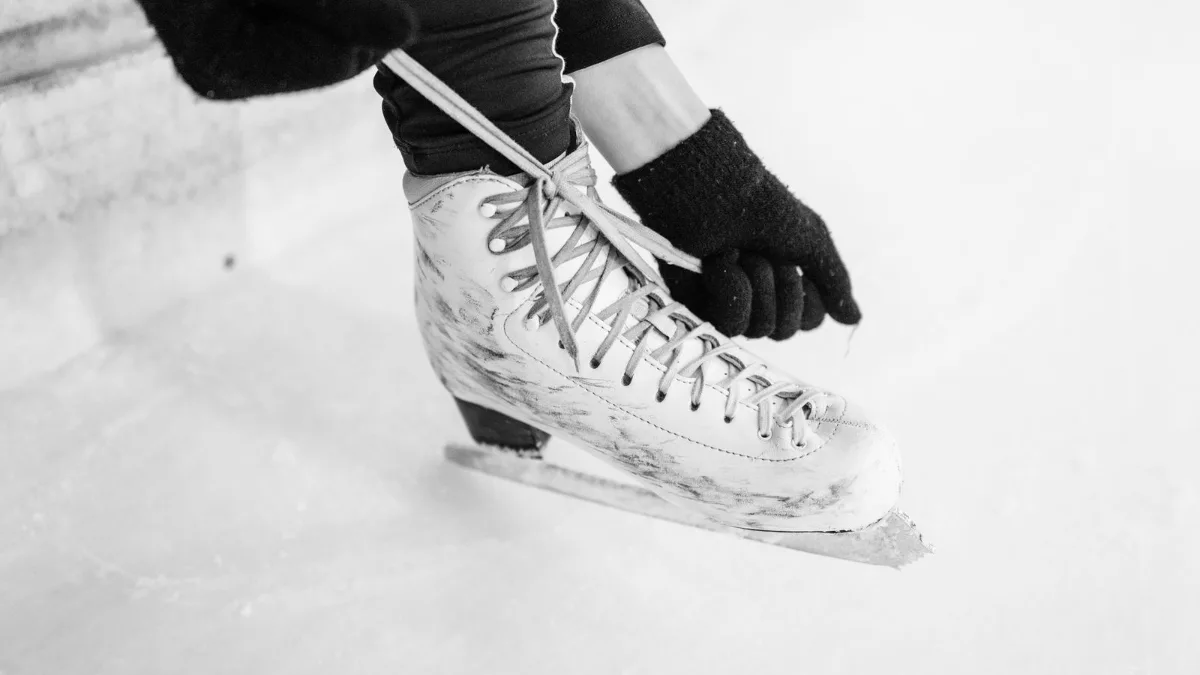
- Loosen the laces fully and pull the tongue forward before putting your foot in.
- Kick your heel back into the heel pocket, then pull the tongue up straight.
- Lace the toe area snug but not tight, so your toes can move.
- Pull the middle (over the instep and ankle bend) the tightest. This is where your support comes from.
- Lace the top hooks a little looser, so you can bend your knees. You should be able to slide one finger between your leg and the top of the boot.
If your ankles fold inwards after a few minutes, stop and re-tighten the middle section before blaming the skates.
Before your first time on the ice
- Check the blades are sharp. Some new skates arrive ready to use, others need a first sharpening. A rink pro shop can check and sharpen them in a few minutes.
- Wear the skates at home. With blade guards on, wear them on carpet for 20 to 30 minutes a few times to start breaking in the boots.
- Bring guards and a towel. Hard guards for walking off the ice, a towel to dry the blades, and soft covers (soakers) for storage stop rust.
- Dress for falling. Gloves, flexible layers and padded shorts or knee pads help. Many adult learn-to-skate programs recommend a helmet; a ski or multi-sport helmet is better than nothing.
- Take a lesson. Most rinks run adult learn-to-skate classes. One or two lessons on how to fall, get up and stop will make you safer fast.
Should adults rent or buy ice skates?
If you’ll skate only once or twice a year, renting is fine. If you plan to skate more than four or five times a season, or take lessons, buying usually makes sense. Your own skates fit the same every time, are sharpened when you choose, and help you improve faster than worn rental boots that change every visit.
How to care for your skates
- Wipe the blades dry with a towel straight after skating, including under the blade.
- Never store skates with hard guards on: trapped water causes rust. Use soft soakers instead.
- Take the skates out of your bag at home so the boots can dry.
- Have them sharpened when they start to slip sideways on turns; recreational skaters often need this every few months.
Winter sports and cold-weather guides
Kids winter fun
- Best sleds for kids
- Kids snow pants and bibs
- Kids ice skates
- Ice skates for adult beginners (this guide)
- Street hockey sets for kids
- Franklin hockey goals compared
Stay warm
Got questions?
Frequently asked questions
What are the best ice skates for adult beginners?
For most adults, a recreational figure skate like the Jackson Ultima Finesse, because the longer blade is the most stable for learning. If you want to play hockey, choose a recreational hockey skate like the 5th Element Stealth.
Are figure skates or hockey skates easier for beginners?
Figure skates are usually easier at first. Their longer, flatter blade gives more balance, while hockey blades are shorter and more curved, which makes them faster to turn but less stable for a brand-new skater.
What size ice skates should I get as an adult?
Use the brand’s size chart. Figure skates often size differently from street shoes, while some recreational hockey skates are made to match your shoe size. The skate should feel snug, with your heel locked in and toes just touching the front.
Can an adult learn to ice skate?
Yes. Many rinks run adult learn-to-skate classes, and most adults can glide, stop and turn with confidence after a handful of sessions, especially in skates that fit.
Do new ice skates need to be sharpened?
Some arrive ready and some need a first sharpening. Ask a rink pro shop to check them before your first session; it takes only a few minutes.
How long does it take to break in ice skates?
Recreational skates usually feel comfortable after a few sessions. Wearing them at home with guards on for short periods speeds this up.
What should I wear ice skating for the first time?
Thin socks, flexible layers, gloves and, ideally, a helmet. Avoid jeans that get wet and cold, and skip thick socks inside the skates.
Are cheap ice skates worth it for adults?
Very cheap skates often have soft boots and poor blades that make learning harder. A recreational skate from an established skate brand is a better buy than the cheapest pair.
How we chose
We picked one figure skate for women, one for men and one recreational hockey skate, all made for beginners. We compared manufacturer and listing specs (blade, support level, fit notes and warranty), checked skating guidance from learn-to-skate programs, and looked at common buyer complaints, which are mostly about sizing. We have not tested these skates in person, no brand paid for placement, and prices change often. Read our full method.

We research sports gear for players, coaches and sports parents. We compare specs, check maker information and owner feedback, and name one clear pick for each kind of player. How we pick · Affiliate disclosure