Updated November 23, 2026 · 9 min read
We earn a commission when you buy through our links, at no extra cost to you. How this works.
A ruck plate is a flat, dense weight made to sit inside a plate carrier or the back pocket of a rucksack, so the load stays flat against your spine instead of shifting around like a loose sandbag or a pile of books. If you already ruck with a weighted vest and want to go heavier, or you are starting a dedicated plate carrier setup, this is the piece that does it properly.
If you already ruck with a weighted vest, you already know the problem: the weight bounces, rides up, or digs into your shoulders by mile two. A ruck plate fixes that in one move. It sits flat against your spine inside a plate carrier or the back pocket of a rucksack, so the load stays exactly where you put it — no shifting, no hot spots, no re-adjusting your straps every quarter mile. That one change is why most serious ruckers switch from loose weight to a plate within their first month.
It is also just more convenient day to day. Drop it in, cinch the straps, go — no stuffing towels or sandbags, no worrying about a bag splitting open on a trail. For the price of a few gym sessions, you get a tool that works for years: strength training, loaded carries, rucking events, even stair sets at home when the weather is bad.
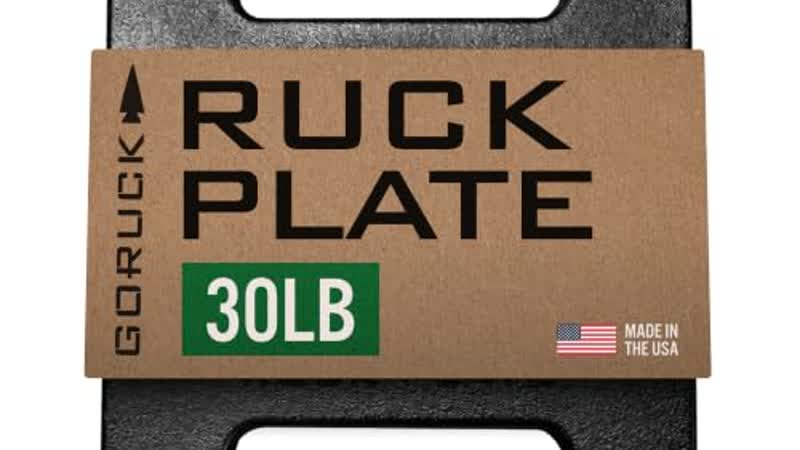
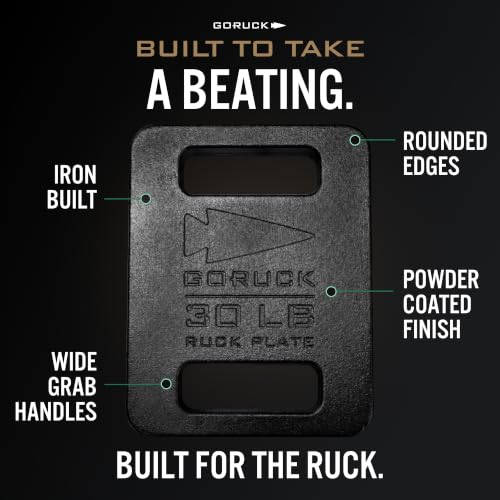
Our pick: GORUCK Ruck Plate 30LB
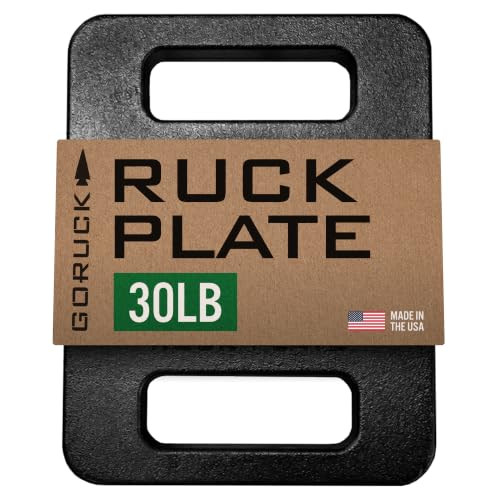
You need this if: you already own a ruck plate carrier or a GORUCK Rucker and want a flat, stable 30 lb plate that will not shift, dent your pack lining, or print painfully into your back.
- Material: cast iron, USA made, powder coated so it will not rust against sweat
- Handles: built-in cut-out handles for carrying it to and from your pack
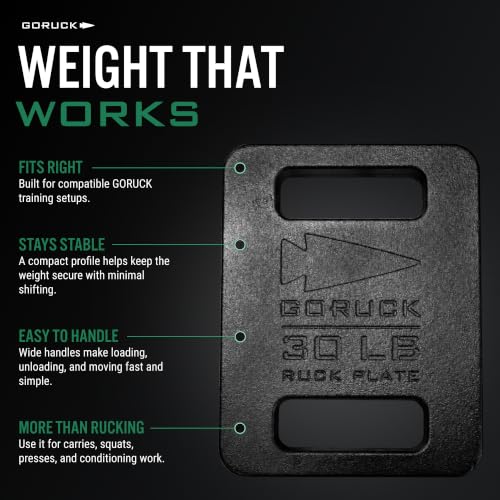
- Fit: sized for GORUCK’s own Rucker pocket and most standard plate carriers
What makes this one worth the money is how little you think about it once you own it. There’s no flexing, no rattling inside the pouch, and no worrying about whether a cheaper plate will crack under repeated drops on pavement. It is designed to be dropped in once and forgotten — which, for a tool you’re supposed to use several times a week, is exactly the kind of reliability worth paying for.
Available in 10, 20, 30 and 45 lb versions, so you can start where you are and move up without replacing your whole setup — a real cost-saver compared to buying a new vest every time you outgrow your current weight.
Check the GORUCK Ruck Plate on Amazon →
Why this one small change makes rucking click
The appeal is not complicated, which is exactly why it works:
- Comfort that lasts the whole walk: a flat plate rides against your back like part of the pack, not a loose weight fighting your stride.
- No more improvising: you are done wrapping bricks in towels or double-bagging sand — it is ready whenever you are.
- Visible, trackable progress: swap in a heavier plate when a workout feels too easy, instead of guessing how many books you added.
- One purchase, years of use: rucking, loaded carries, farmer’s walks, even weighted step-ups at home.

A quick look at a GORUCK plate straight out of the box, including how it sits and fits.
How to choose a ruck plate
Match it to your pack or carrier
Measure the pocket your plate needs to sit in before you buy. GORUCK’s own plates are built for its Rucker pocket, and most plate carriers made for rucking use a similar standard size. A plate that is slightly too big will bow your pack out of shape; one that is too small will shift and slide as you walk.
Pick a weight you can actually start with
A common starting point is 5 to 15% of your body weight, built up slowly. Many new ruckers start around 20 lb and move up only once a few miles feel comfortable at that load. 30 lb plates like our pick suit people who already ruck regularly or who are on the heavier end of that range; if this is your first plate, a 20 lb version is the safer starting point.
Don’t improvise with loose weight
Standard gym plates, books or sandbags can work in a pinch, but they shift inside a pack, create hot spots, and can tear a liner. A purpose-built plate keeps the load flat and close to your back, which is the main reason rucking feels more manageable with the right weight than with a lumpy, unevenly packed bag.
Building up your ruck weight safely
| Week | Suggested approach |
|---|---|
| 1–2 | Start light (around 10–15% of body weight or less) on flat ground, 2–3 miles |
| 3–4 | Add distance before adding weight |
| Ongoing | Increase total load (distance × weight) by no more than about 10% a week |
Stick to that pace and your shoulders, hips and lower back adapt right alongside your cardio — which is exactly why rucking has such a low injury rate compared to running. Rush it, and you will feel it in your lower back before you feel it in your legs. There is no prize for loading up in week one.
Your plate carrier should sit high and snug, with the plate flat against your back, not sagging toward your hips. If your lower back aches rather than your legs and shoulders feeling the work, the plate is riding too low or you have gone up in weight too fast.
Ruck plate vs. weighted vest
A weighted vest spreads weight across your whole torso and suits lighter, faster sessions, bodyweight workouts and walking. A ruck plate in a carrier is built for carrying serious weight over distance: it sits in one flat, stable block low on the back, which most ruckers find more comfortable once the weight goes past about 20 lb. If you already have a vest and want to try true rucking, a plate carrier plus a plate like this one is the natural next step. See our best weighted vests guide if you are deciding between the two.
| Weighted vest | Ruck plate + carrier | |
|---|---|---|
| Best for | Bodyweight training, shorter walks, HIIT | Long-distance rucking, heavy loads, events |
| Comfort past 20 lb | Weight sits high, can bounce | Weight sits flat and low, barely moves |
| Typical weight range | 4–40 lb | 10–60+ lb |
| Upgrade path | Limited once you max the vest | Swap plates as you get stronger |
Cast iron, steel or HDPE: which material actually matters
Most ruck plates on the market use one of three materials, and the differences affect comfort more than you would expect:
- Cast iron (like the GORUCK pick above): dense, affordable, and the industry standard. A powder-coated finish stops it rusting from sweat. The only downside is a slightly sharper edge feel if your carrier pocket is loose.
- Steel plates: similar density to cast iron, often slightly thinner for the same weight, which some people find sits flatter against a narrow pack.
- HDPE (hard plastic) plates: lighter to carry when empty, quieter, and won’t rust, but bulkier for the same weight since plastic is less dense than metal — a trade-off worth knowing before you buy on price alone.
For most people starting out, cast iron offers the best mix of price, durability and a pack-filling profile that doesn’t shift around — which is exactly why it’s the most common choice among experienced ruckers.
Who a ruck plate is for (and who should wait)
A ruck plate makes the most sense if any of this sounds like you:
- You already ruck or hike regularly with a vest or loose weight and want it to feel more stable and comfortable.
- You are training for a rucking event, military selection, or a GORUCK Challenge and need to train with real, carrier-compatible weight.
- You want one piece of equipment that covers rucking, loaded carries and home strength work.
On the other hand, if you have never rucked before, it is worth testing the activity first with a few walks using a weighted backpack or a couple of wrapped dumbbells. Once you know you’ll stick with it — usually after 3–4 walks — a dedicated plate pays for itself fast in comfort and convenience.
Keeping your ruck plate in good shape
A ruck plate is about as low-maintenance as fitness gear gets, but a few habits make it last years longer:
- Wipe it down after sweaty sessions — sweat is salty and will eventually wear through even a powder-coated finish.
- Store it dry. A damp garage or car trunk is the fastest way to introduce rust on cast iron.
- Check your carrier pocket every few months for wear where the plate’s edges make contact.
Common mistakes first-time ruckers make
A few avoidable habits cause most of the discomfort people blame on their gear:
- Going too heavy too soon. A plate that feels fine standing still can wreck your lower back three miles in. Start lighter than you think you need.
- Using the wrong footwear. Rucking adds load to every step, so worn-out running shoes or non-supportive sneakers increase injury risk fast.
- Ignoring posture. Lean slightly forward from the ankles, not the waist, and keep your core braced — slouching under load is how people end up with sore backs instead of strong ones.
- Skipping warm-up and cool-down. Even a five-minute brisk walk before adding the plate makes a noticeable difference in how your joints feel afterward.
Got questions?
Frequently asked questions
How heavy should my first ruck plate be?
Most beginners do well starting around 10 to 20 lb, or roughly 10% of body weight, and adding distance before adding weight.
Will a ruck plate fit any pack?
Not automatically. Check your pack or carrier’s plate pocket dimensions against the plate before buying; most rucking-specific carriers use a similar standard size.
Is cast iron better than foam or rubber plates?
Cast iron is the traditional, durable choice and is what most rucking plates use. A powder-coated finish helps it resist sweat and rust over time.
Can I use a ruck plate for regular strength training too?
Yes. A flat plate works for loaded carries, weighted step-ups, Turkish get-ups and as added resistance in a weight vest-style harness, not just walking.
Will the plate make noise or shift around inside my pack?
A properly sized plate sits snug against the back panel with little room to move. If yours shifts, add a thin pad on either side or size down to your carrier’s exact pocket dimensions.
Can kids or teens use a ruck plate?
Younger or lighter users should stick to much lower weights (often under 10 lb) and shorter distances, and always check with a doctor or coach first — growing joints handle sustained load differently than adult joints.
Do I need a special backpack, or will any bag work?
Any sturdy backpack with a flat back panel and a dedicated laptop-style sleeve can usually hold a plate safely for light rucking, but a purpose-built ruck or plate carrier keeps the weight closer to your spine and is worth it once you’re rucking more than once or twice a week.
Ready to add real weight to your training?
A ruck plate turns a casual walk into real, progressive training — and it is one of the few pieces of fitness gear you will genuinely use for years, not months. Pick your weight, check it fits your carrier, and start building from there.
See more recovery and strength picks in our shop, or browse the full sports gear shop.

We research sports gear for players, coaches and sports parents. We compare specs, check maker information and owner feedback, and name one clear pick for each kind of player. How we pick · Affiliate disclosure