Updated November 14, 2026 · 9 min read
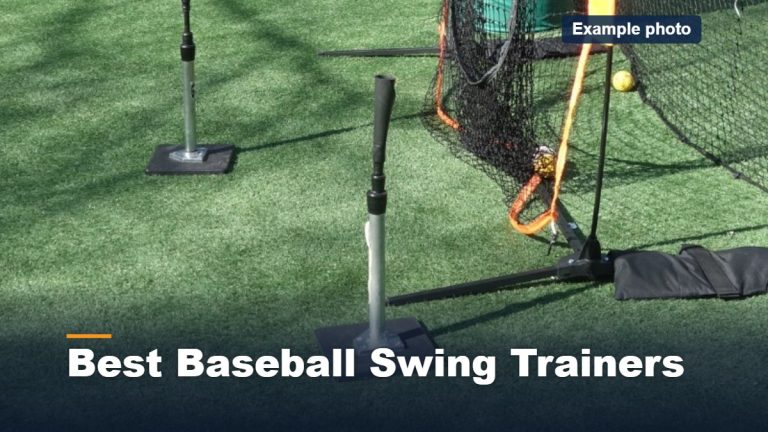
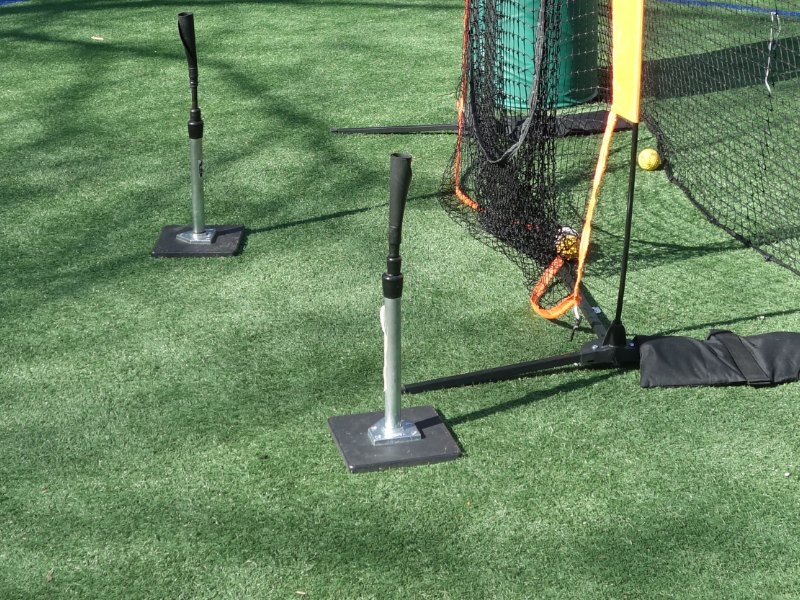
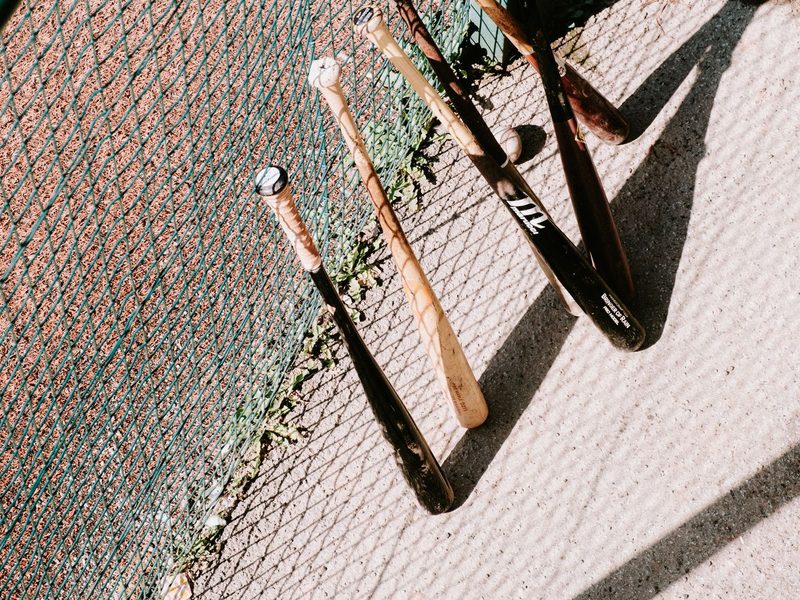
Photos in this guide are example photos of each product type, not the exact item. Check the Amazon listing to see the actual product.
We earn a commission when you buy through our links, at no extra cost to you. How this works.
Short on time? Our picks
Best all-in-one hitting setupPowerNet 5×5 net + tee bundlenet, tee, weighted ballCheck price on Amazon →Best first tee (ages 3 to 6)Franklin Grow-with-Me teeCheck price on Amazon →Youth baseball · 2026
The best baseball training aids for kids, by skill
The right training aid turns 10 minutes in the backyard or garage into real progress. The wrong one ends up in the shed after a week.
This guide picks one aid for each skill a young player needs (hitting off a tee, solo swing reps, swing path, fielding, pitching accuracy) and shows which ones fit each age, from T-ball to travel ball.
Quick answer: the best baseball training aids for kids
- Best all-in-one hitting setupPowerNet 5×5 net + tee bundle · net, tee, weighted ball
- Best first tee (ages 3 to 6)Franklin Grow-with-Me tee
- Best tee for serious hitters (8+)Tanner Tee The Original
- Best solo swing trainerSKLZ Hit-A-Way Youth · no partner needed
- Best for fielding and throwingFranklin Pitchback Rebounder
- Best for pitching accuracy9-hole pitching net · 4 heights
If you buy just one thing: get the PowerNet net and tee bundle. A net plus an adjustable tee is the single most useful setup for a young hitter, because it allows hundreds of swings at home without chasing balls. For players under about 6, start with the Franklin Grow-with-Me tee instead.
Training aids by age
| Age | Focus | Best aids |
|---|---|---|
| 3 to 5 (T-ball) | Hand-eye skills, fun | Grow-with-Me tee, Franklin Pop Rocket |
| 6 to 8 (coach pitch) | Contact, level swing, catching | Net + tee bundle, Pitchback rebounder |
| 9 to 12 (kid pitch) | Swing path, solo reps, pitching | SKLZ Hit-A-Way Youth, Hands Inside Trainer, 9-hole net |
| 12 and up | Quality contact, volume | Tanner Tee, net, practice balls |
Prices change often, so we don’t list them. Each aid links to our full guide for that category if you want more options.
Which training aid does your child actually need?
Match the aid to the skill your child struggles with most, not to what looks fun on the box:
- Misses the ball a lot: more reps off a tee into a net. Contact is built through volume.
- Swings “around” the ball or drops the bat: a swing path aid that attaches to a tee.
- Needs reps but you can’t always play catch: a solo swing trainer for hitting, a rebounder for fielding.
- Wild throws or walks batters: a target pitching net with pockets to aim at.
- Just starting out, or loses interest: keep it playful with a toddler tee or a ball popper.
The best baseball training aids for kids in detail
Hitting
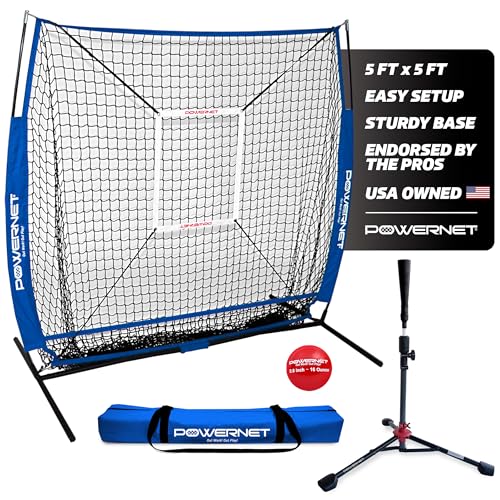
PowerNet 5×5 Baseball Net + Tee Bundle
You need this if: you want one order that lets your child start hitting at home today.
- Includes5×5 net, adjustable tee (27.5 to 44 in), 16 oz weighted ball, strike zone
- FrameSteel base, fiberglass bow poles
- SetupNo tools
Why we recommend it: The adjustable tee covers young kids through teens, the net stops balls in a small space, and the strike zone adds a pitching target, so one purchase covers several skills.
Keep in mind: A 5×5 net is compact, so it suits tee work better than wild soft toss, and durability gets some mixed notes.
Check the PowerNet bundle on Amazon →
More nets: best baseball hitting nets.
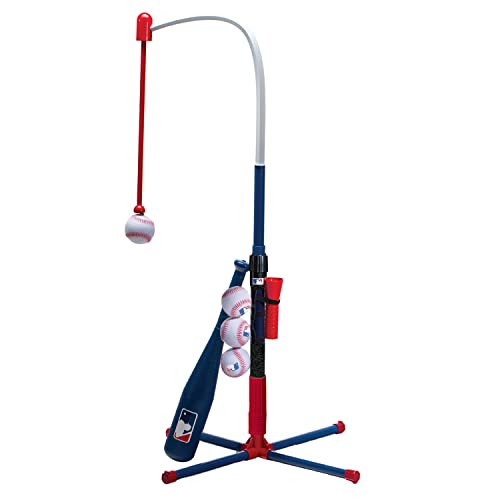
Franklin Sports Grow-with-Me Batting Tee
You need this if: you have a toddler or T-ball beginner and want a safe first tee.
- AgesToddlers to young kids
- HeightAdjustable
- ExtrasUsually comes with balls
- UseBackyard and indoor
Why we recommend it: It is light, adjusts as your child grows and comes ready to play. Soft parts make it safer for indoor play, and it is one of the most popular first tees.
Keep in mind: It is designed for young kids; older players with real bats outgrow it quickly.
Check the Grow-with-Me tee on Amazon →
Full review: Franklin Grow-with-Me tee review.

Tanner Tee The Original
You need this if: your player is about 8 or older and takes hitting seriously.
- StemSteel
- TopFlexible handmade rubber
- UseBaseball and softball
- LevelYouth to pro
Why we recommend it: Its soft top barely grips the ball, so the bat hits the ball, not the tee, which gives honest feedback on contact. It lasts for years.
Keep in mind: It costs more than basic tees, and very young kids don’t need this level yet.
Check the Tanner Tee on Amazon →
More tees: best batting tees.

SKLZ Hit-A-Way Youth Swing Trainer
You need this if: your child wants to hit when nobody is free to pitch or soft toss.
- SetupTwo-piece pole, 3 ground spikes
- AdjustsInside, outside, high, low
- CarryBag included
Why we recommend it: The ball is tethered and spins back after each swing, so kids can take round after round alone. It spikes into the ground and packs away in its bag.
Keep in mind: It needs soft ground for the spikes, and a tethered ball doesn’t teach timing against a pitch.
Check the SKLZ Hit-A-Way Youth on Amazon →
More options: best baseball swing trainers.

Hands Inside Trainer
You need this if: your child drops the barrel or swings around the ball.
- TeachesInside path
- Build85 durometer urethane
- UseRight- or left-handed hitters
Why we recommend it: It attaches to a tee and gives instant feedback when the hands drift away from the body, building the muscle memory of a short, inside swing.
Keep in mind: You need your own tee, and it works best for players about 9 and up who can follow a cue.

Franklin Sports Pop Rocket
You need this if: your child is just starting and needs hitting to feel like a game.
- Includes5 plastic balls, 24 in bat
- ActionPops a ball every 7 seconds
- AgeT-ball players
Why we recommend it: A moving target builds hand-eye skills, and the popping ball keeps young kids engaged far longer than a still tee.
Keep in mind: Older players outgrow it fast.
Check the Pop Rocket on Amazon →
For older kids, see the TBC Toss Popper review.
Fielding and throwing
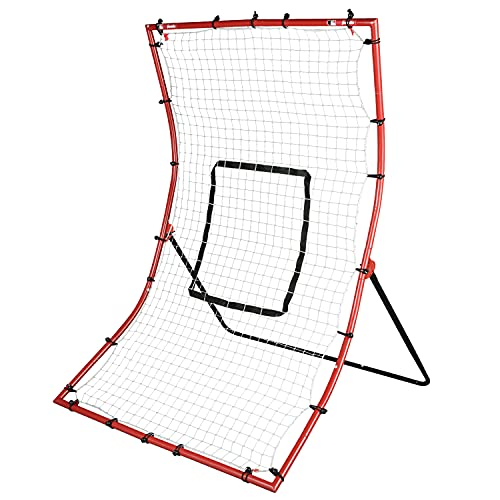
Franklin Sports Youth Pitchback Rebounder
You need this if: you want your child to practise grounders and pop-ups without a partner.
- UseThrowing and fielding
- DesignCurved, adjustable return angle
- FrameFolding steel, ground stakes
Why we recommend it: Kids throw into it and field the return, so every throw is also a fielding rep. Changing the angle switches between grounders and fly balls.
Keep in mind: It is for throwing, not hitting, and durability gets mixed comments.
Pitching

9-Hole Pitching Net with Strike Zone
You need this if: your child pitches and needs to throw strikes to specific spots.
- Targets9 pockets
- FrameThick alloy
- Heights4 adjustable levels
Why we recommend it: Nine pockets turn practice into a game: call the spot, hit it, and the ball drops into the pocket. Four height settings match the strike zone to the batter size.
Keep in mind: It is for pitching only, not hitting, and young pitchers should follow pitch-count limits.
Check the 9-hole pitching net on Amazon →
More nets: best pitching nets with strike zone. Count pitches with our pitch count calculator.
Balls for practice

Franklin Sports Indestruct-A-Ball
You need this if: you want safe, durable balls for daily tee work and soft toss at home.
- MaterialDurable plastic
- UseTee, soft toss, hitting nets
- SizesBaseball and softball versions
Why we recommend it: They survive lots of hitting without cracking and fly a short, predictable distance, so you can practise in a yard without chasing balls down the street.
Keep in mind: They don’t feel like a real baseball off the bat; use them for reps and form.
Check the Indestruct-A-Ball on Amazon →
More: best practice baseballs.
How to use training aids so kids actually improve
- Short and often beats long and rare. Ten to fifteen focused minutes, three or four times a week, builds more skill than one long session on Saturday.
- One fix at a time. Pick one goal per session (level swing, hands inside, throwing to the chest) and use the aid that targets it.
- Make it a game. Count line drives off the tee, call pitching pockets, or time how many grounders they field in a minute.
- Protect young arms. Limit throwing volume, take rest days, and follow your league’s pitch-count rules.
- Use the right size bat and glove. A bat that’s too heavy ruins swing mechanics; see what size bat for my child and our glove size finder.
Are baseball training aids good gifts?
Yes. A tee, net or rebounder is a gift kids use all year, and it suits birthdays and the holidays. Pair it with practice balls for a complete present. For more ideas, see our gifts for baseball players.
Baseball practice guides
Hitting
- Training aids for kids (this guide)
- Best batting tees
- Batting tees for kids
- Swing trainers
- Hitting nets
Pitching and fielding
Got questions?
Frequently asked questions
What are the best baseball training aids for kids?
A batting tee with a net is the most useful starting point. Add a solo swing trainer for hitting reps, a rebounder for fielding and a target net for pitching as your child grows.
What is the best baseball training aid for hitting?
A good tee and net, because they allow hundreds of swings at home. The PowerNet bundle includes both; serious hitters 8 and up benefit from a Tanner Tee.
What training aids help a 6 year old with baseball?
A tee and plastic balls, a ball popper to make hitting a game, and a rebounder for catching practice. Keep sessions short and fun.
How can my child practise baseball alone?
Use a tethered swing trainer like the SKLZ Hit-A-Way for hitting, a tee and net, and a pitchback rebounder for throwing and fielding.
Do swing trainers really work for kids?
They help when they target a specific problem, like a hands-inside trainer for a long swing, and when kids use them regularly. They don’t replace live pitching or coaching.
What is the best way to improve pitching accuracy at home?
Throw at a target net with pockets, call your spot before each pitch, and keep pitch counts within league limits.
Are weighted balls safe for kids?
Weighted balls for hitting off a tee are common, but weighted throwing programs are best left to older players with coaching. When in doubt, ask your child’s coach.
What age should kids start using a batting tee?
As young as 2 or 3 with a light toddler tee and soft balls. Move to a sturdier adjustable tee around 6 to 8.
How we chose
We picked one training aid for each core youth baseball skill, drawing on the products already covered in our tee, swing trainer, net, pitching net and practice ball guides. We compared listing specs, age suitability and common buyer complaints. We have not tested these aids in person, no brand paid for placement, and prices change often. Read our full method.

We research sports gear for players, coaches and sports parents. We compare specs, check maker information and owner feedback, and name one clear pick for each kind of player. How we pick · Affiliate disclosure